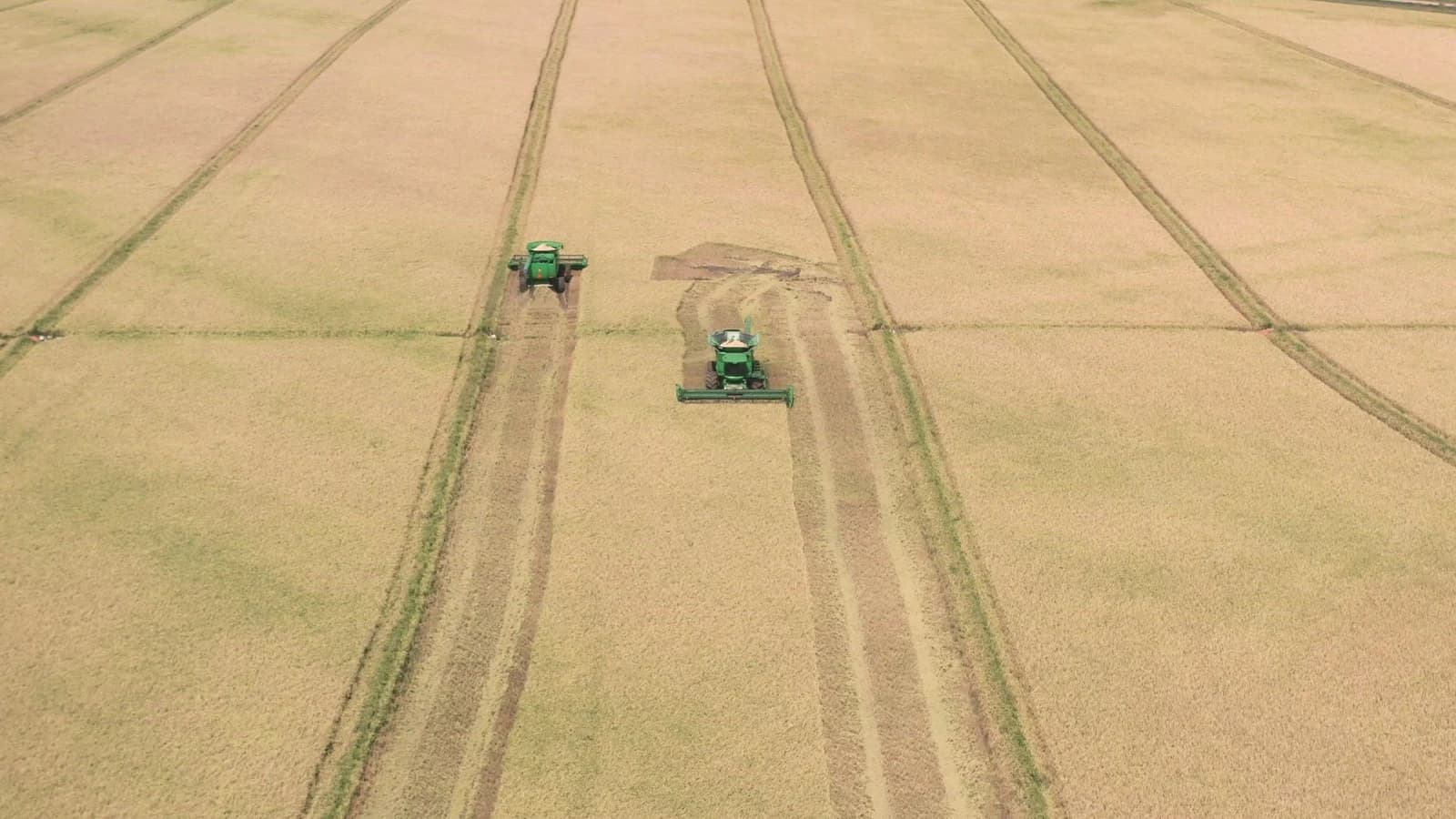
Panama’s rice prices are expected to stay unchanged after the recent earthquake, with growers saying saltwater damage in Tonosí was limited to just 6 to 7 hectares and will not disrupt national supply.
Panama Rice Prices Hold After Earthquake Damage
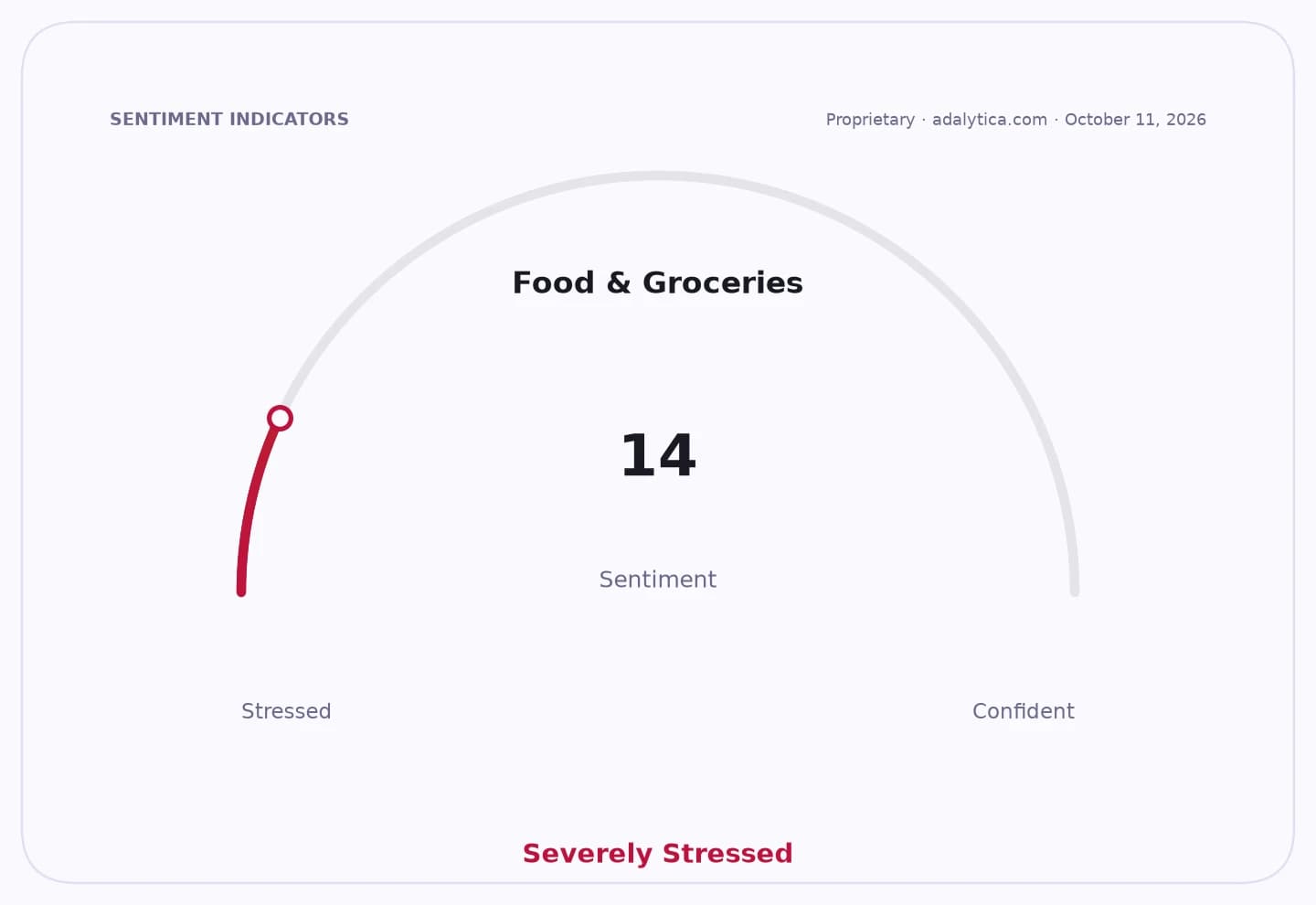
Food & Groceries
The country’s rice producers, led by the Federation of Rice and Grain Producers of Panama, said a technical review from Darién to Chiriquí found fields in good condition and enough grain to cover domestic demand. That matters for consumers because rice is a staple food, and even small crop losses can feed into broader food inflation when supply is tight.
Sentiment Indicators
Omar Spiegel, president of Fapagrap, said the salinization in Tonosí affected only a tiny fraction of the 6,300 hectares planted in the valley. The Instituto de Seguro Agropecuario and the Ministry of Agricultural Development have begun assessments to compensate the affected plot.
The bigger risk now is logistics. Producers say cracks and partial collapses in key bridges are slowing deliveries to mills just as the harvest enters its peak in the next 10 to 15 days, when between 600,000 and 1.2 million quintals must be moved from southern Veraguas and Tonosí.
At the most critical crossing on the Pedasí-Tonosí route, the main bridge suffered damage to one base and a crack in a primary beam, forcing load limits of 10 tons, or about 200 quintals per truck. Spiegel said the country lacks enough small trucks to haul that volume efficiently, raising the risk that rice could spoil in the field if heavier routes are not restored quickly.
Government officials, including Canal Affairs Minister and presidential goals secretary José Ramón Icaza and Agricultural Development Minister Roberto Linares, have agreed to carry out temporary repairs this week. For investors and food suppliers, the message is that Panama’s rice crop appears intact, but transport bottlenecks could still squeeze margins, delay milling and create localized supply disruptions if infrastructure work slips.
| Entity | Gains | Losses |
|---|---|---|
| Panama consumers | ▲Stable rice prices | ▼Little immediate relief risk |
| Rice producers | ▲Crop losses remain minimal | ▼Harvest logistics remain costly |
| Mills and transporters | ▲More supply to process | ▼Bridge limits and delays |
| Government agencies | ▲Contain inflation risk | ▼Pressure to fix roads fast |