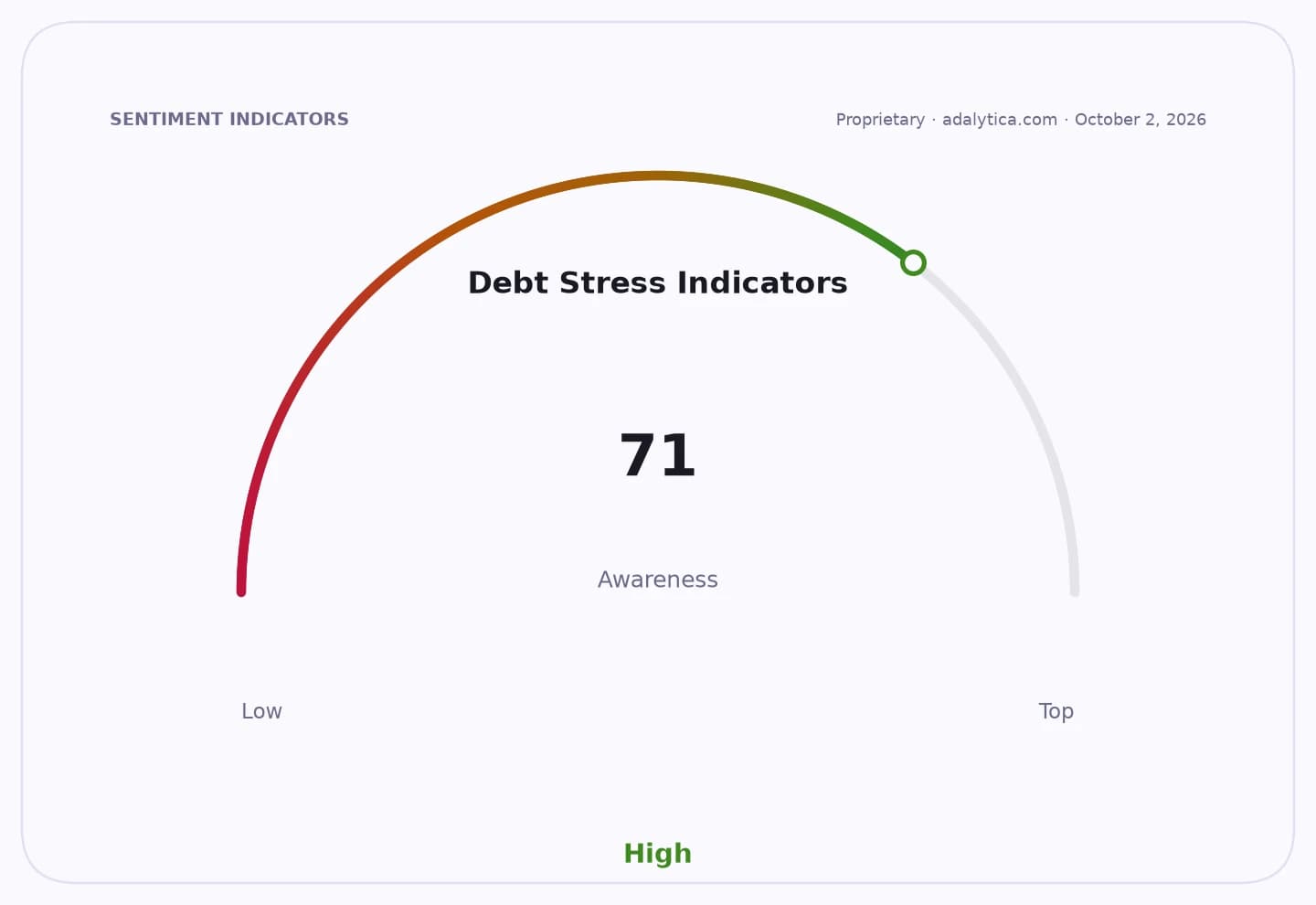
Beşiktaş said its total debt had climbed to 27.52 billion lira, underscoring how Turkey’s biggest football clubs remain weighed down by leverage even as match-day revenues, sponsorships and player trading struggle to keep pace with financing costs.
Beşiktaş Debt Reaches 27.52 Billion Lira
The figure, disclosed at the club’s general assembly by audit board member Özgür Şentürk, puts a fresh spotlight on the economics of Turkish sport, where decades of borrowing have turned elite teams into highly indebted consumer-facing businesses with volatile cash flows. For Beşiktaş, the scale of the liability matters less as a headline number than as a constraint on future spending: more debt means less room to fund transfers, infrastructure and wage bills without relying on asset sales, refinancing or fresh member support.
The club did not break out the debt composition in the cited disclosure, but the size of the obligation alone suggests that debt service remains a structural issue rather than a temporary balance-sheet problem. In an environment of elevated local interest rates and a weak lira, refinancing risk is as important as operating performance. That leaves the club exposed if football results deteriorate, European competition revenues fall short, or player sales fail to deliver enough cash to reduce leverage.
For investors and creditors, the announcement reinforces a familiar pattern across Turkish football: brand value and fan loyalty support commercial upside, but the financial base is fragile. Listed sports clubs in Turkey tend to trade more on sentiment, results and capital-raising expectations than on sustainable earnings power. Heavy indebtedness can keep pressure on equity value by increasing dilution risk, limiting dividend prospects and forcing management to prioritize survival over growth.
The broader significance extends beyond Beşiktaş. Galatasaray, Fenerbahçe and other Turkish clubs have also faced persistent debt burdens, making the sector a case study in how sporting prestige can mask balance-sheet weakness. Unless clubs can generate more stable hard-currency income from broadcasting, sponsorship and player development, the leverage cycle is likely to continue.
For Beşiktaş, the key question now is whether it can turn sporting momentum into financial repair. Without sustained cash generation, the club’s debt load will continue to shape every strategic decision, from transfer policy to refinancing.
| Entity | Gains | Losses |
|---|---|---|
| Beşiktaş fans | ▲On-field ambition if spending continues | ▼Financial flexibility |
| Beşiktaş management | ▲Short-term access to funding | ▼Balance-sheet headroom |
| Creditors | ▲Ongoing interest income | ▼Higher refinancing risk |
| Rival Turkish clubs | ▲Benchmark vs. Beşiktaş pressure | ▼None directly |