Europe’s weakest corporate borrowers are running out of time as borrowing costs climb back up, turning a long-delayed debt problem into a nearer-term refinancing test for names that include Lipton tea, Legoland, Aston Martin and Patrick Drahi’s Altice empire.
Europe CCC Borrowers Face Refinancing Pressure
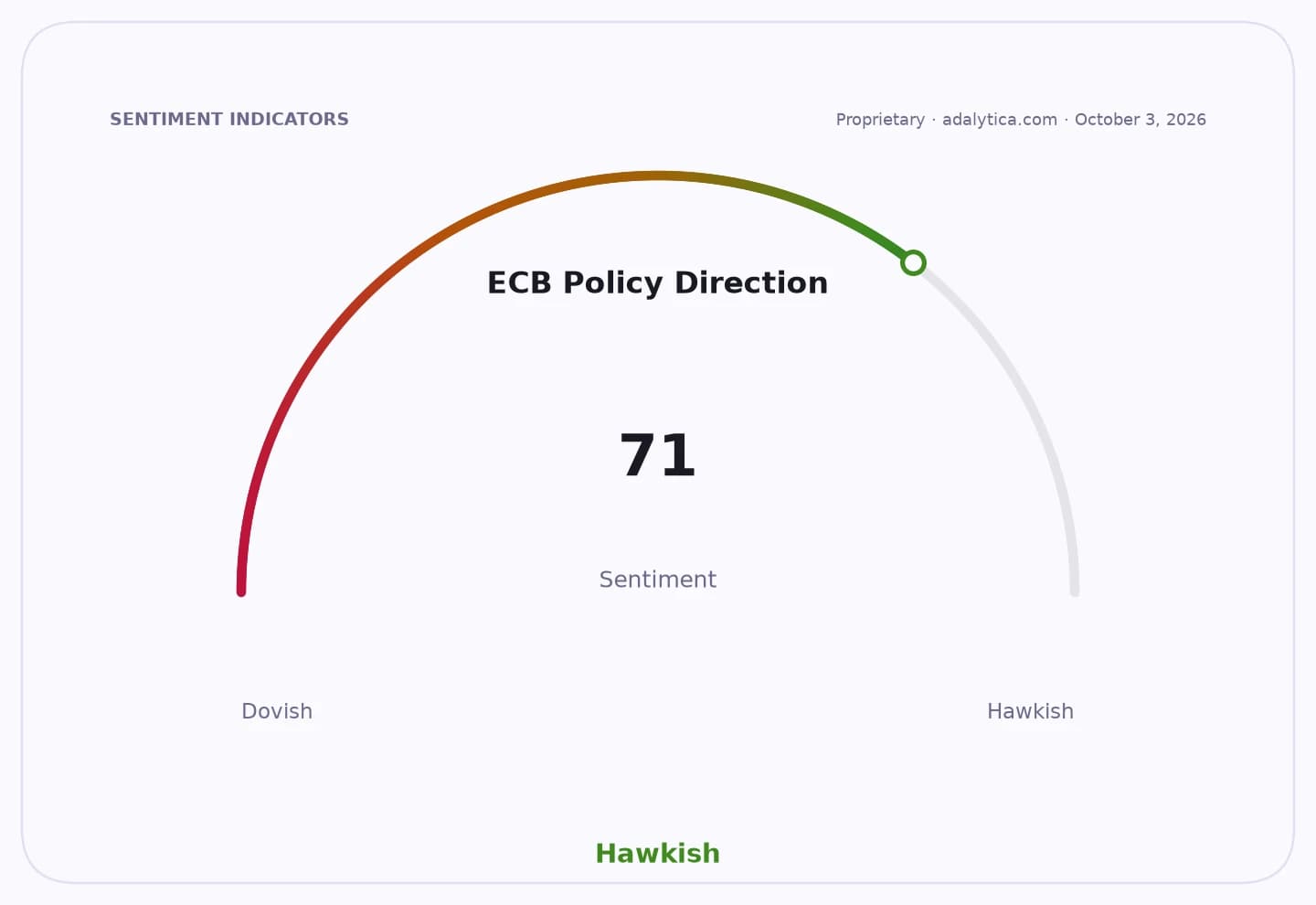
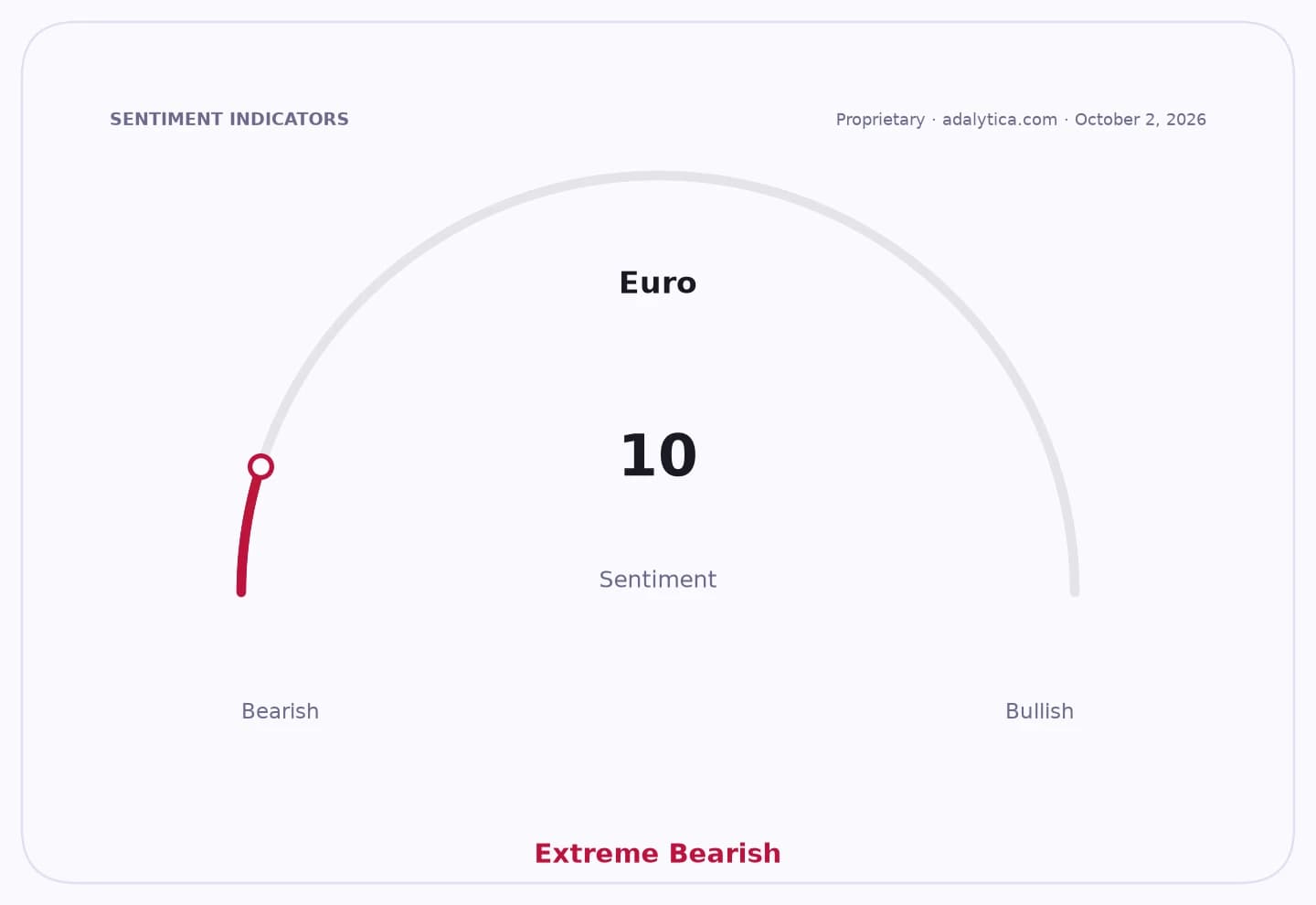
The significance is less about Europe’s broader corporate sector than about the thin slice of highly leveraged companies that gorged on cheap money when rates were near zero. For them, higher central bank rates are no longer an abstract macro backdrop. They are a cash-flow event, a refinancing event and, in some cases, a restructuring event.
Sentiment IndicatorsⓘProprietary · adalytica.com · October 3, 2026
This is a snapshot — live sentiment, awareness and momentum for 130+ markets update continuously in the dashboard.Open AlphaPulse
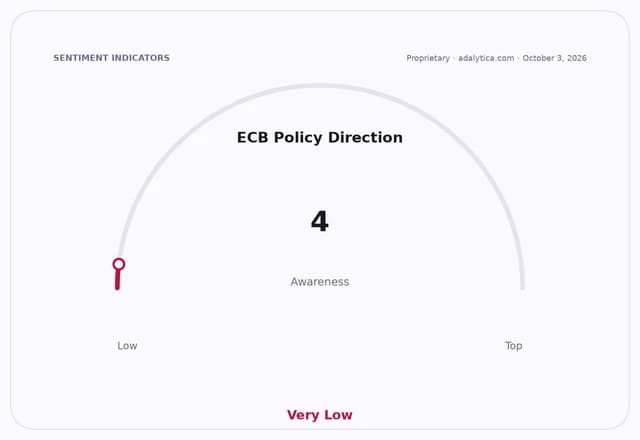
The European Central Bank has reversed course after cutting rates earlier in 2025, lifting its deposit facility rate to 2.5% in a second increase this month after the first in June. The Federal Reserve has also tightened again, with U.S. rates now in the 3.75%-4% range. For investment-grade issuers, that is manageable. For CCC-rated borrowers, or those hovering close to that level, each step up in funding costs can determine whether a maturity gets rolled or a lender walks away.
That is why the next wave of refinancing matters. In Europe’s collateralized loan obligation market — a major buyer of leveraged corporate loans — S&P Global Ratings said CLO portfolios held 5.3 billion euros of CCC-rated loans due in 2028 at the end of June, up from 3.5 billion euros at the end of 2025. Six of the 10 biggest CCC borrowers identified by S&P have debt due in 2027 or 2028, putting the stress point squarely in front of investors.
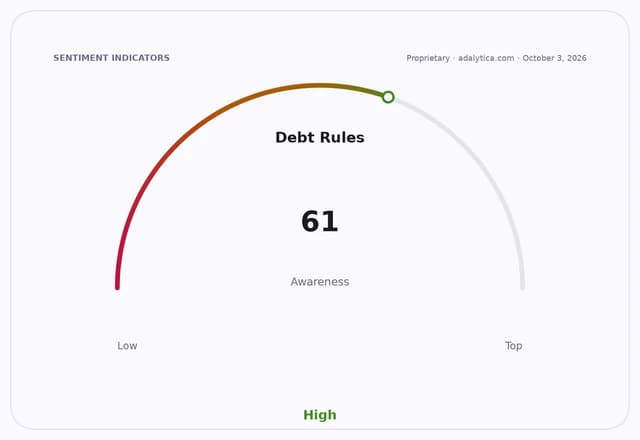
The list reads like a catalogue of familiar consumer and industrial brands, but the balance sheets tell a different story. Lipton Teas and Infusions, owned by CVC, has debt trading at yields above 20% and a near-2029 maturity. Emeria, the Paris-based residential property manager, has the largest CLO exposure on the list at about 1.1 billion euros and an obligation maturing in 2027; one of its euro bonds was quoted around 71 cents on the euro late last month, implying a yield near 29%. Altice International, part of Drahi’s telecom group, has the weakest recovery profile in the sample and a bond trading around 56 cents, implying a yield above 60%. Aston Martin, despite a 38% rise in first-half revenue, is still burning cash and was forced to borrow 550 million pounds in July on costly terms that left its existing secured debt downgraded.
The market is distinguishing sharply between borrowers that can absorb higher rates and those that cannot. Merlin Entertainments, owner of Legoland and Madame Tussauds, has already seen some easing after securing new financing for 2027 maturities, even though its debt still trades at distressed levels. Arxada and Colisée have already turned to restructuring or maturity extensions. Those are not isolated fixes; they are signs that the capital structure, not just the operating business, has become the problem.
For investors, the message is twofold. In the broad European high-yield market, the pain is concentrated rather than systemic: CCC bonds are only about 4.3% of the region’s high-yield universe, and the average European junk bond still trades close to expensive five-year highs. But at the weakest end of the market, yields of 30% to 60% are no longer pricing temporary illiquidity. They are pricing recovery values, covenant leverage and the possibility of balance-sheet surgery.
That creates a clear divide for credit investors. Holders of stronger high-yield paper may still benefit from a relatively resilient market and scarce spread product. Holders of the weakest loans and bonds face a slower squeeze as maturities approach and refinancing options narrow. If rates stay elevated, the pressure will work its way through the system with delay — but it will keep working. The companies that borrowed most aggressively when money was cheap are now the ones most exposed to the cost of capital normalizing.
| Entity | Gains | Losses |
|---|---|---|
| Stronger European high-yield issuers | ▲Access to funding at manageable spreads | ▼Less attention from yield-hungry buyers |
| CCC-rated borrowers like Altice, Emeria, Aston Martin | ▲More time if maturities are extended | ▼Higher refinancing costs and restructuring risk |
| CLO investors and lenders | ▲Higher yields on distressed debt | ▼Rising default and recovery risk |
| Equity holders in leveraged groups | ▲Potential upside if refinancing succeeds | ▼Dilution or loss in restructurings |