BHP is facing a class action that could force it to pay millions of dollars over a seemingly mundane issue with outsized implications: whether workers were properly asked if they wanted to work on public holidays.
BHP class action over public holiday rostering
The case matters because it reaches far beyond one miner. If the Federal Court finds BHP’s labour-hire arm breached workplace rules by rostering thousands of employees without seeking their consent, it could sharpen enforcement of a requirement that applies to employers across Australia and expose companies to back-pay claims, penalties and legal costs tied to holiday rostering practices.
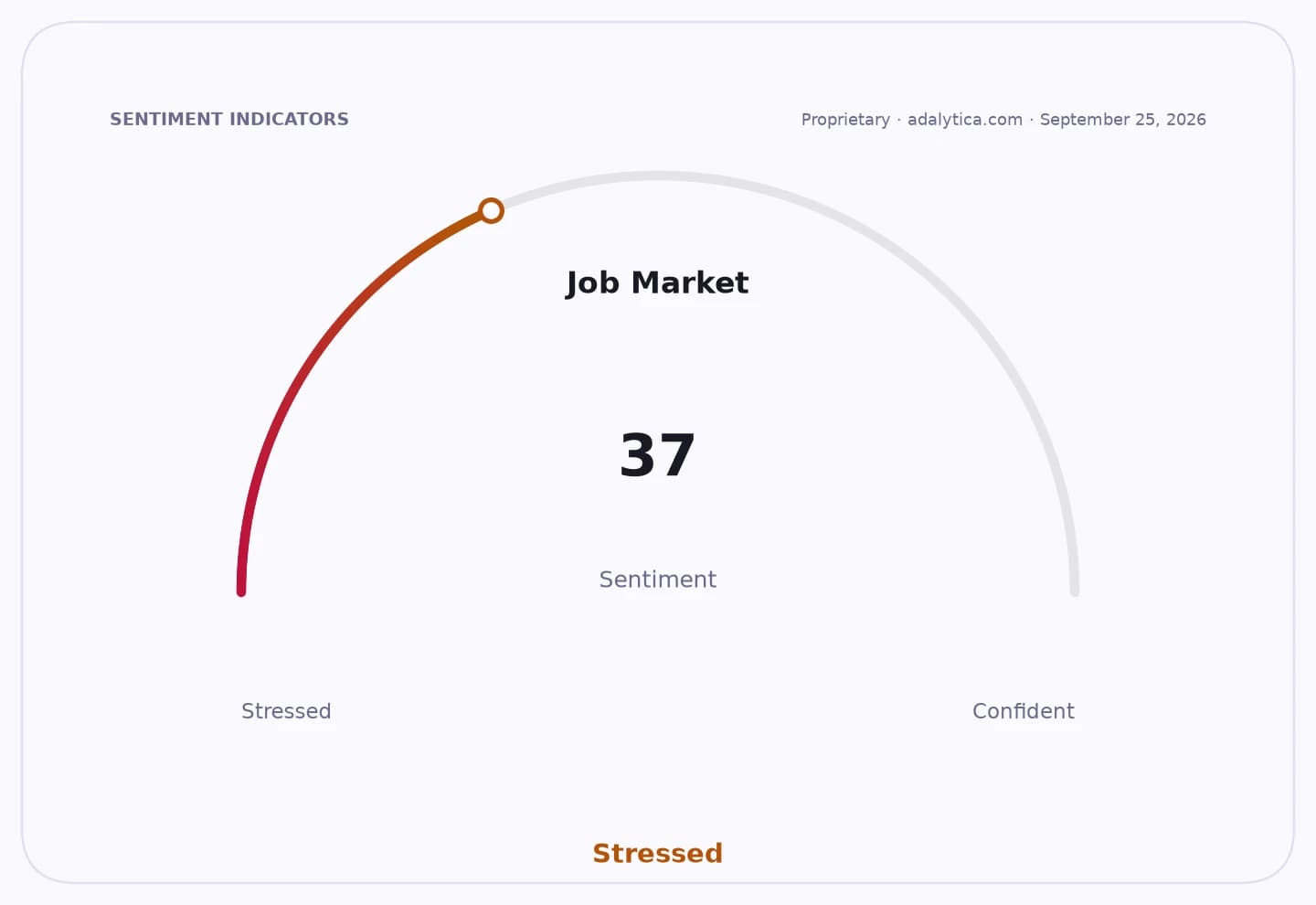
Sentiment IndicatorsⓘProprietary · adalytica.com · September 12, 2026
This is a snapshot — live sentiment, awareness and momentum for 130+ markets update continuously in the dashboard.Open AlphaPulse
The Mining and Energy Union is funding the action on behalf of up to 7,000 production and maintenance workers at BHP’s Operations Services unit, covering the period from the end of 2019 to March 2023. For BHP, the financial hit may be measured in the millions, but the strategic risk is broader: a ruling against the miner could embolden unions to test similar arrangements across resources, logistics, manufacturing and other shift-based industries where public-holiday staffing is routine.
That makes this more than a workplace dispute. It is a test case for how strictly employers must handle consent around holiday work, and it lands at a time when labour costs remain sticky and industrial relations risk is already elevated. BHP shares have been volatile, but the stock has also been trading well above its long-term technical trend, with the 200-day moving average still far below the current price, suggesting investors have been focused on iron ore and capital returns rather than legal overhangs. A class action that probes wage compliance and roster design is a reminder that governance and labour discipline can move the needle even at a blue-chip miner.
The economics are straightforward. Holiday pay disputes can snowball quickly when applied across a large workforce over several years. If the court accepts the union’s case, the payout could include underpayments, interest and associated legal exposure, while the precedent could force a wider rethink of rostering systems that companies often treat as administrative detail. For employers, the message is clear: compliance failures in shift scheduling are not just industrial relations noise, but balance-sheet risks.
For investors, the immediate question is not whether BHP can absorb the cost — it can — but whether the case becomes a template for broader claims against large employers with complex labour-hire structures. That is where the asymmetry lies. The downside for BHP is manageable on a cash basis, but the upside for claimants and unions is the possibility of a finding that lifts settlement pressure across an entire sector.
If the court leans toward the union, expect more scrutiny of holiday rosters, labour-hire arrangements and payroll systems at employers that rely on continuous operations. If it sides with BHP, the decision may still leave companies paying closer attention to consent procedures to avoid becoming the next test case. Either way, the market should treat this as a warning shot: in a high-cost labour environment, industrial compliance is becoming a capital issue.
| Entity | Gains | Losses |
|---|---|---|
| BHP workers | ▲Back pay claims | ▼Disputed rostering practices |
| BHP | ▲Legal clarity if it wins | ▼Millions in potential payouts |
| Mining and Energy Union | ▲Test-case leverage | ▼If court rejects claim |
| Other employers | ▲Clearer compliance rules | ▼Higher legal and payroll scrutiny |