Bitcoin is back above $78,000, and the move matters less as a price pop than as confirmation that the market is still rewarding the asset’s original superpower: a monetary network with no central gatekeeper. That is the real investment story here. The payments use case is moving from slogan to operating reality, and the winners are not just holders of Bitcoin itself but the infrastructure names that sit on top of a broadening crypto economy.
Bitcoin Above $78,000 Lifts Crypto Payment Plays

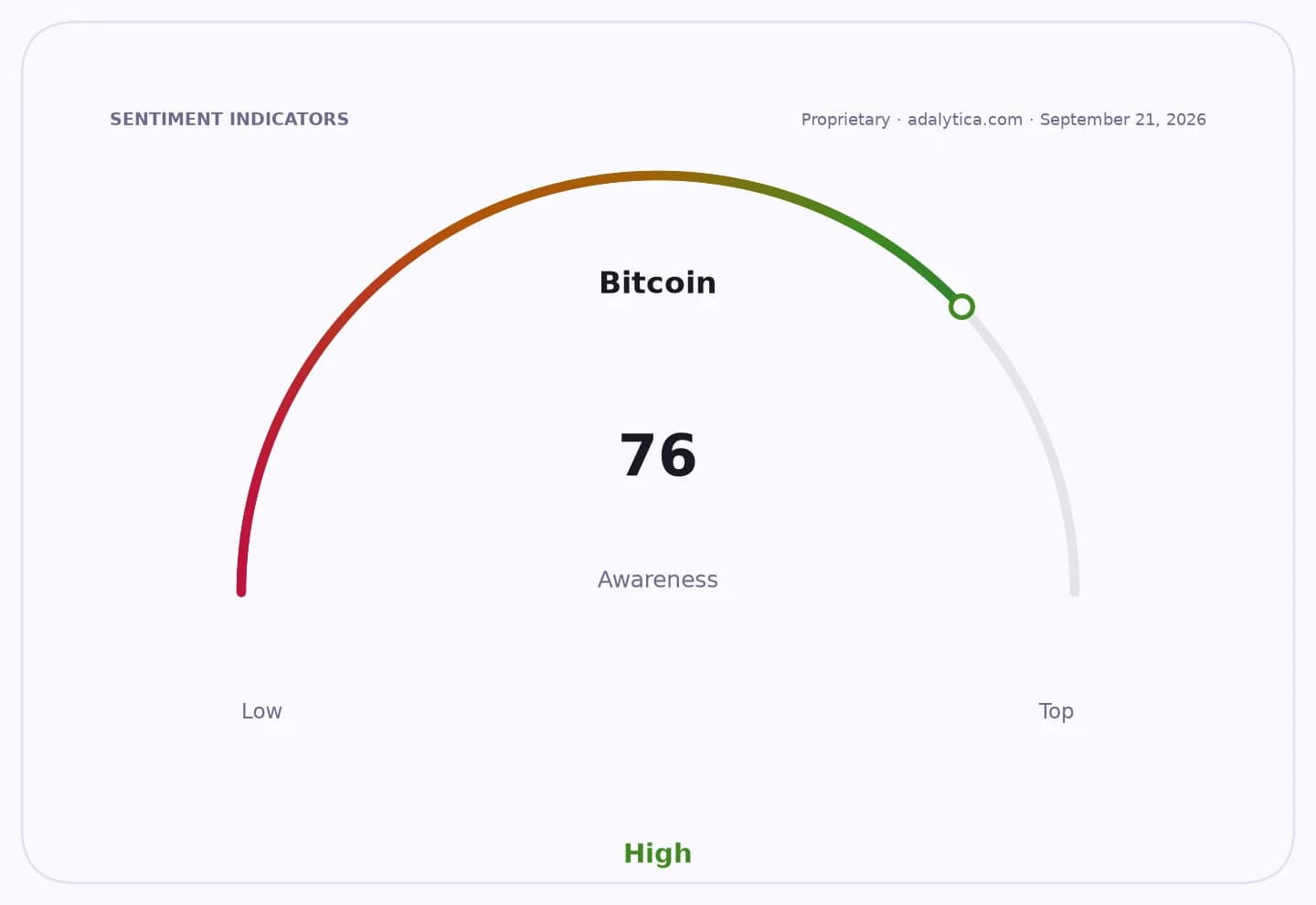
The latest trading data show Bitcoin at $78,873 on Sept. 1, with a 50-day moving average around $67,584 and a 200-day average near $69,427, a technical backdrop that points to a powerful trend still intact despite volatility. RSI readings above 80 indicate the market is stretched, but that has not stopped the advance. More importantly, the 30-day sentiment gauge from Adalytica has improved sharply even as short-term awareness has cooled, a sign that money is still rotating back into crypto on stronger conviction, not just headlines.
Sentiment IndicatorsⓘProprietary · adalytica.com · September 1, 2026
This is a snapshot — live sentiment, awareness and momentum for 130+ markets update continuously in the dashboard.Open AlphaPulse

For investors, that matters because Bitcoin’s strength is pulling capital back toward the entire digital-payments stack. If Bitcoin keeps behaving like a reserve asset and settlement rail rather than a purely speculative token, the market has to reprice the beneficiaries: exchanges, custody providers, wallet operators, stablecoin rails and payment processors with crypto exposure. Coinbase, the most obvious public-market lever, becomes more than a trading proxy in that scenario. It becomes a picks-and-shovels play on adoption, fee growth and transaction volume.
Ethereum’s rise toward $2,476 reinforces the same thesis from a different angle. If Bitcoin is the hard-money layer, Ethereum is still the programmable commerce layer, and that combination is exactly what makes crypto payments more investable than the market often admits. The sector’s long-running fraud problems and regulatory overhang remain real, but they also explain why institutions have been slow to commit. Every step toward clearer rules and cleaner rails increases the value of the compliant players and raises the hurdle for fraud-driven competitors.
That is why the broader payments industry should not be ignored here. Visa and Mastercard remain dominant, but crypto is no longer just a threat narrative; it is an additional transaction lane, especially for cross-border transfers and faster settlement. PayPal’s crypto disclosures in its latest filings underscore how mainstream payment firms are already embedding digital assets into their product set. The market underestimates how quickly those optionality streams can compound once consumer and merchant adoption stops being niche.
The immediate trade is not to chase the most speculative token names. It is to own the infrastructure that monetizes volume, compliance and settlement as crypto payments scale. Bitcoin’s latest move says the network effect is alive. If that continues, the next leg belongs to the businesses that make the network usable.
| Entity | Gains | Losses |
|---|---|---|
| Bitcoin holders | ▲Store-of-value demand | ▼Short sellers |
| Coinbase | ▲Trading and custody volume | ▼Standalone skeptics |
| Visa/Mastercard | ▲Crypto-linked payment flows | ▼Cash-only rails |
| PayPal | ▲Optionality in digital payments | ▼Slow adopters |