Bitcoin is drawing a modest bid even as a Singapore fraud boss pleads guilty to stealing 4,100 BTC, a case that underscores how custody lapses and social-engineering attacks remain one of the biggest hidden risks in crypto.
Bitcoin rises as Singapore fraud case highlights custody risk
The world’s largest cryptocurrency was trading around $79,254, up 1.05% on the day, while the broader digital-asset market added 1.5% to about $2.71 trillion. Ethereum rose 1.78% to roughly $2,520, with XRP, Solana and Tron also advancing. But the more important story for investors is not the day’s green screens — it is the reminder that bitcoin’s long-term adoption still depends on security, trust and institutional flow.
Sentiment IndicatorsⓘProprietary · adalytica.com · September 10, 2026
This is a snapshot — live sentiment, awareness and momentum for 130+ markets update continuously in the dashboard.Open AlphaPulse
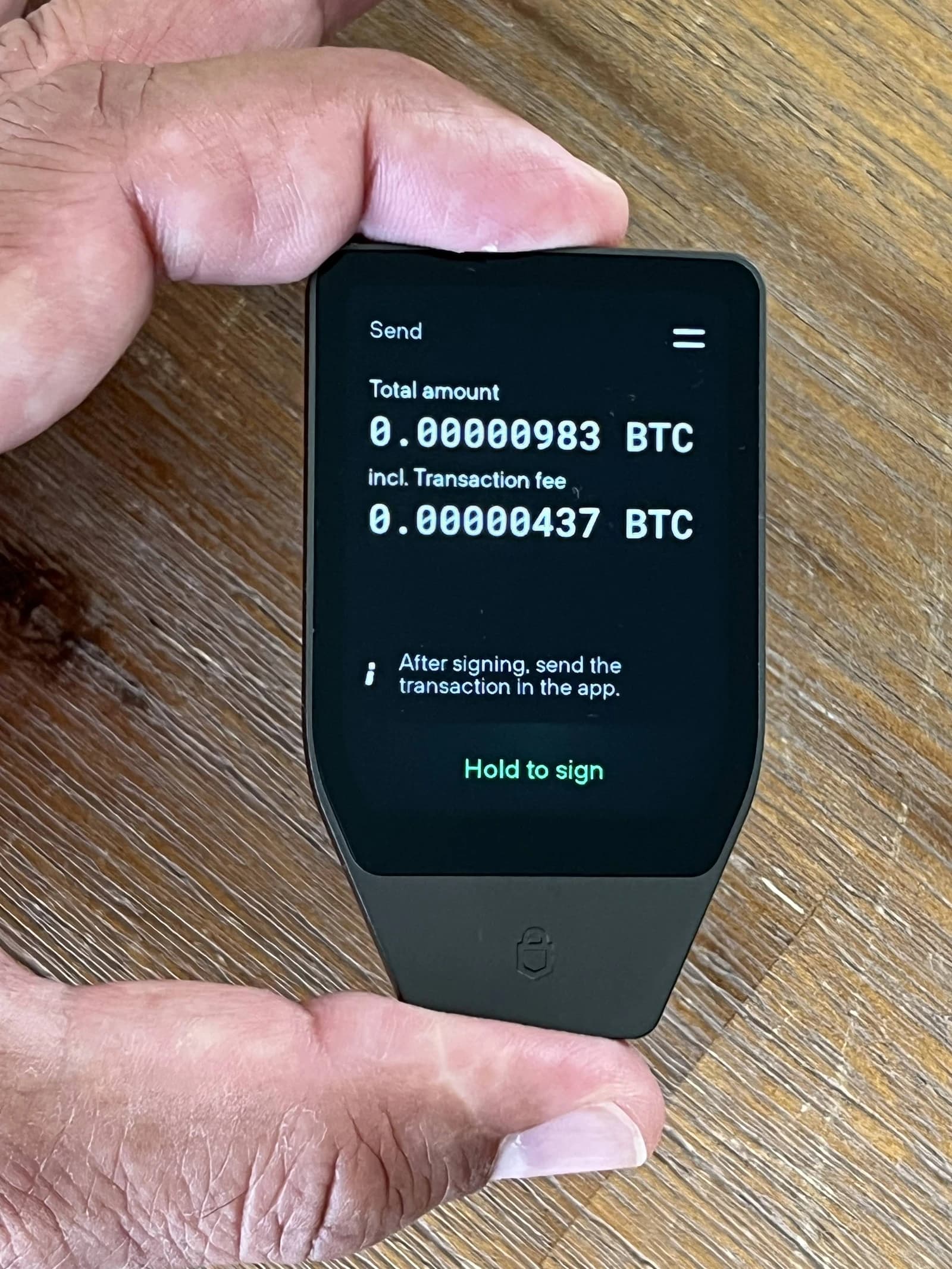
Malone Lam, a Singapore citizen, pleaded guilty on Sept. 8 in a US case tied to a cross-border fraud and money-laundering scheme that prosecutors say began with the theft of more than 4,100 bitcoin from a victim in August 2024. Investigators said the group impersonated Google and Gemini support staff, tricked the target into resetting two-factor authentication and used screen-sharing software to expose private keys. Authorities have since widened the case, adding 12 defendants and linking it to more than $263 million in stolen crypto.
That matters economically because crypto remains a market where a single breach can vaporize real capital at scale, pressure liquidity, and keep risk premiums elevated even when prices rally. It also matters for bitcoin specifically because every high-profile theft reinforces the same tension at the heart of the asset class: demand is becoming more institutional, but operational risk is still decidedly retail-era.
The market is trying to look through that danger. Bitcoin exchange-traded funds remain the key marginal buyer, and that is why flow data will matter more than headlines in the next few sessions. If ETF inflows continue while short-term rates stay high, it would show that crypto demand is decoupling from the old macro playbook and leaning on structural allocation rather than speculation alone.
Technically, bitcoin has been holding above both its 50-day and 200-day moving averages in the latest data, even after a pullback from recent highs. But sentiment is far weaker than price action suggests. Adalytica’s Bitcoin Fear & Greed Index shows extreme fear, with sentiment at 2, a sharp drop from a week ago. That kind of disconnect is where asymmetric setups often appear: weak positioning, resilient spot demand and a narrative market that has not yet fully priced in the next catalyst.
For investors, the takeaway is that the fraud case is not a reason to fade bitcoin — it is a reminder to own the infrastructure trade around it. Exchanges with scale, custodians with institutional-grade controls, and ETF-adjacent liquidity providers stand to benefit if capital keeps migrating into regulated wrappers. The flip side is that smaller platforms and weak-security venues remain exposed whenever a major theft returns crypto’s trust deficit to the front page.
In the near term, watch whether bitcoin ETF inflows hold up, whether risk assets can absorb geopolitical pressure from the Saudi oil attacks, and whether bitcoin can stabilize above the high-$70,000 range. If it does, the guilty plea will fade into the background and the bigger trend will reassert itself: crypto is becoming more financialized, but the winners will be the companies selling security, custody and access — not the platforms that treat them as afterthoughts.
| Entity | Gains | Losses |
|---|---|---|
| Bitcoin ETF issuers | ▲More inflows | ▼More scrutiny |
| Major exchanges/custodians | ▲Demand for security | ▼Reputational risk |
| Security-focused crypto firms | ▲Higher demand | ▼— |
| Weak-security platforms | ▲— | ▼Trust premium, users |