Bitcoin slipped back below $80,000 as traders dialed back expectations for aggressive Federal Reserve easing, oil prices jumped on Middle East tensions and a major security incident in a Bitcoin-linked settlement network added to the pressure.
Bitcoin Falls Below $80,000 on Fed and Oil Jitters
The cryptocurrency was last down about 1.7% at $78,973.45, after briefly trading below the key level, with the move coming as markets reassessed the odds of a September rate cut following stronger-than-expected US payrolls data. Employers added 162,000 jobs in August, nearly three times economists’ forecasts, while the unemployment rate held at 4.1%, a combination that tends to support the dollar and Treasury yields and reduce demand for risk assets such as Bitcoin.
Sentiment IndicatorsⓘProprietary · adalytica.com · September 7, 2026
This is a snapshot — live sentiment, awareness and momentum for 130+ markets update continuously in the dashboard.Open AlphaPulse
The backdrop matters because Bitcoin has increasingly traded like a macro asset rather than a pure alternative currency. Higher-for-longer rates lift the appeal of yield-bearing assets and typically weigh on non-income-producing holdings, while the recent bounce in Brent crude toward $97 a barrel revived inflation concerns and kept investors wary ahead of Thursday’s producer-price data and Friday’s consumer-price report.
The move lower also came alongside a fresh crypto-specific shock. Liquid Network, a Bitcoin-focused settlement system used by exchanges, said about 4,000 BTC worth roughly $320 million were withdrawn from a federated wallet, prompting it to pause new transactions and leading exchanges to temporarily suspend LBTC deposits and withdrawals. While the group calling itself “white hat hackers” said it was prepared to return most of the bitcoin after the flaw is fixed, the incident fed into a broader loss of confidence at a fragile point for the market.
Institutional demand has so far offered some support, with recent bitcoin ETF inflows totaling about $770 million, but that has not been enough to offset the macro drag. Bitcoin’s slide also hit related names, including MicroStrategy and Coinbase, as investors trimmed exposure to the wider crypto trade.
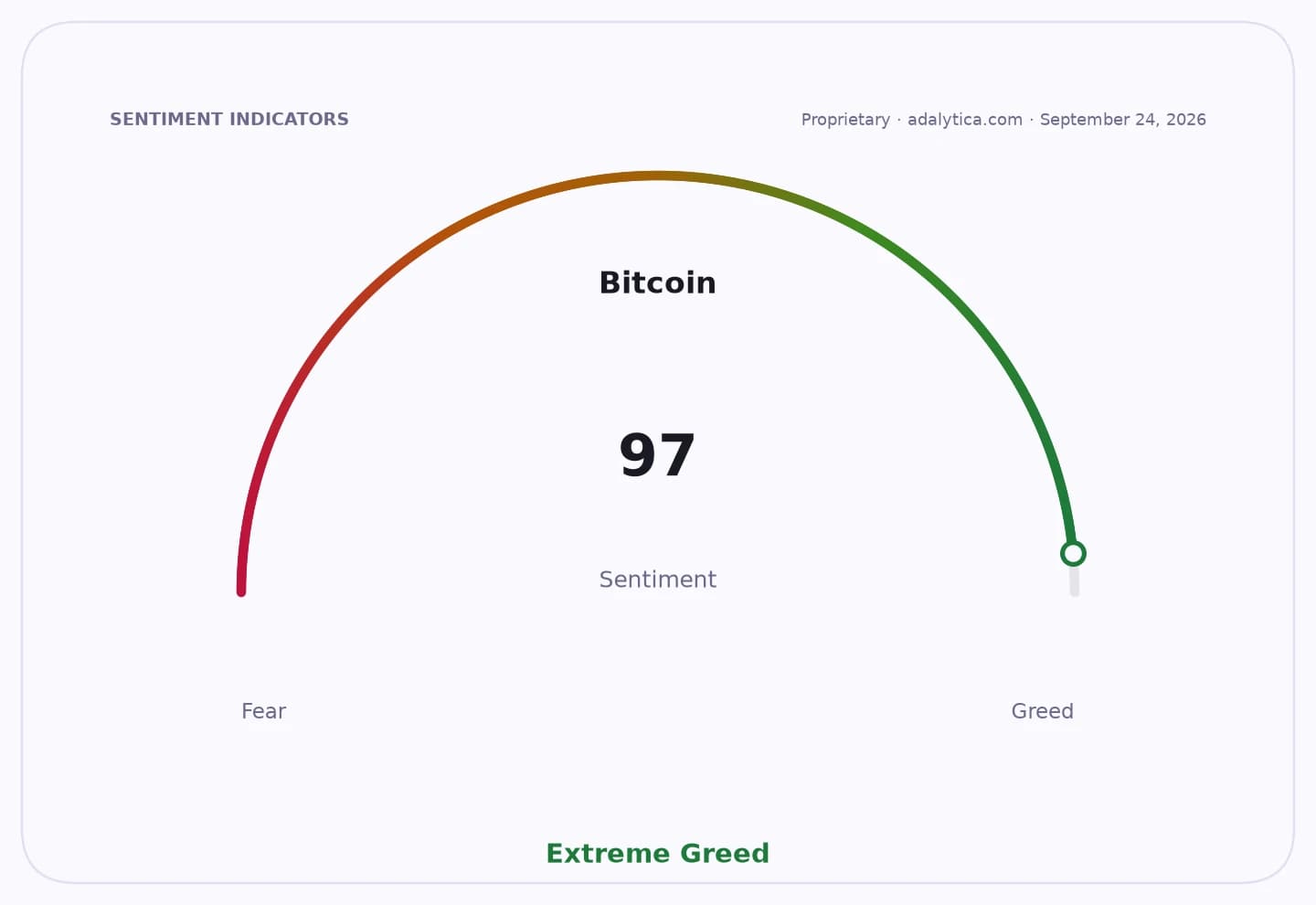
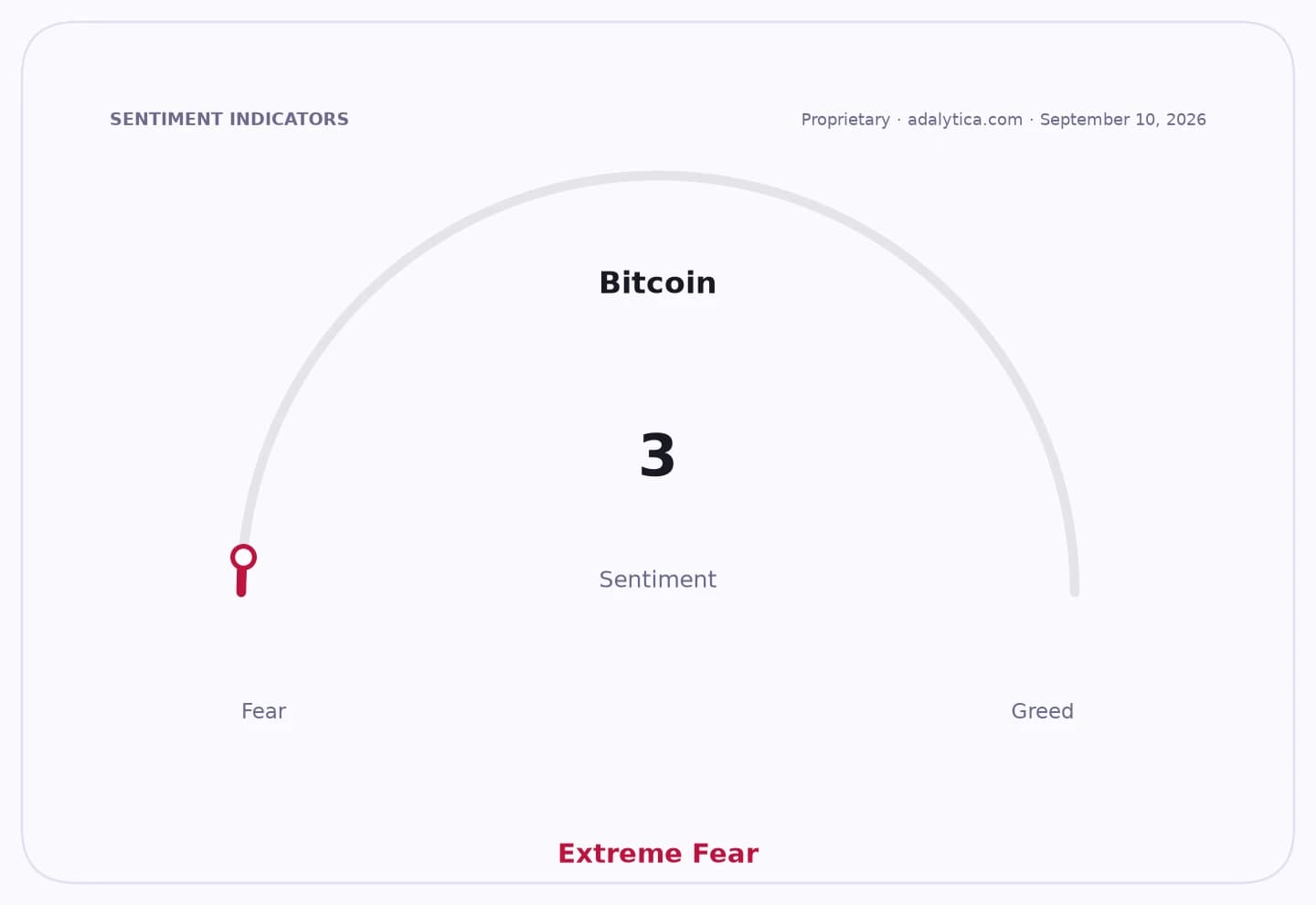
Technical signals point to a market that has lost momentum. Bitcoin is now trading well below its recent highs and near the middle of its Bollinger Bands, while the Adalytica Bitcoin Fear & Greed Index has dropped to 18, or “Fear,” with “Extreme Fear” on its awareness gauge, underscoring how quickly sentiment has deteriorated.
For investors, the key test is whether Bitcoin can hold the $80,000 area as Fed policy expectations and inflation data drive broader risk appetite. A stronger inflation read or more hawkish Fed repricing could keep pressure on crypto into the next policy meeting, while any sustained return of ETF demand may help stabilize the market.
| Entity | Gains | Losses |
|---|---|---|
| U.S. dollar | ▲Higher-rate support | ▼None from weaker crypto |
| Bitcoin ETF buyers | ▲Lower entry levels | ▼Near-term price volatility |
| Crypto miners/holders | ▲Potential rebound if support holds | ▼Immediate mark-to-market losses |
| Coinbase and MicroStrategy | ▲ETF-led long-term adoption | ▼Risk-off selling in crypto-linked stocks |