Bitcoin is still trading above $84,000, but the bigger story is that the market is now confronting a classic macro tug-of-war: a surging dollar and higher yields versus a crypto market that is showing signs of speculative excess rather than broad conviction.
Bitcoin Above $84,000 as Dollar and Yields Rise
That matters because Bitcoin’s latest move is no longer being driven only by the internal crypto cycle. The U.S. dollar has firmed sharply in the latest data snapshot, while the 10-year Treasury yield has climbed to about 5.08% and the Fed funds rate remains near 3.63%, keeping real financial conditions tight. In that setting, Bitcoin has to compete not just with risk appetite, but with the return available in cash and bonds. For investors, that is the core question: is Bitcoin still a hedge against monetary debasement, or is it increasingly trading like a high-beta liquidity asset that gets squeezed when the dollar rises?
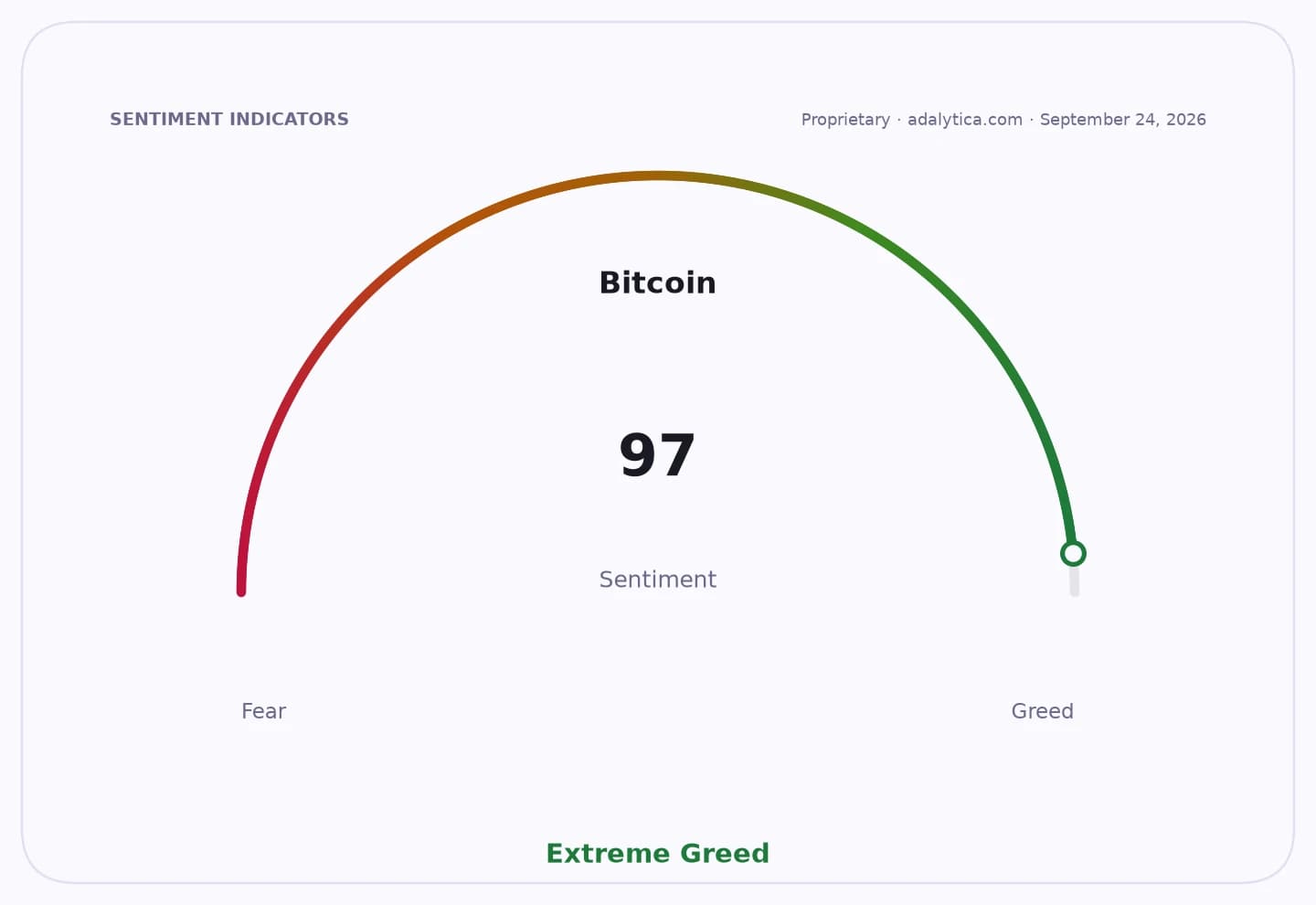
The price action suggests conviction is stretched. Bitcoin’s relative strength index is around 70.6, a level that typically marks an overheated market, while Adalytica’s Bitcoin Fear & Greed Index shows 97, or “Extreme Greed.” That combination usually does not end trends on its own, but it does tell you the market is leaning hard in one direction. Bitcoin has also climbed back above both its 50-day moving average of about $74,924 and its 200-day moving average near $70,850, a bullish technical backdrop that has drawn momentum buyers back into the trade. The problem is that the same setup can unravel quickly if the dollar keeps firming or if Treasury yields hold near current levels.
This is where the investment narrative gets more interesting. The market is still pricing Bitcoin as a quasi-independent macro asset, but in practice it is behaving more like a liquidity-sensitive risk barometer. When the dollar strengthens and policy remains restrictive, speculative capital tends to rotate out of the most crowded trades first. That creates a second-order opportunity for investors who understand the plumbing: if Bitcoin pauses or pulls back, the real beneficiaries may not be the coin itself, but the infrastructure around it — exchanges, brokers, market makers, custody providers and payment rails that earn volume either way.
That also explains why the broader crypto ecosystem matters more than one headline level on BTC-USD. Robinhood and Coinbase remain exposed to trading activity and crypto adoption, and their earnings power is leveraged to volatility as much as to direction. If Bitcoin keeps grinding higher, those names can benefit from higher engagement. If it gets hit by a dollar-led deleveraging wave, their trading volumes can still spike even as token prices fall. Either way, the money is in the flows.
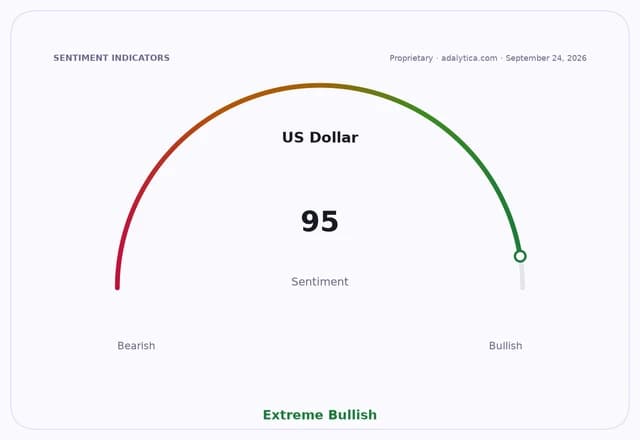
The dollar story is equally important. Adalytica’s U.S. dollar signals show extreme greed, which suggests traders have crowded into the greenback just as Bitcoin sentiment has become euphoric. That kind of divergence is often where the next violent move begins. If the dollar peaks and starts to roll over, Bitcoin could resume its breakout and quickly retest recent highs. If the dollar keeps surging, crypto is likely to feel pressure first.
My takeaway: don’t chase Bitcoin here as a simple breakout trade. The asymmetric opportunity is in the picks-and-shovels of the crypto economy and in preparing for a volatility regime shift. For long-term investors, the best entries often come when sentiment is extreme and macro conditions are tightening. Right now, that is exactly where Bitcoin stands.
| Entity | Gains | Losses |
|---|---|---|
| Bitcoin bulls | ▲Breakout if dollar softens | ▼Crowded longs if yields rise |
| U.S. dollar | ▲Safe-haven bid, stronger demand | ▼Risk appetite if Fed turns easier |
| Coinbase / Robinhood | ▲Trading-volume upside | ▼Lower token prices if deleveraging hits |
| Treasury buyers | ▲Higher yields, better income | ▼Crypto speculators and momentum traders |