Bitcoin’s latest security breach is drawing attention not to the blockchain itself, but to the fragile plumbing around it that institutions would need before treating crypto as mainstream financial infrastructure.
Bitcoin Liquid Network hack raises custody risk
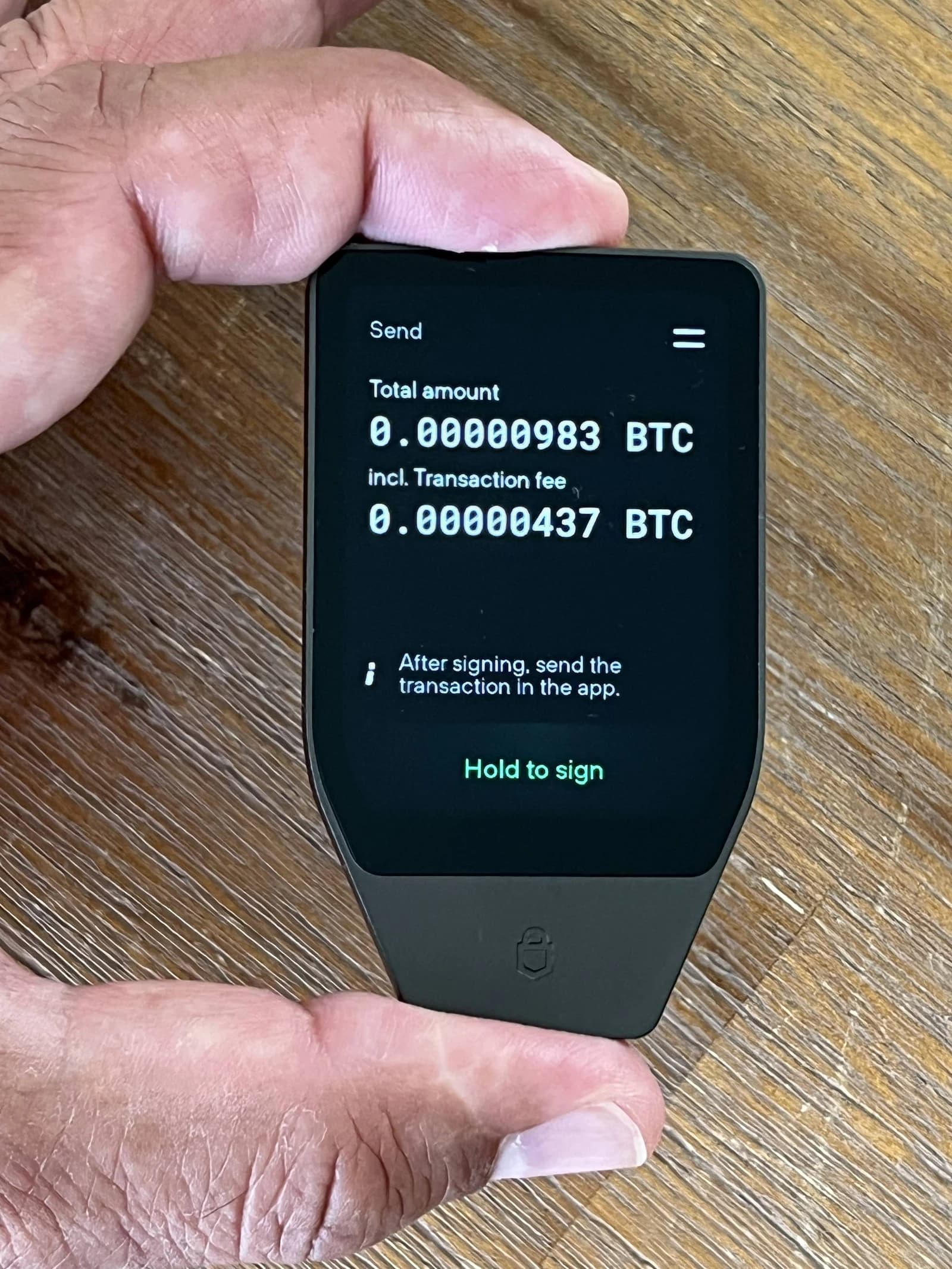
The $320 million theft from the Bitcoin-linked Liquid Network matters because it hits at the core of crypto’s pitch to banks, funds and payment firms: that digital assets can be settled and moved on rails sturdy enough for institutional use. Even though most of the stolen bitcoin was later returned, the episode reinforces a bigger economic problem for the sector — the recurring risk of operational failure in wallets, custody, bridges and settlement systems that sit above the base blockchain.
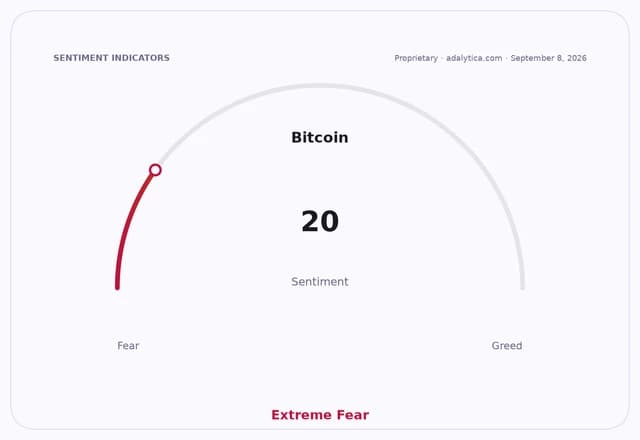
Sentiment IndicatorsⓘProprietary · adalytica.com · September 8, 2026
This is a snapshot — live sentiment, awareness and momentum for 130+ markets update continuously in the dashboard.Open AlphaPulse
That distinction is important for investors because it widens the gap between Bitcoin’s underlying network resilience and the businesses built around it. Bitcoin itself kept functioning; the failure was in the surrounding infrastructure. For institutions weighing tokenised deposits, securities or treasury products, that means diligence extends far beyond consensus security to custody controls, smart-contract design, settlement governance and insurance backstops. The result is likely to be higher compliance costs, more conservative counterparty selection and slower adoption curves.
The breach also lands amid a year of rising attack frequency across crypto. About $1.4 billion has been stolen in 250 hacks so far in 2026, versus $2.7 billion across 146 incidents in 2025, according to DefiLlama. Bridges and cross-chain infrastructure — critical for moving assets between blockchains — accounted for 26 of this year’s attacks, up sharply from just three last year. That pattern matters because it shows cyber risk is shifting toward the connective tissue of decentralised finance, where complexity, fragmented oversight and uneven vetting make exploitation easier.

The market impact extends beyond the immediate loss. Repeated hacks tend to strengthen the bear case for wider institutional adoption by increasing the perceived need for capital buffers, third-party insurance and diversified custody providers. They also help explain why crypto markets can remain volatile even when Bitcoin’s own protocol is unchanged: investors are pricing not just coin risk, but infrastructure risk and the possibility of regulatory backlash.
That tension is the central narrative in crypto’s maturation. The industry was designed to reduce reliance on trusted intermediaries, yet its institutional future depends on rebuilding trust in the layers around the blockchain. For now, the Liquid hack is another reminder that the biggest vulnerability in crypto may not be the chain itself, but everything that connects users to it.
| Entity | Gains | Losses |
|---|---|---|
| Bitcoin blockchain | ▲Core protocol credibility | ▼Perceived institutional trust |
| Crypto insurers/custodians | ▲Higher demand | ▼Higher scrutiny and claims risk |
| Institutional adopters | ▲Better risk controls over time | ▼Faster rollout plans |
| Attackers | ▲Opportunity from weak infrastructure | ▼— |