Bitcoin activity is picking up again, and that matters because the latest rebound in transactions suggests users are returning to the network even as prices remain well below recent peaks. After a bruising selloff, the crypto market is showing signs of life from the ground up, and that is the kind of setup investors should watch closely: on-chain usage tends to improve before confidence fully returns.
Bitcoin transactions rebound as COIN, MSTR weaken

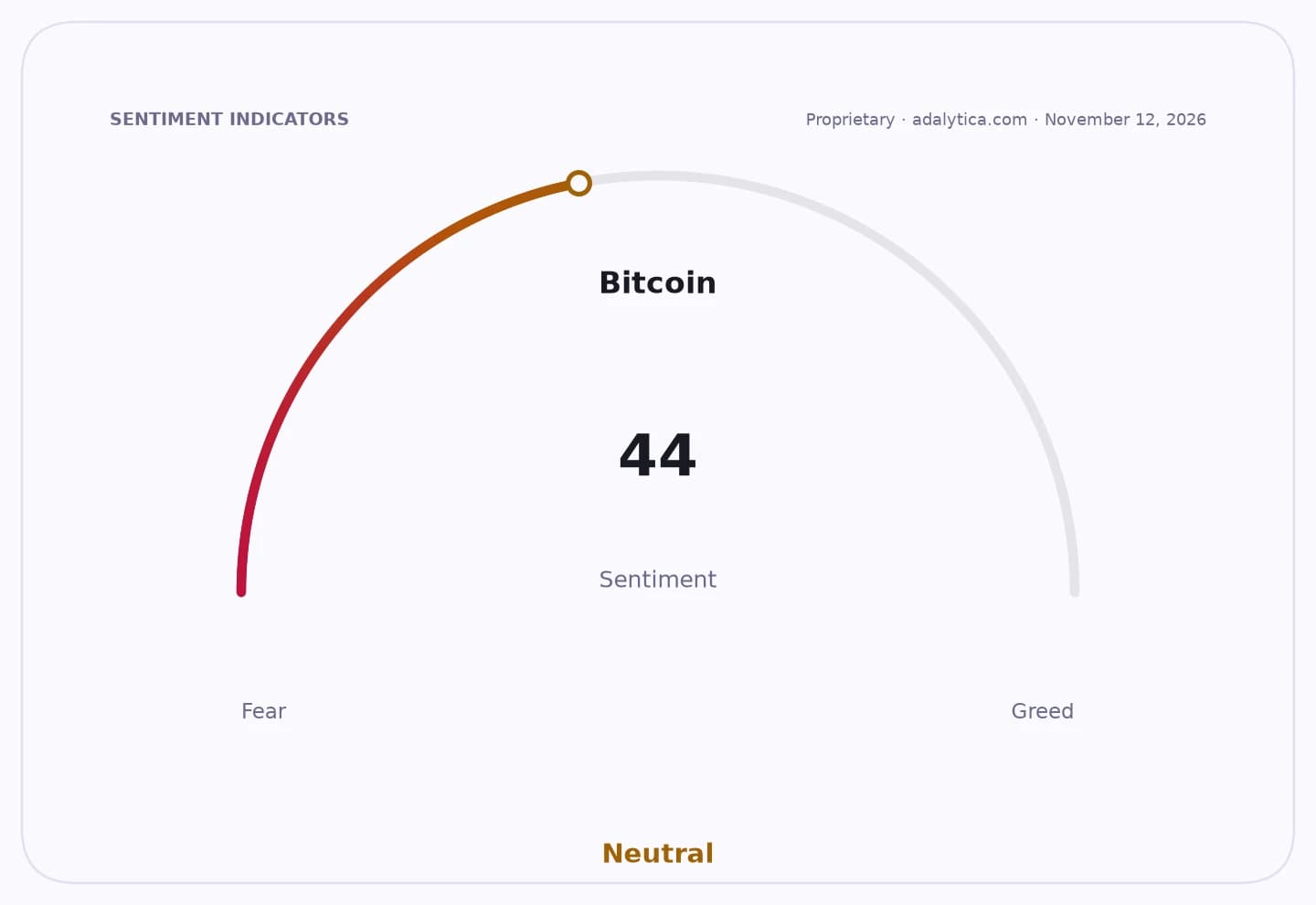
The most important message in the data is not the day-to-day price wobble around $73,647, but the steady improvement in network engagement. Bitcoin’s fear-and-greed reading from Adalytica has climbed to 41 from 28 two days earlier, while awareness is back at 58, hinting that market attention is rebuilding after the shock. That lines up with the broader picture of a market trying to stabilize after a violent reset, with Bitcoin still trading below its 50-day moving average near $81,112 and its 200-day average near $73,116.
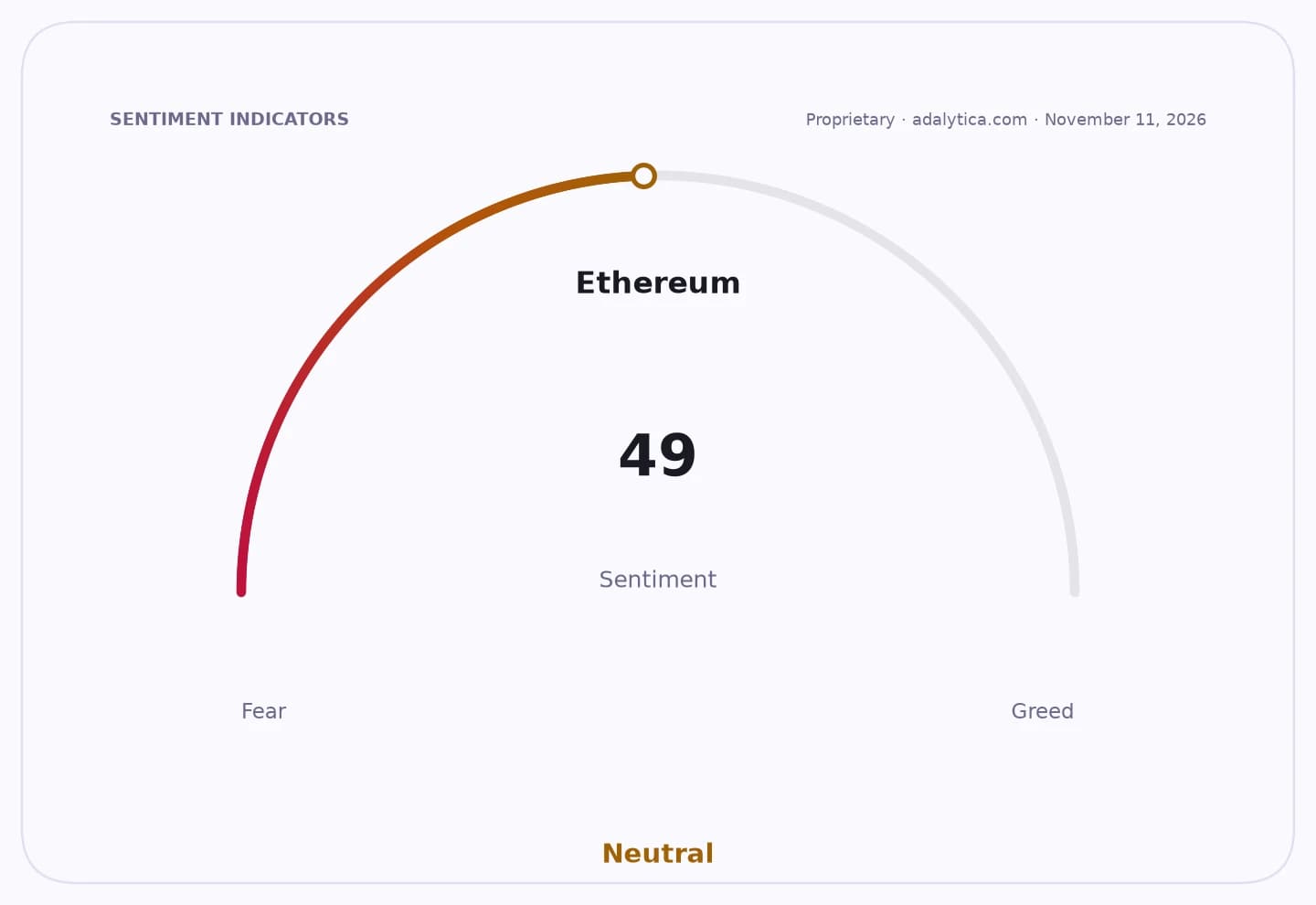
Sentiment Indicators
That matters economically because crypto markets run on activity. More transactions mean more demand for exchange services, custody, trading infrastructure and liquidity provision. If the bounce in usage holds, it can translate into better volumes for the companies that make money from crypto turnover rather than just directional price exposure. It also suggests the latest drawdown may be flushing out weak hands rather than ending the cycle outright.
For investors, the key is that this is not just a Bitcoin story. Coinbase, MicroStrategy and other crypto-linked names are all levered to renewed engagement, but in different ways. Coinbase lives and dies by trading volumes and retail participation. MicroStrategy remains a high-beta proxy for Bitcoin’s direction. When on-chain activity improves after a shock, the second-order winners are often the infrastructure providers, not just the token holders.
The technical backdrop still says caution. Bitcoin’s RSI is 29.4, which signals a market that is oversold but not yet healed, while the MACD remains negative. COIN is still weak as well, with the stock at $135.24 versus a 50-day average of $172.55, and MSTR has slid to $122.60, well below its 50-day average of $144.11. That tells you the market is not pricing a full recovery yet.
But that is exactly where the opportunity can emerge. The market underestimates how quickly crypto participation can return once fear starts to fade, especially after a selloff that has already forced out speculative excess. If transactions keep rising for a third month, the narrative shifts from “crypto is breaking” to “crypto is rebuilding,” and that is the inflection point investors should be positioned for. I believe the smarter trade is not chasing the bounce in the tokens alone, but owning the picks-and-shovels names that benefit when activity returns. The next catalyst is simple: sustained volume growth and a stabilization in Bitcoin above its near-term support bands.
| Entity | Gains | Losses |
|---|---|---|
| Coinbase (COIN) | ▲Higher trading volumes | ▼Lower retail activity |
| MicroStrategy (MSTR) | ▲Bitcoin rebound leverage | ▼Prolonged BTC weakness |
| Bitcoin network | ▲Rising transactions | ▼Post-selloff stagnation |
| Short sellers | ▲— | ▼Short squeeze risk |