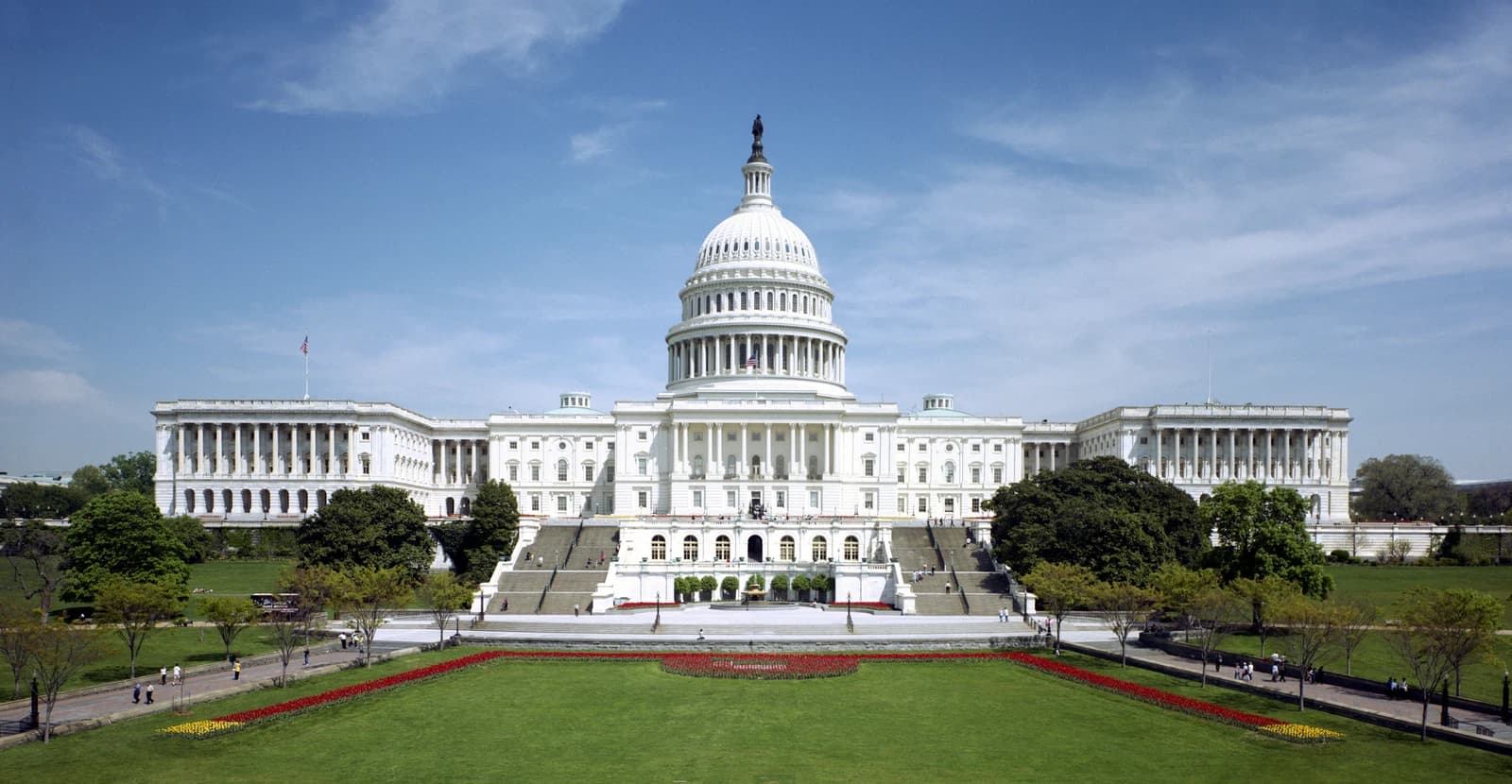
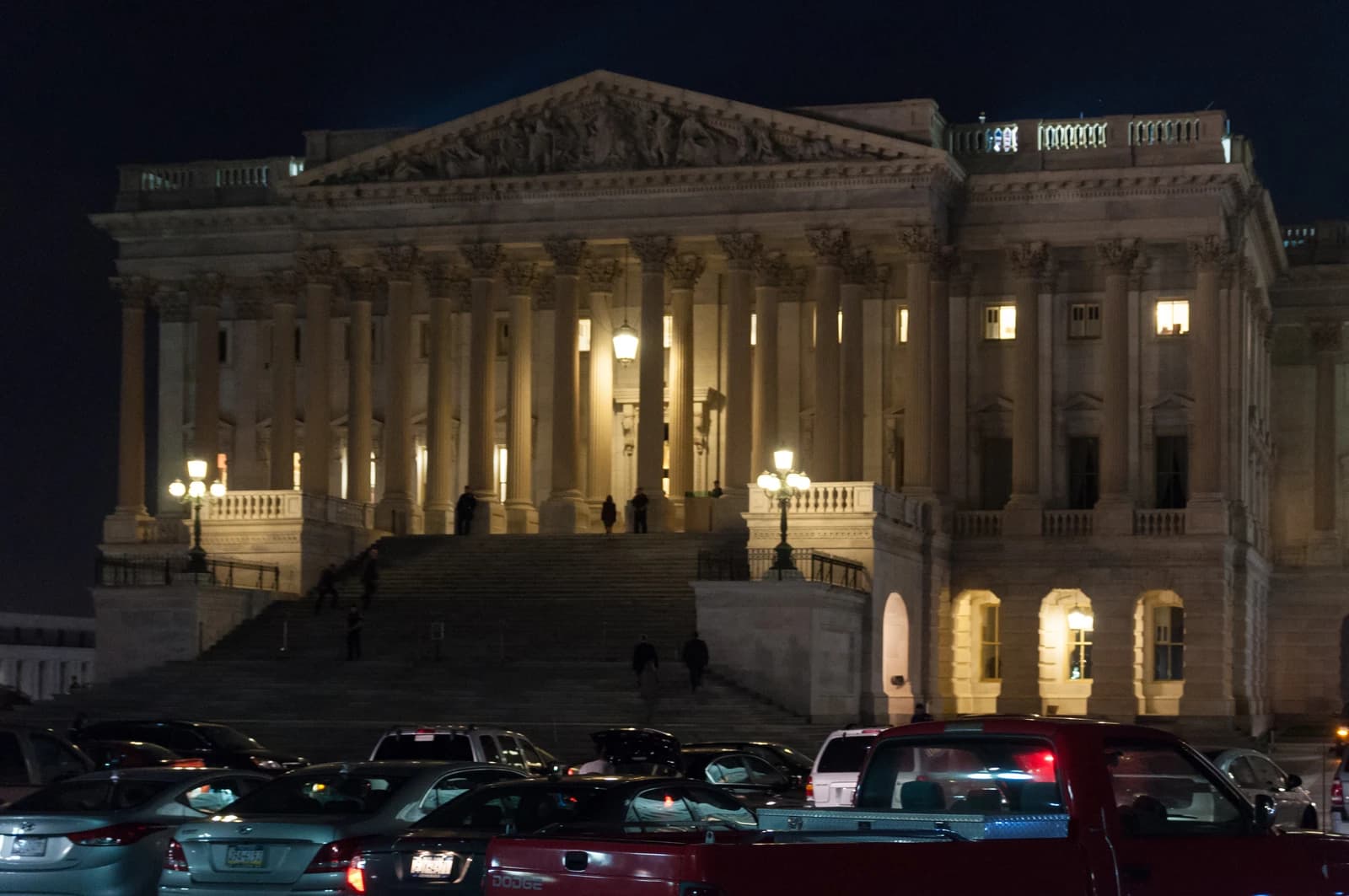
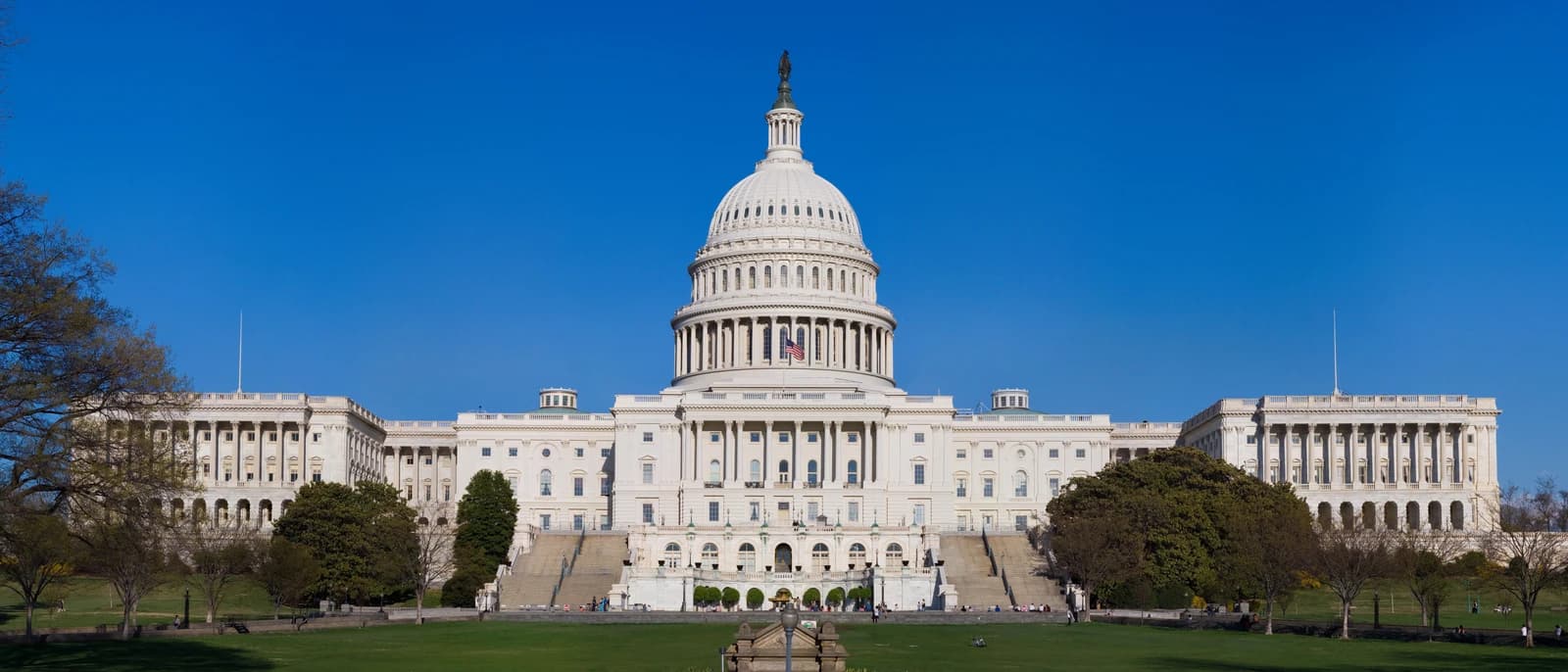
Bitcoin barely budged even as Washington pushed two crypto bills forward Tuesday, underscoring how much of the market has already priced in friendlier regulation while still waiting for any law that truly changes supply.
Bitcoin Advances on US Crypto Tax and Reserve Bills

The biggest immediate development is the House Ways and Means Committee’s 38-5 vote to advance the Digital Asset Tax Certainty Act, a bill that would extend stock-style wash-sale rules to cryptocurrencies for the first time. That matters because it closes a long-standing tax loophole that has let traders harvest losses and quickly repurchase the same token, a practice that has supported speculative turnover but also distorted retail behavior. In practical terms, it would make crypto taxes look more like equity taxes, raising compliance burdens for active traders while bringing digital assets closer to the mainstream financial system.
Sentiment IndicatorsⓘProprietary · adalytica.com · September 17, 2026
This is a snapshot — live sentiment, awareness and momentum for 130+ markets update continuously in the dashboard.Open AlphaPulse

For investors, that is a mixed but ultimately constructive shift. Ending wash-sale treatment could reduce some short-term trading activity, but it also lowers the policy gap between crypto and other asset classes, making the market more legible for institutions, custodians and tax-sensitive allocators. That is the kind of plumbing change that often matters more over time than a headline-grabbing price catalyst, because it improves the odds that capital enters through regulated channels rather than pure speculation.
Bitcoin’s muted reaction fits that reading. The token was trading around $76,730 on Wednesday, only slightly higher on the day, while still sitting above its 50-day moving average of about $72,156 and its 200-day average of roughly $70,338. RSI readings near 31 suggest the market remains technically weak but not in panic, and the lack of a sharp move implies traders do not see the tax bill as a near-term demand shock.

The second bill, the American Reserve Modernization Act, is the one with bigger symbolic weight but less immediate market impact than the headlines suggest. It would codify the federal government’s Strategic Bitcoin Reserve in law and require the roughly 198,000 BTC already held by Washington to stay locked up for 20 years. That could make future liquidation far harder, a meaningful step for a market that treats government holdings as latent supply. But it would not authorize new open-market buying, and any Treasury or Commerce study of additional accumulation would have to be budget-neutral.
That is why Bitcoin is not surging. Investors had more reason to cheer if Congress were authorizing fresh state demand or a clearer buying program. Instead, the reserve bill mostly reduces one tail risk — the chance of a future administration unwinding policy by executive action — without adding immediate demand. The market understands the difference, which is why the move in Bitcoin has been modest and why the story is more about institutionalization than a sudden supply squeeze.
The legislative path is still far from complete. Even if the reserve bill clears committee, it would still need House floor passage, Senate approval and a presidential signature, and the House is due to leave Washington after Sept. 17 until after the November election. That makes a fast-track vote unlikely. A year-end NDAA attachment would be a quicker route, but there is no Senate companion bill yet.
For investors, the key takeaway is that crypto regulation is shifting from debate to codification. The wash-sale bill could tighten trading behavior, but the reserve bill, if it advances, would be the more important long-dated bullish signal because it would make government-held Bitcoin harder to sell. That favors a selective strategy: own the infrastructure names, keep exposure to Bitcoin itself, and watch whether Congress turns symbolic reserve language into binding statute.
| Entity | Gains | Losses |
|---|---|---|
| Bitcoin holders | ▲Reserve lockup support | ▼Short-term trading edge |
| Active crypto traders | ▲Regulatory clarity | ▼Wash-sale loophole |
| Coinbase and brokers | ▲More compliant flows | ▼Tax-driven churn |
| Federal government | ▲Policy control | ▼Future sale flexibility |