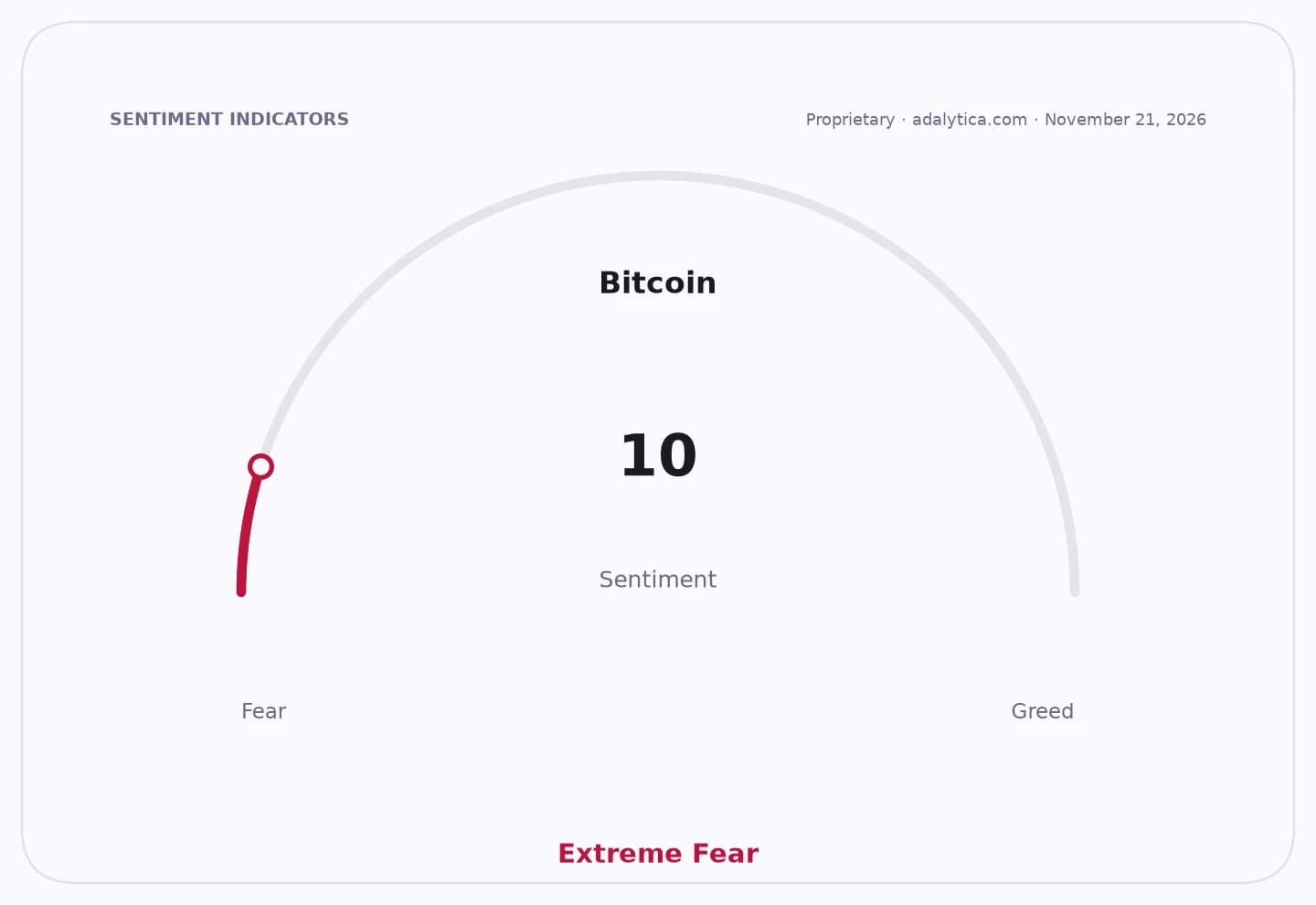
Bitcoin’s break below $57,000 and XRP’s 10% drop show that crypto’s latest shakeout is about more than one bad weekend — it is a reminder that leveraged bets, weak momentum and fading institutional appetite can turn a routine pullback into a much bigger reset.
Bitcoin and XRP Fall Amid Crypto Selloff
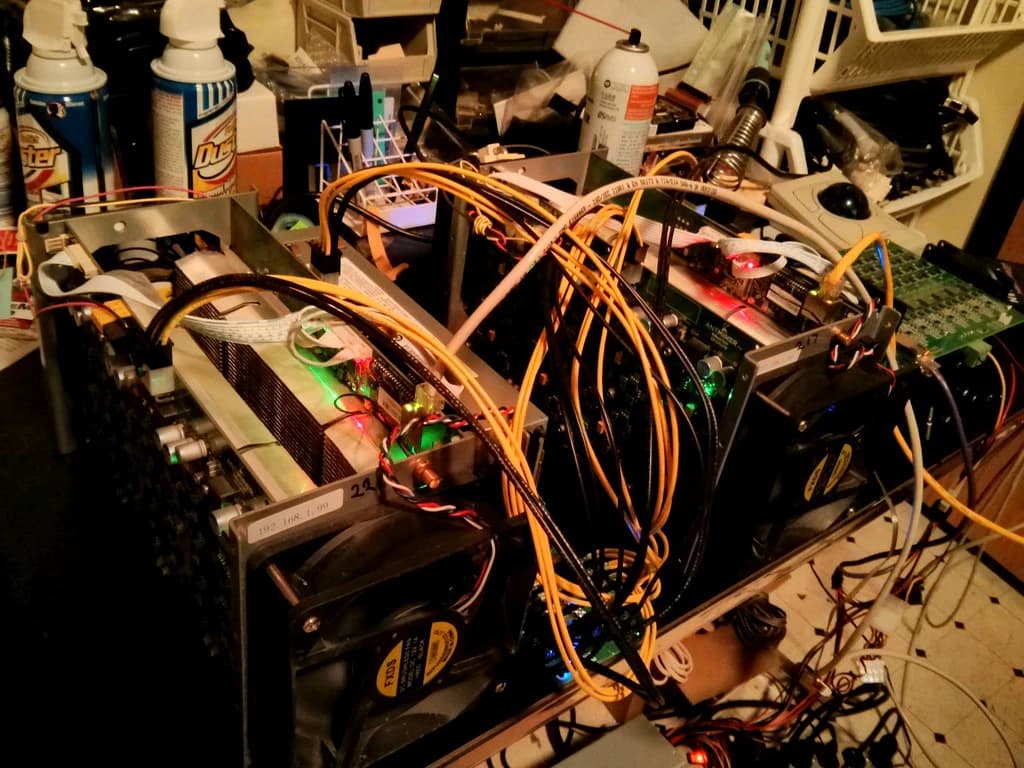
That matters because crypto prices do not move in isolation. When Bitcoin loses key support and altcoins like XRP fall harder, forced selling tends to follow, liquidity dries up and confidence across the asset class takes another hit. In a market built on momentum, the move lower can feed on itself.
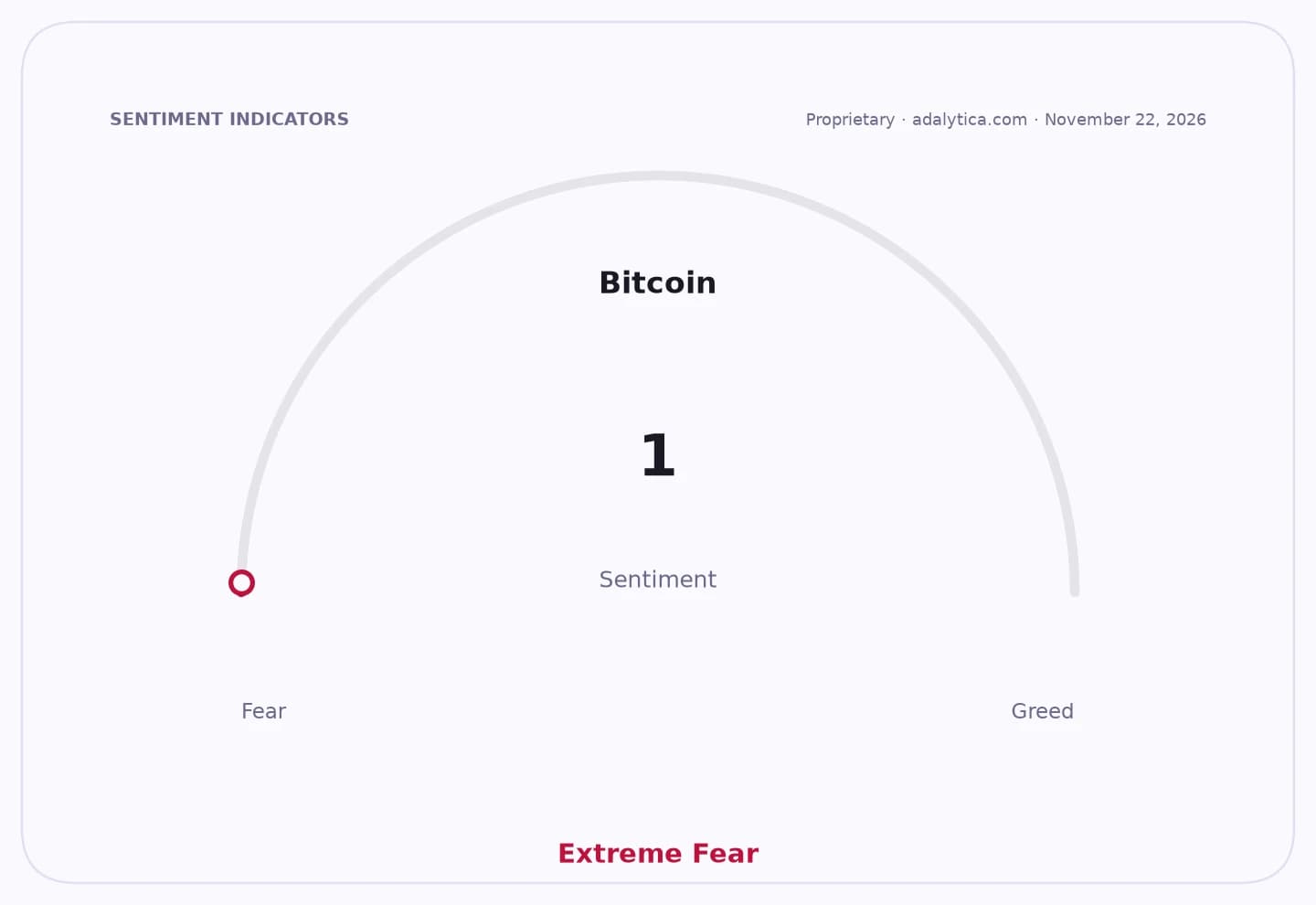
Bitcoin’s slide to the low $60,000s in the latest data comes after a violent reset from above $80,000, with the token now trading well below its 50-day moving average and still under its 200-day average. Readings on the relative strength index have been deeply oversold at points, and the MACD remains negative, underscoring a market still struggling to find a durable floor. XRP looks even weaker: it has slipped to around $0.93, far below both its 50-day and 200-day moving averages, while technical indicators continue to point to a trend that remains under pressure.
The damage is not just technical. Crypto liquidations have hit long positions with leverage, which is exactly the kind of unwinding that can magnify losses when sentiment turns. XRP’s retreat below a symbolic $1 level in the current data also shows how quickly a market can lose the support of speculative buyers once momentum breaks.
There is, however, a more constructive story underneath the price action. Even as tokens are under strain, the industry keeps pushing into areas that could matter for years, not days: protocol security, prediction markets and tokenized equities. Bitcoin Core developers have already issued a fix for a node vulnerability, a useful reminder that the network’s long-term credibility depends on constant maintenance. The bug was reportedly discovered with the help of an AI-based scanner from Block’s Spiral team, which is a sign that the infrastructure around crypto is becoming more sophisticated even as prices wobble.
Outside the coins themselves, the regulatory and product experiments continue. Kalshi is fighting a New York order that could shut its prediction-market business in the state, while Fairmint is working on a tokenized-stock venue using Canton and Ethereum under the SEC’s innovation exemption. Those initiatives matter because they point to the next phase of crypto adoption: not just speculation, but market plumbing, pricing tools and blockchain-based settlement rails that could eventually compete with parts of traditional finance.
For investors, the message is simple. Volatility is still the price of admission in crypto, and the current drawdown is a warning that even the biggest names can overshoot on the downside. But for long-term investors, the real question is not whether Bitcoin or XRP can bounce over the next few sessions. It is whether the underlying infrastructure, regulation and use cases continue to mature. On that score, the industry is still building — even if the market is punishing impatient holders right now.
For anyone with a multi-year horizon, this is a moment to stay selective, respect risk and keep the strongest assets on a watchlist rather than chasing every rebound.
| Entity | Gains | Losses |
|---|---|---|
| Short sellers | ▲momentum and forced selling | ▼less liquidity if panic fades |
| Long-only crypto holders | ▲potential future entry points | ▼near-term portfolio drawdowns |
| Bitcoin network developers | ▲urgency to improve security | ▼reputational pressure from bugs |
| Prediction markets and tokenization projects | ▲attention and regulatory relevance | ▼higher scrutiny and legal risk |