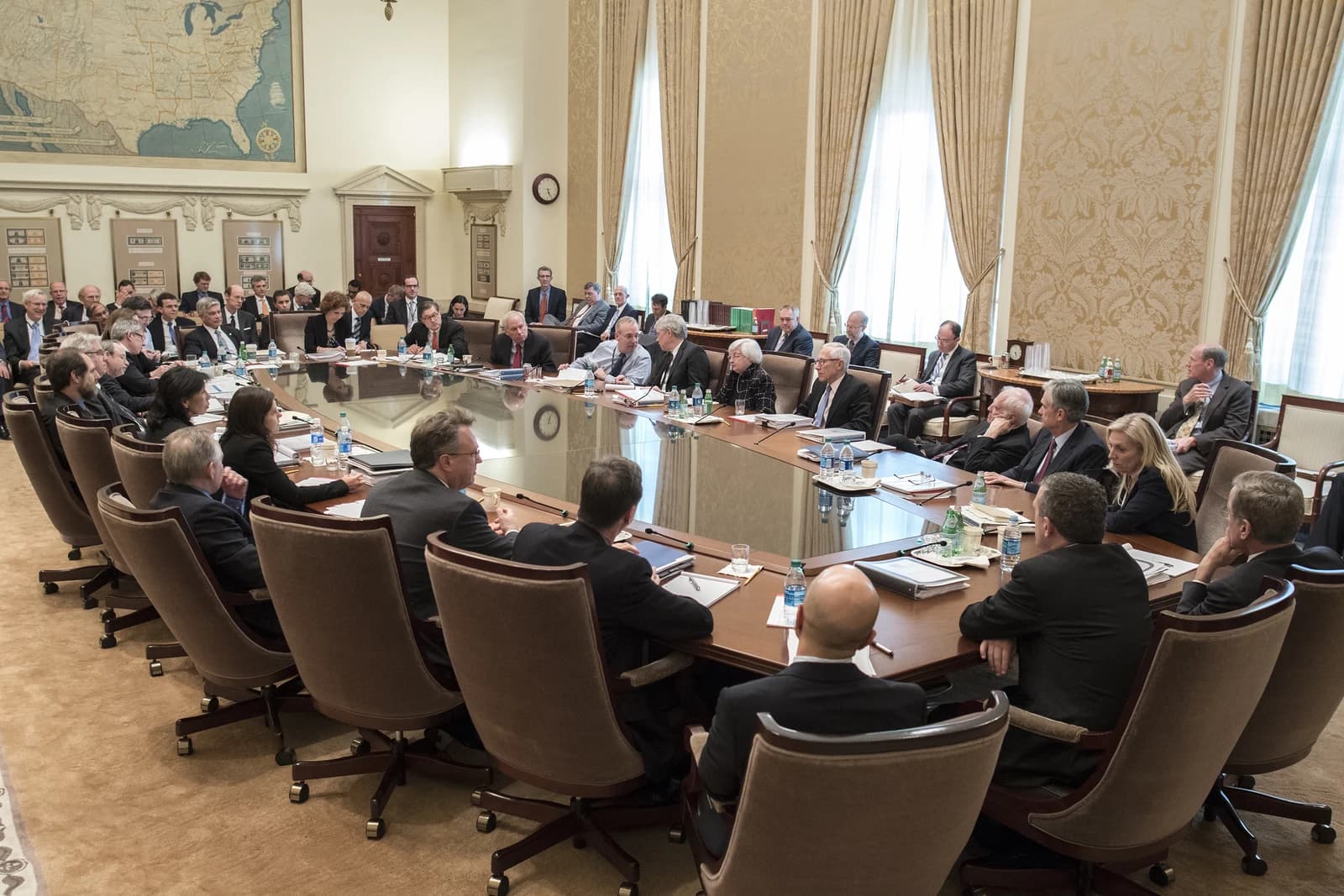
Ripple is doing something the market still underestimates: it is backing a U.S. Securities and Exchange Commission proposal for crypto rules because the company’s own $150 million legal battle is the clearest proof that enforcement-by-lawsuit is an expensive dead end.
Ripple backs SEC crypto rules proposal
That matters far beyond Ripple and XRP. If the SEC eventually turns its proposal into binding rule text, it could give the U.S. digital-asset industry what it has lacked for years — a durable framework that separates compliant projects from legal gray zones, reduces the odds of multi-year litigation, and keeps capital and talent from moving offshore. For investors, that is not just a policy footnote. It is a potential rerating event for the entire crypto complex, from exchanges to payment rails to the tokens most exposed to U.S. regulatory risk.

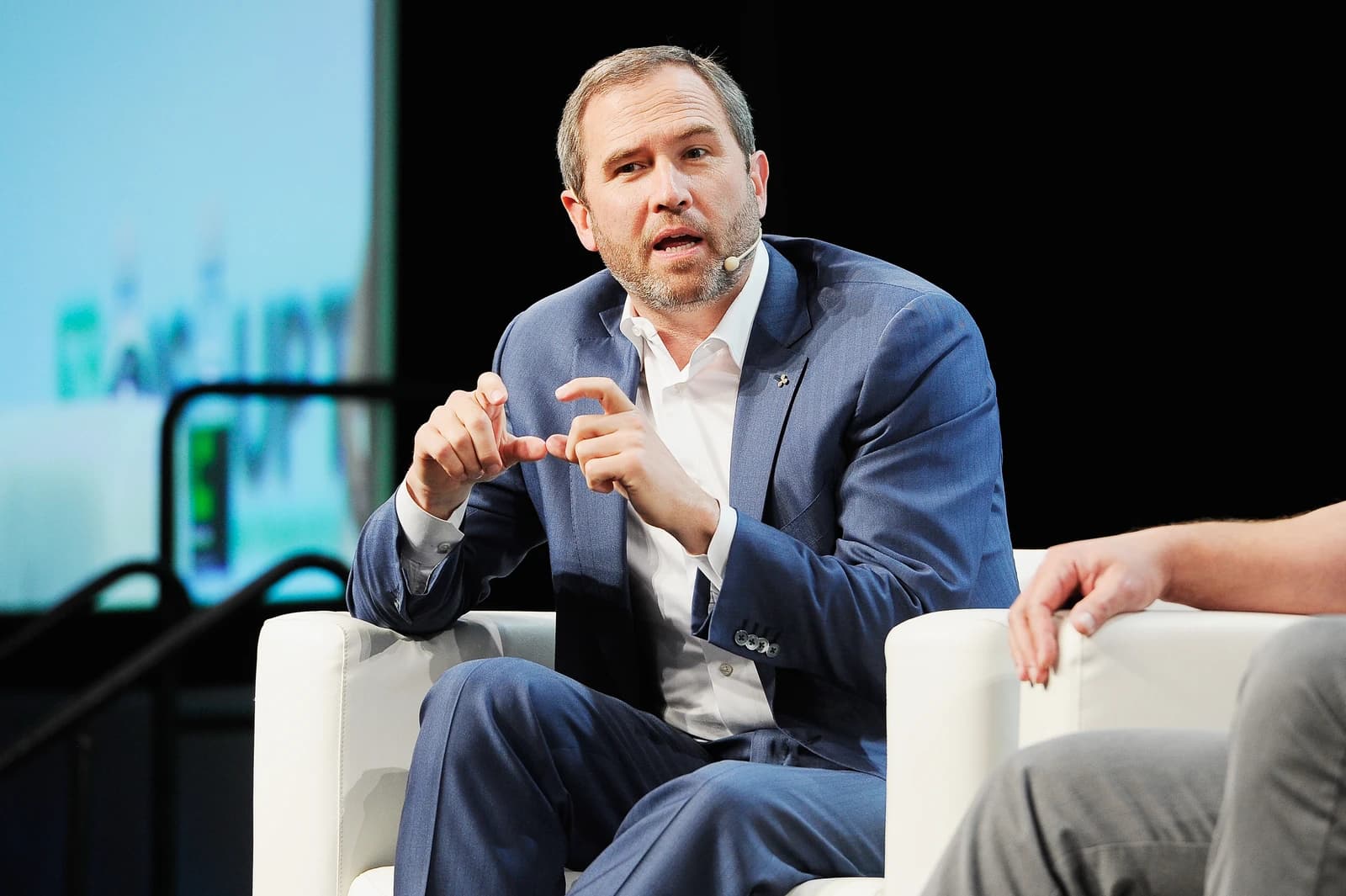
Ripple’s chief legal officer, Stuart Alderoty, said the company has filed a comment letter supporting the SEC’s effort and argued that “case by case, coin by coin” enforcement has pushed innovation out of the country. That is the key macro point here. The industry has been forced to spend capital on lawyers instead of product development, while investors have been asked to price assets without knowing which rules will govern them. In a sector where valuation depends on network growth, compliance access and institutional adoption, that uncertainty is a direct tax on multiples.
The XRP lawsuit is the most obvious example. Ripple says it has spent more than $150 million in the fight, a staggering cost for a company trying to define the legal status of its product under existing securities law. The broader message is even more important: when one of the best-capitalized names in crypto is forced into years of litigation just to learn how the rules apply, smaller firms have little reason to build in the U.S. instead of Singapore, Dubai or Europe.
Ripple’s argument that the SEC proposal is consistent with the Howey test also matters because it suggests regulators may finally be moving toward a more workable standard. Rather than relying on a subjective debate over decentralization, the company says the focus should be on the promises an issuer makes to investors and when those promises end. That is the kind of framework institutions can underwrite. It gives exchanges, token issuers and custodians a clearer map for product design, listing decisions and capital allocation.
For investors, the trade is straightforward: clearer rules are bullish for regulated platforms and compliance-ready infrastructure, but they are a headwind for business models that have monetized legal ambiguity. Coinbase, which already trades as the most obvious proxy for U.S. crypto regulation, stands to benefit if policy clarity unlocks more institutional flows and product expansion. Ripple itself would gain through reduced legal overhang and potentially easier adoption for XRP-linked payments use cases. Bitcoin and larger, more established assets should also benefit from a lower-risk backdrop, even if the direct legal questions are different.
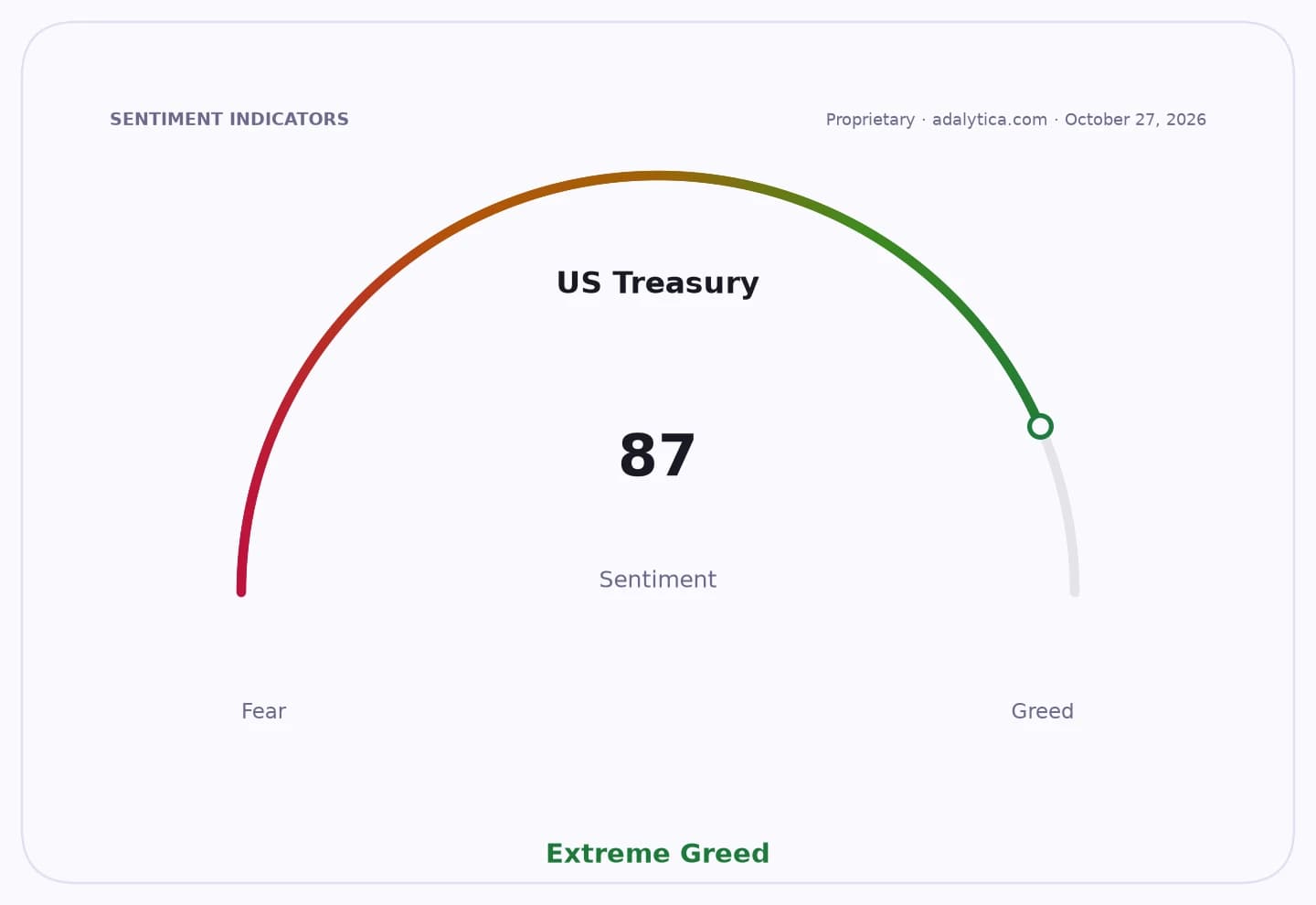
The technical backdrop reinforces the point that sentiment in the market remains fragile. XRP is trading around $1.29, well below its 50-day moving average near $1.40 and its 200-day moving average around $1.28, while RSI readings have only recently recovered from deeply oversold levels. Bitcoin, meanwhile, is sitting around $79,865, below its 50-day average near $81,795 and just above its 200-day average around $72,986. That tells you the market is not pricing in a clean regulatory breakout yet. If clarity arrives, the move could come fast because positioning is still cautious.
That is why this story matters now. Crypto is moving from a pure speculation narrative toward an infrastructure and policy narrative, and the winners will be the firms that can turn regulation into distribution. The market continues to treat U.S. crypto policy as a risk factor. I believe it should start treating it as an investable catalyst.
The next phase is simple: if the SEC finalizes clearer rules, expect capital to rotate toward compliant exchanges, custodians, payment providers and the large-cap tokens most likely to survive a more orderly market. If the agency stays stuck in enforcement mode, the offshore migration Ripple describes will continue, and the premium will remain on the few platforms with the balance sheet to survive the ambiguity. For long-term investors, that makes regulatory clarity one of the most important hidden catalysts in crypto today.
| Entity | Gains | Losses |
|---|---|---|
| Ripple | ▲Legal clarity | ▼Litigation overhang |
| Coinbase | ▲Institutional flows | ▼Regulatory uncertainty |
| U.S. crypto firms | ▲Onshore innovation | ▼Offshore migration |
| Token issuers with compliance | ▲Faster adoption | ▼Case-by-case enforcement |