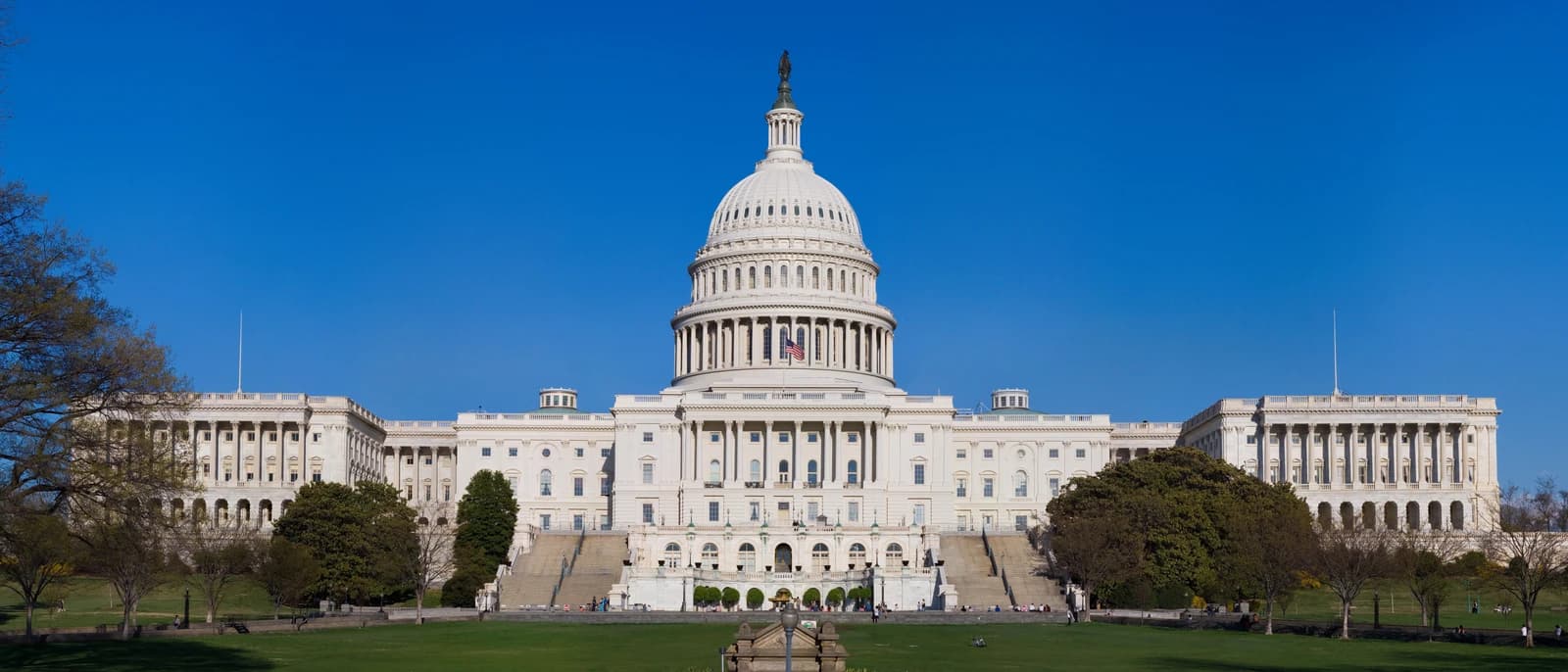
Michael Saylor used a bitcoin policy summit in Washington to press for a bill of digital rights, arguing that prosperity in crypto and digital intelligence will come from fewer restrictions rather than tighter rules.
Bitcoin Policy Summit Pushes Digital Rights Bill
The pitch matters because it is aimed at the policy perimeter that still defines how far bitcoin and the broader digital-asset industry can expand in the U.S. Saylor, whose MicroStrategy has become the market’s highest-profile corporate bitcoin accumulator, is positioning the debate as one of civil and economic rights, not just regulation. That framing is designed to widen the political coalition around digital assets at a time when lawmakers are weighing how much room to give crypto markets, software platforms and AI-linked infrastructure.
For investors, the message goes beyond rhetoric. A more permissive legal framework would likely support institutional adoption, lower the regulatory discount on bitcoin-linked equities and strengthen the case for companies such as MicroStrategy, Coinbase and bitcoin miners that depend on sustained capital access and policy clarity. The stock market has already shown how sensitive those names are to bitcoin’s direction: MicroStrategy and Coinbase have both retraced sharply from earlier highs even as they remain well above their lows, underscoring how quickly sentiment can shift when the underlying asset turns volatile.
Bitcoin itself remains the central reference point for the trade. It was last around $83,185, above its 50-day and 200-day moving averages of roughly $76,863 and $71,199, respectively, but still below an upper Bollinger Band near $88,497. RSI readings near 74.5 suggest the rally is stretched, while the MACD has begun to flatten, a technical combination that points to strong trend momentum but also rising risk of near-term consolidation. In other words, the market is not waiting for policy relief to prove the upside case — but any shift in the regulatory backdrop could help determine whether the move extends or stalls.
Saylor has long argued that bitcoin is more than a speculative asset and should be treated as core monetary infrastructure. At the summit, that argument extended to a broader vision of “digital intelligence,” implying that the same legal protections that support property rights and free enterprise in the physical economy should be adapted to software, data and tokenized assets. That is an ambitious political ask, but it speaks to the industry’s current strategy: frame digital assets as a growth engine for the U.S. rather than a niche risk that needs containment.
The bear case remains that Washington is more likely to add guardrails than deliver the sweeping rights-based regime Saylor wants. Crypto’s policy agenda still faces skepticism over consumer protection, financial stability and illicit-finance concerns. Even so, the fact that one of bitcoin’s best-known corporate advocates is now campaigning for a rights-based bill signals where the industry believes the next major catalyst lies: not just in price action, but in whether lawmakers decide digital ownership deserves explicit legal protection.
| Entity | Gains | Losses |
|---|---|---|
| Bitcoin / crypto holders | ▲Broader legal recognition | ▼Regulatory uncertainty |
| MicroStrategy / MSTR | ▲Policy tailwind for holdings | ▼Risk of tighter rules |
| Coinbase / COIN | ▲Clearer operating framework | ▼Compliance burden |
| U.S. lawmakers favoring restrictions | ▲Less industry influence | ▼Slower crypto expansion |