Crypto investors are being pushed back to basics on custody after Bitget suffered a hack that stole more than $350 million and forced the exchange to suspend withdrawals.
Bitget hack puts crypto custody and hardware wallets in focus
The breach is a reminder that the biggest risk in digital assets is often not price volatility but loss of access or outright theft. For holders of Bitcoin, Ethereum, Cardano and other tokens, safe storage has become an economic issue because compromised wallets can turn liquid assets into unrecoverable losses in minutes.
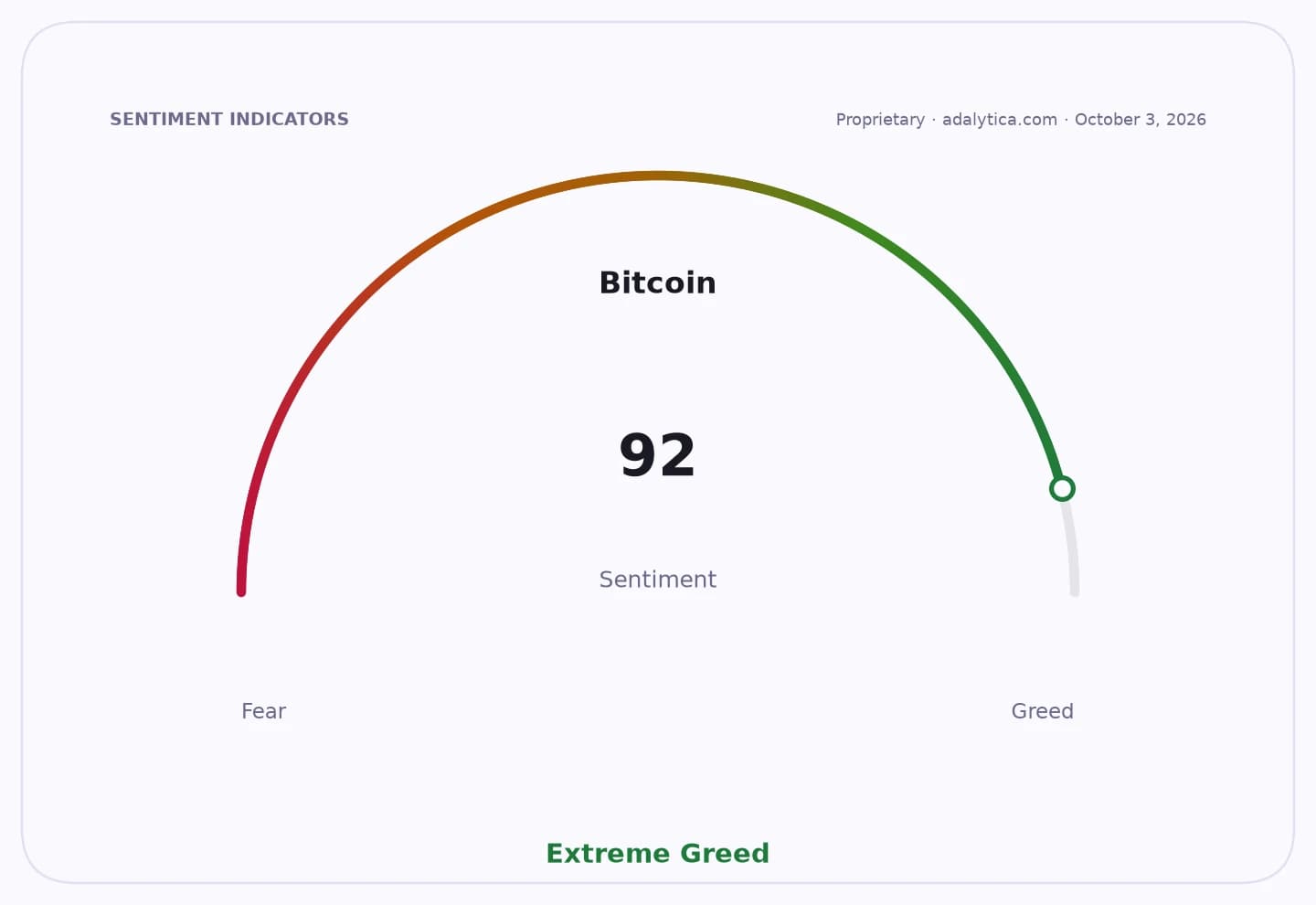
Sentiment IndicatorsⓘProprietary · adalytica.com · September 30, 2026
This is a snapshot — live sentiment, awareness and momentum for 130+ markets update continuously in the dashboard.Open AlphaPulse
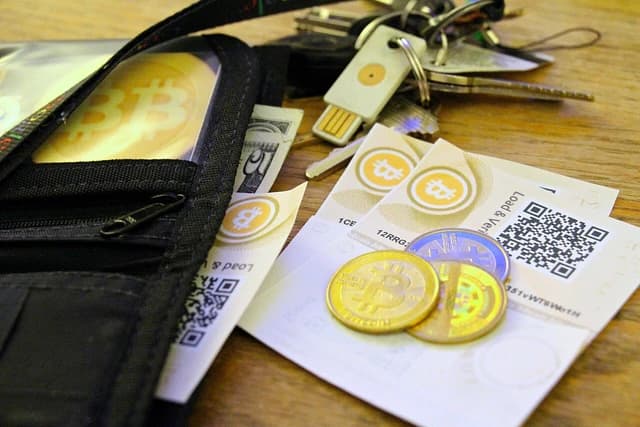
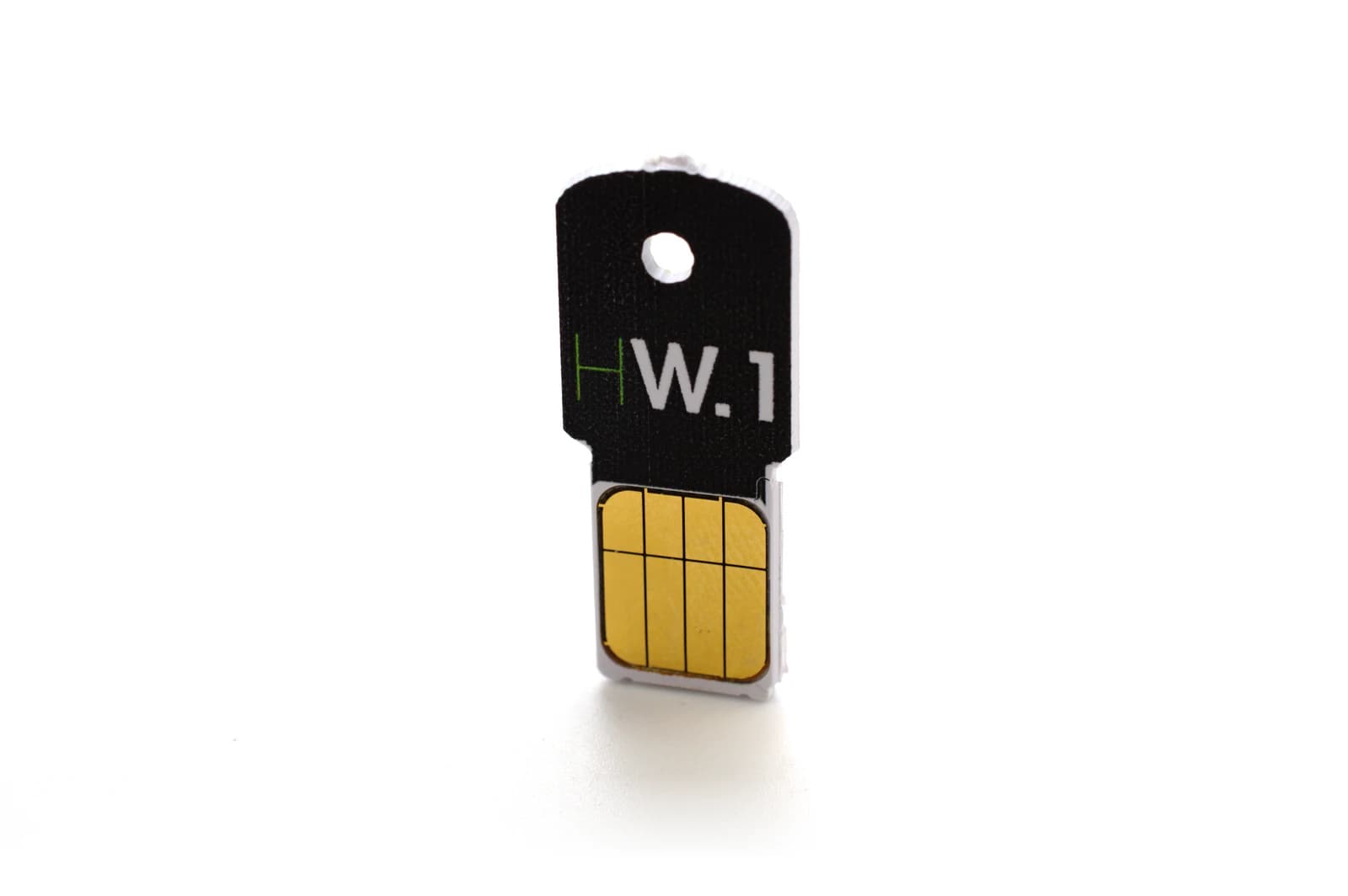
That is why hardware wallets are drawing renewed attention. Unlike exchange-hosted accounts, the devices keep private keys offline, limiting exposure to online attackers and making them a preferred option for investors who want direct control over their coins.
The industry pitch is straightforward: if an exchange can be hacked, the user should not leave a long-term stash there. Hardware wallets such as Trezor, Ledger and Bitbox store the seed phrase and signing functions on a physical device, reducing the odds that a single cyber breach can drain holdings.
The timing matters because crypto crime is becoming more organized, not less. Authorities in multiple jurisdictions are stepping up crackdowns on illicit crypto activity, while separate scams and ATM fraud cases underscore how quickly losses can spread beyond one exchange failure.
Market data also shows why security talk resonates with traders. Bitcoin has been trading around 37.0 in the latest readings, with a 50-day moving average of 32.42 and RSI at 67.6, while Ethereum has been holding near 25.57, above its 50-day and 200-day averages. Bitcoin’s proprietary sentiment gauge from Adalytica.com sits at 75, or “Greed,” suggesting traders remain engaged even as security risks stay elevated.
For investors, the message is not just about avoiding hacks; it is about preserving optionality. Coins stored safely can be sold, staked or moved when needed, while stolen assets are typically gone for good.
The near-term catalyst is likely more exchange scrutiny, tougher custody standards and a fresh push by wallet providers to market offline storage as the default for serious holders.
| Entity | Gains | Losses |
|---|---|---|
| Hardware wallet providers | ▲Higher demand | ▼Exchange custodians |
| Long-term crypto holders | ▲Better asset protection | ▼Users leaving coins on exchanges |
| Regulators and law enforcement | ▲Stronger case for oversight | ▼Illicit actors |
| Hackers and fraudsters | ▲— | ▼Direct access to funds |