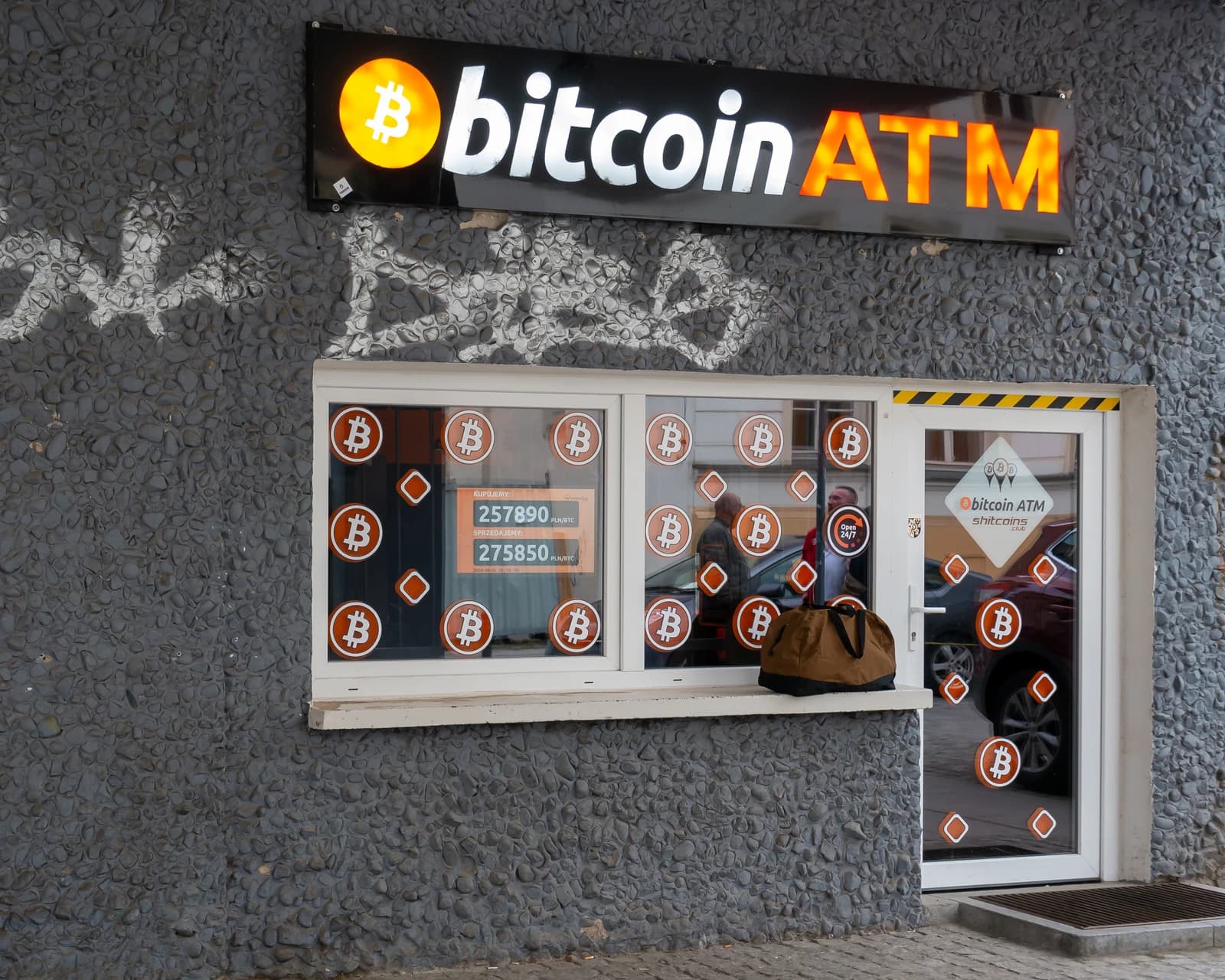
Bybit’s launch of cryptocurrency derivatives and a fiat on-ramp in South Africa marks a bigger step in crypto’s bid to become a more usable, regulated part of the financial system. For investors, that matters because the winners in digital assets are increasingly likely to be the platforms that can connect trading, funding and compliance in one place.
Bybit launches derivatives and fiat on-ramp in South Africa
The Dubai-based exchange said it is rolling out the products in South Africa through a local representative structure, giving users a way to move between rand and crypto more easily while also trading derivatives. That combination is important: derivatives typically attract more active traders because they allow leveraged bets, hedging and more sophisticated strategies, while fiat on-ramps lower the friction that keeps many retail users on the sidelines.
In practical terms, this is the kind of infrastructure move that can widen crypto adoption without depending on a fresh bull market. When exchanges make it easier to deposit local currency and access a fuller product set, they improve the odds that trading volumes, customer retention and fee income rise over time. That is especially relevant in emerging markets, where access, costs and trust often matter more than the latest token narrative.
The timing also comes as the crypto sector continues to wrestle with safety and governance questions. A recent security breach at rival exchange Bitget, which temporarily halted withdrawals after hackers stole roughly $351.6 million, is a reminder that scale alone does not win in this business. Investors tend to reward platforms that can pair growth with operational discipline, regulatory credibility and strong risk controls.
For Bybit, the South Africa push is less about one country than about a broader strategy: deepen market access, broaden product offerings and capture a larger share of the trading lifecycle. That is where the long-term economics of exchanges live. The more seamlessly a platform can bring in cash, route trades and keep users engaged, the more durable its revenue base becomes.
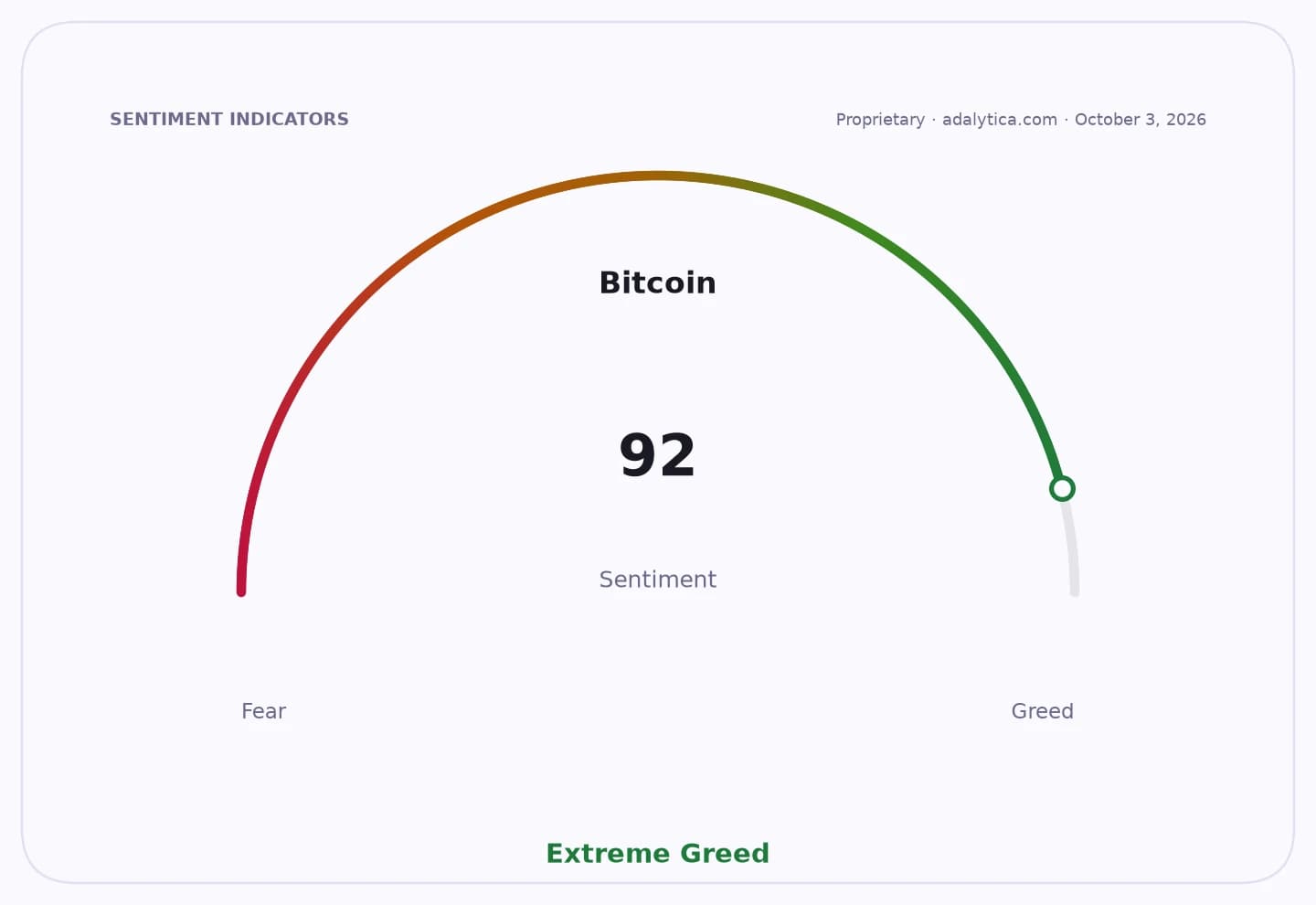
Crypto remains volatile, and that is not changing anytime soon. Bitcoin’s technical backdrop shows plenty of swings, and sentiment can turn fast, but long-term investors usually do better by focusing on the plumbing of the industry rather than short-term price noise. Exchanges, payment rails and custody infrastructure often compound quietly when they are executed well.
For investors, the takeaway is straightforward: Bybit’s South Africa move is a reminder that crypto’s next phase may be built less on speculation and more on access. That makes regulated exchange infrastructure worth watching, especially for those thinking in years rather than weeks.
| Entity | Gains | Losses |
|---|---|---|
| Bybit | ▲New users and trading volume | ▼Rivals in South Africa |
| South African traders | ▲Easier access and more products | ▼Firms with poor onboarding |
| Local regulators | ▲More visible market activity | ▼Unregulated platforms |
| Rival exchanges | ▲— | ▼Share, fees and attention |