BIX is betting that crypto card users care more about keeping control of their coins than chasing bigger cashback offers, and that could pressure a corner of the payments industry built on custodial wallets and prepaid-style funding.
BIX Card Lets Users Spend Crypto Without Custody Transfer
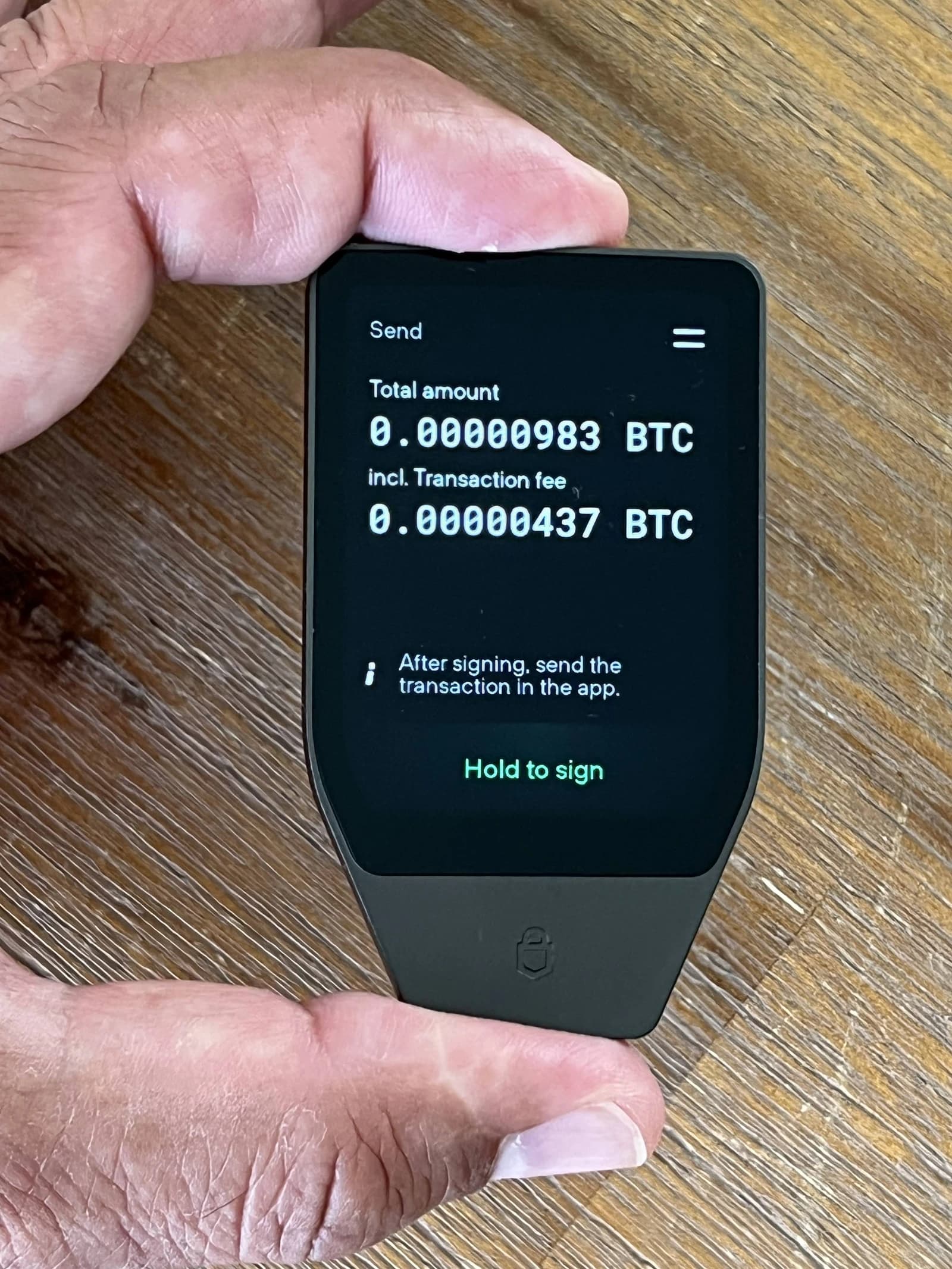
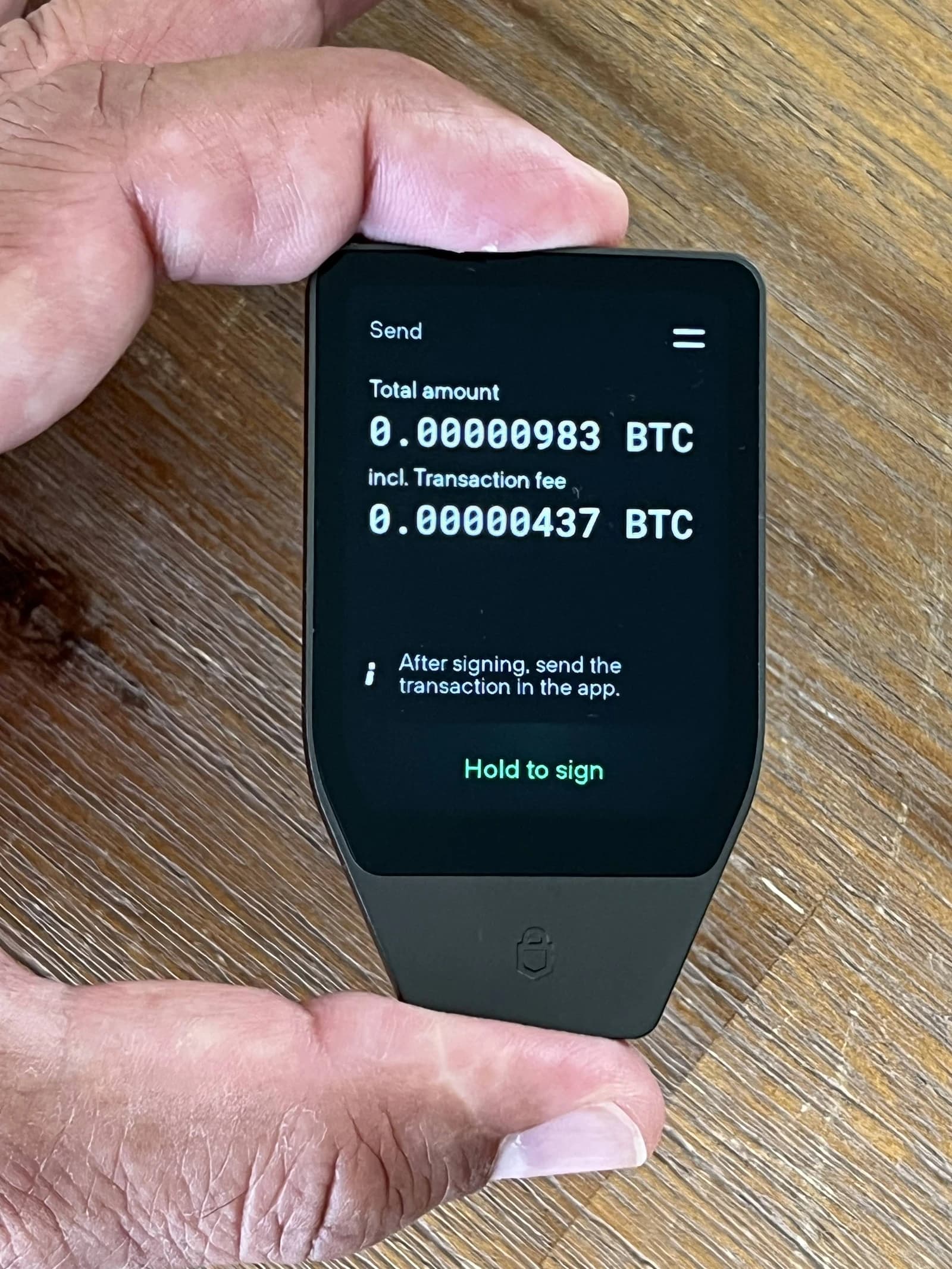
The neo-finance app says its card program lets customers spend digital assets without transferring them to the provider, a pitch that speaks directly to one of crypto’s longest-running trust problems. In BIX’s US setup, users post crypto as collateral while Visa settles the merchant in fiat, so retailers see a normal Visa transaction even if the back end is built around self-custody.
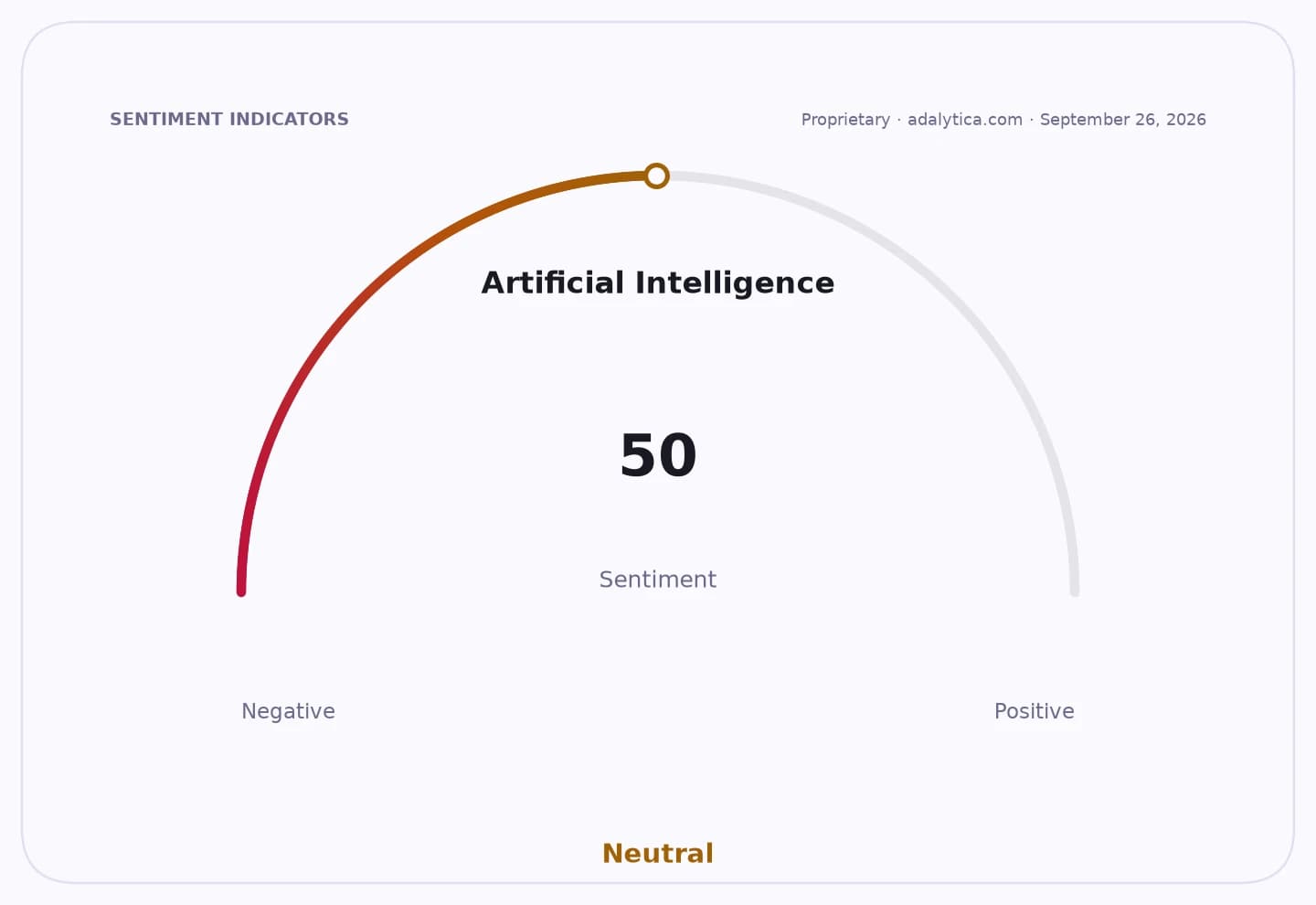
Sentiment IndicatorsⓘProprietary · adalytica.com · September 26, 2026
This is a snapshot — live sentiment, awareness and momentum for 130+ markets update continuously in the dashboard.Open AlphaPulse
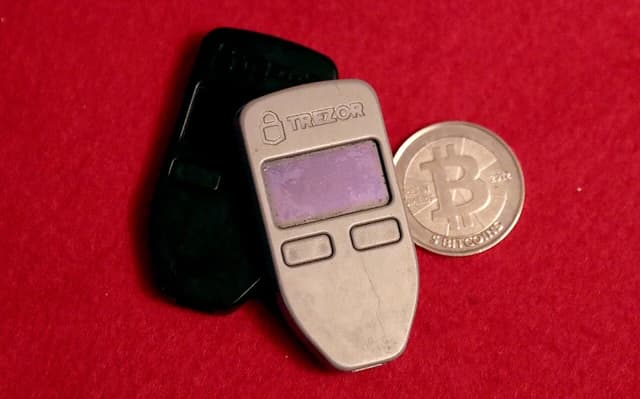
That distinction matters because most crypto debit cards still require customers to move assets into the issuer’s control before spending. For investors, that keeps the category exposed to the same reputational and counterparty risks that have dogged the sector through exchange failures and custody scandals, making wallet control a potential competitive advantage rather than a branding exercise.
BIX says it is also preparing a more direct wallet-linked spending model, which would let eligible card purchases draw against supported balances without a separate top-up. If delivered at scale, that would make the product behave more like a standard debit card attached to a self-custodied wallet, reducing friction for everyday use and helping crypto cards move closer to mainstream payments.
The company’s model still depends on third-party issuing arrangements and state-by-state approvals, underscoring that self-custody does not mean full independence from the banking and card network stack. BIX currently supports USDC and USDT across Ethereum, BNB Smart Chain, Base, Solana and Optimism, charges $9.99 for a virtual Visa card and says it is live in 29 US states, with a target of 49 within six to eight months.
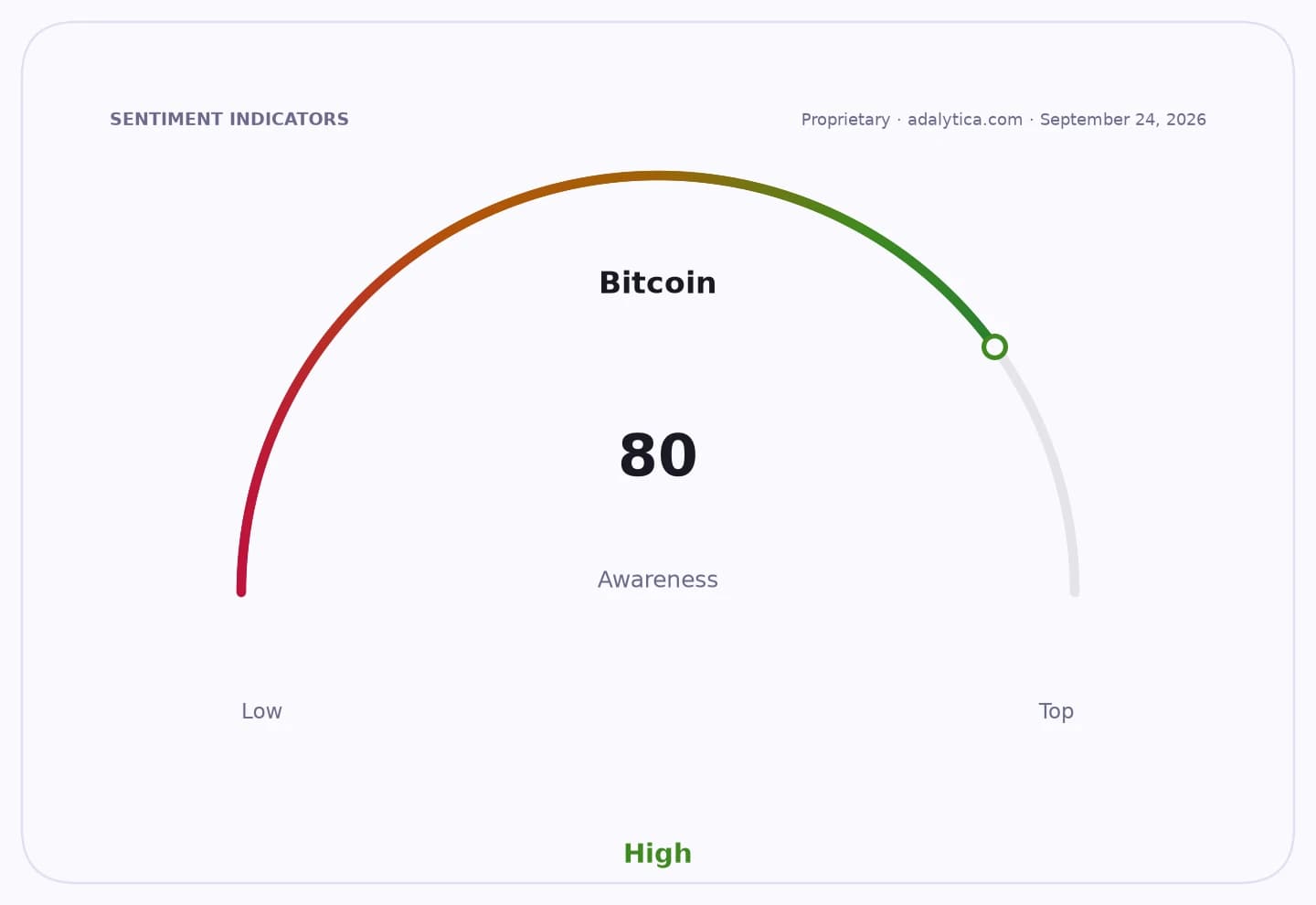
For the broader sector, the pitch lands at a moment when bitcoin sentiment remains in extreme-greed territory, according to Adalytica’s Bitcoin Fear & Greed Index, while investors continue to reward products that reduce custody risk and improve transparency. If BIX can expand coverage and prove the wallet-linked model works, it could force rivals to compete less on rewards and more on structure, a shift that would matter to payment networks, crypto platforms and users looking for a card that matches the promise of self-custody.
| Entity | Gains | Losses |
|---|---|---|
| BIX | ▲Differentiated self-custody pitch | ▼Smaller rivals using custodial cards |
| Crypto card users | ▲More control over wallet assets | ▼Cashback-led products |
| Visa | ▲More crypto-linked transaction volume | ▼Little direct change in custody risk |
| Custodial crypto card issuers | ▲— | ▼Pressure on rewards-based model |