France’s first bitcoin cashback program at a major retailer is a small pilot in scale, but a notable signal that crypto is moving further into everyday consumer spending. Starting Monday, 5,900 member-owners of COOP Normandie-Picardie will automatically receive 2% cashback in bitcoin on purchases of at least 100 euros a month, a partnership that links a regional supermarket group with Paymium, one of France’s longest-standing crypto exchanges.
COOP Normandie-Picardie launches bitcoin cashback pilot
The initiative matters less for the immediate sums involved than for what it says about bitcoin’s evolving role in retail finance. By embedding bitcoin rewards into routine grocery spending, the companies are trying to normalize crypto ownership without requiring shoppers to open a trading app or alter payment habits. That lowers the friction that has kept bitcoin largely speculative for mainstream consumers, while giving the supermarket group a new loyalty lever at a time when inflation and household budgets remain sensitive issues.
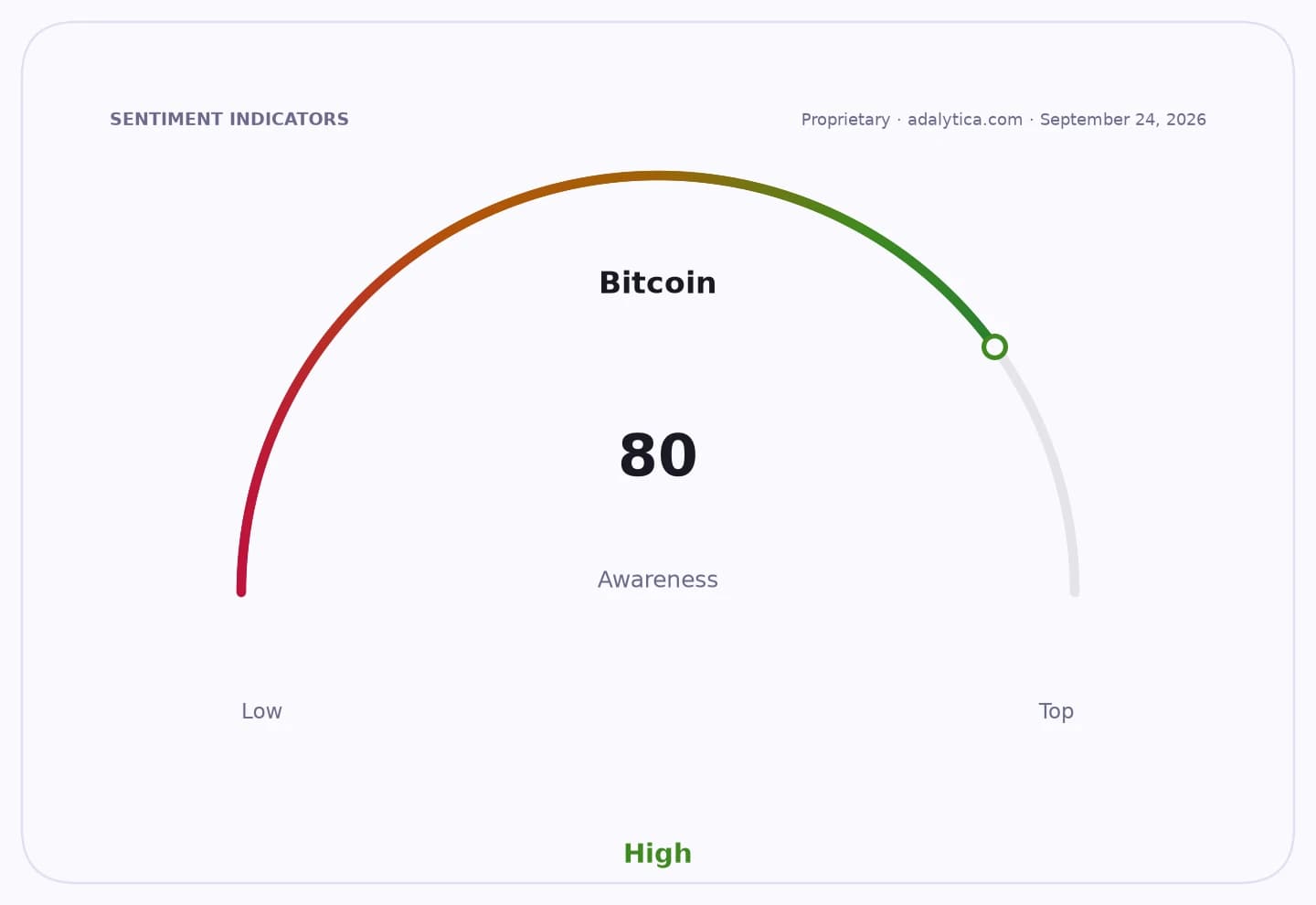
Sentiment IndicatorsⓘProprietary · adalytica.com · September 24, 2026
This is a snapshot — live sentiment, awareness and momentum for 130+ markets update continuously in the dashboard.Open AlphaPulse
For Paymium, the deal is also a regulatory and commercial marker. The exchange, founded in 2011, said it obtained MiCA authorization from France’s financial markets watchdog in June, giving it a more formal footing as Europe tightens oversight of digital assets. That matters for investors because distribution, compliance and trust are increasingly becoming the differentiators in crypto services, not just volatility and brand recognition.
The structure of the offer underlines the commercial logic. COOP Normandie-Picardie has 5,900 members across nine neighborhood stores under the U banner in Seine-Maritime. The cashback threshold of 100 euros a month is modest, but the automatic nature of the reward is designed to create repeat engagement rather than one-off curiosity. In consumer terms, it is a loyalty program with a crypto wrapper; in market terms, it is another example of how exchanges are trying to build user acquisition through everyday payments rather than speculation alone.
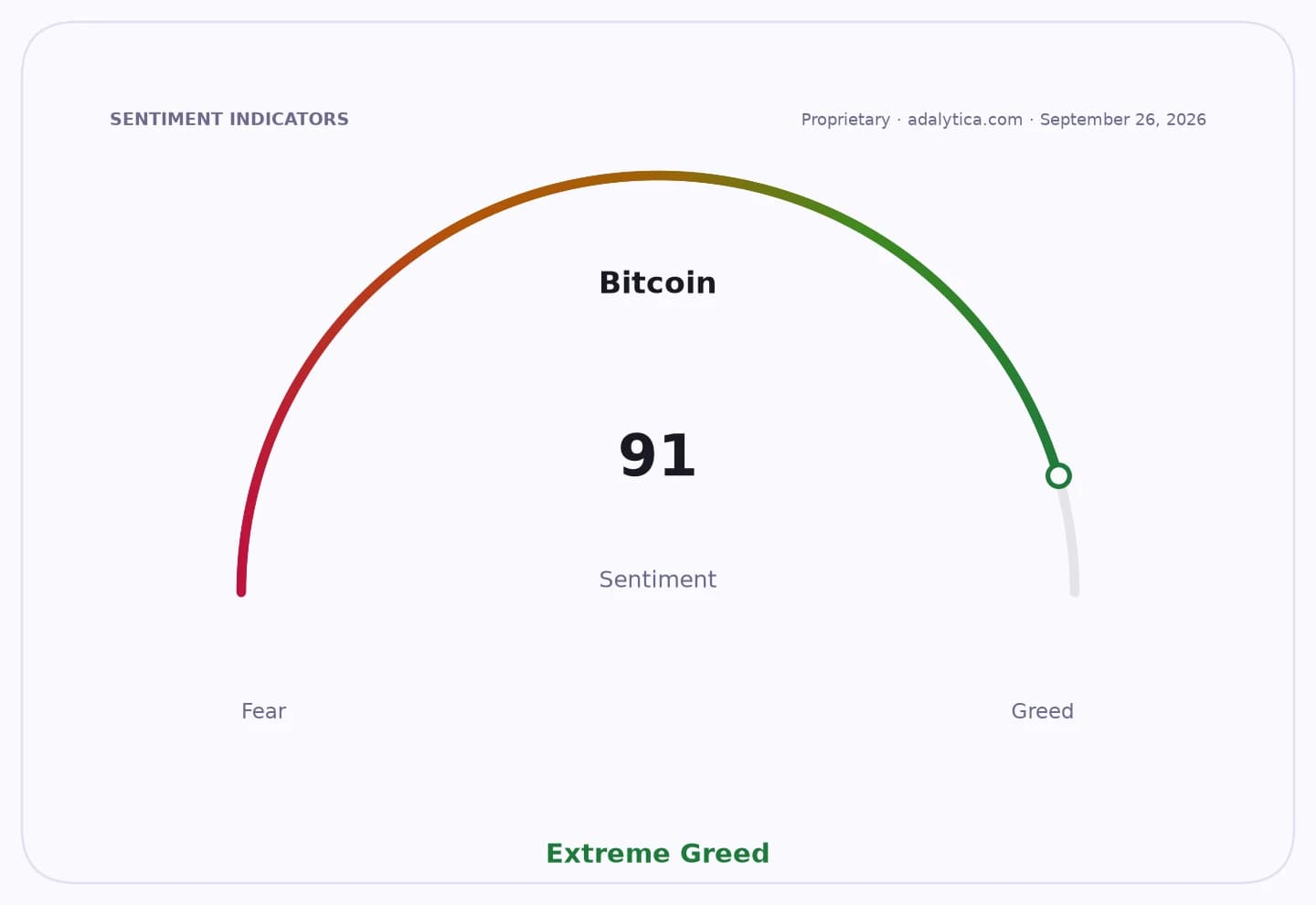
The timing also fits a broader crypto backdrop that remains supportive, even if prices have been volatile. Bitcoin was trading at $84,390.07 on Sept. 24, above both its 50-day moving average of $74,532.01 and 200-day average of $70,758.89, with RSI at 65.3, suggesting the market remains firm but not yet overstretched. Adalytica’s Bitcoin Fear & Greed Index was at 96, or “Extreme Greed,” pointing to elevated enthusiasm that can help adoption campaigns gain traction, but also raising the risk that retail interest is driven as much by momentum as by fundamentals.
Still, the bull case for the initiative is straightforward: if large retailers can make bitcoin rewards feel as mundane as airline miles or bank cashback, crypto adoption gets one step closer to the mainstream. The bear case is that reward programs do not prove bitcoin’s utility as money; they simply use its speculative appeal to market a loyalty scheme. Either way, the program is a reminder that the next phase of crypto competition may be fought at the checkout, not just on exchanges.
| Entity | Gains | Losses |
|---|---|---|
| COOP Normandie-Picardie | ▲Member loyalty | ▼Cashback cost |
| Paymium | ▲User acquisition | ▼Compliance burden |
| Bitcoin holders | ▲New retail demand | ▼Volatility risk |
| Traditional loyalty programs | ▲Competitive pressure | ▼Crypto-backed alternatives |