Black Friday’s growing online sales bonanza is becoming a bigger target for AI-powered fraud, and that is the real investable story for retailers, payment networks and cybersecurity firms heading into the holiday rush.
Black Friday Fraud Risks Rise for Retailers
Italy’s Codacons said Black Friday spending in the country will reach 4.3 billion euros, underscoring how deeply the event has shifted into digital commerce — and why scammers are following the money. The association warned that fake websites, fabricated reviews, phishing and deepfakes are becoming more sophisticated as artificial intelligence lowers the cost and raises the realism of fraud.
Sentiment Indicators
That matters economically because holiday shopping is built on urgency, scale and thin consumer attention. Those same conditions make it easier for criminals to impersonate brands, banks, payment platforms and couriers with convincing messages sent by email, SMS, WhatsApp and social media. Once trust is broken, the damage is not limited to stolen card data or a single bad purchase: it can raise chargebacks, increase fraud-prevention costs and erode conversion rates for legitimate merchants.
For investors, this is where the second-order opportunity emerges. The winners are not just the obvious cybersecurity names. Amazon, Walmart and PayPal all sit in the path of higher transaction volume and higher fraud exposure, and their shares can be punished if losses rise or if shoppers become more cautious online. Amazon’s own filings flag risks tied to fraudulent activity involving its systems and seller ecosystem, while PayPal has warned that evolving fraud can lift loss rates and pressure merchant and consumer confidence.
The market is still underestimating how quickly AI changes the economics of scams. In the past, fraud campaigns were easier to spot because they were sloppy. Now scammers can generate polished copy, clone voices and build realistic fake storefronts at scale, making each attempted theft cheaper and more believable. That shifts the burden onto the companies that secure identity, payments and commerce infrastructure — a secular tailwind for firms selling authentication, fraud detection, endpoint security and trust software.
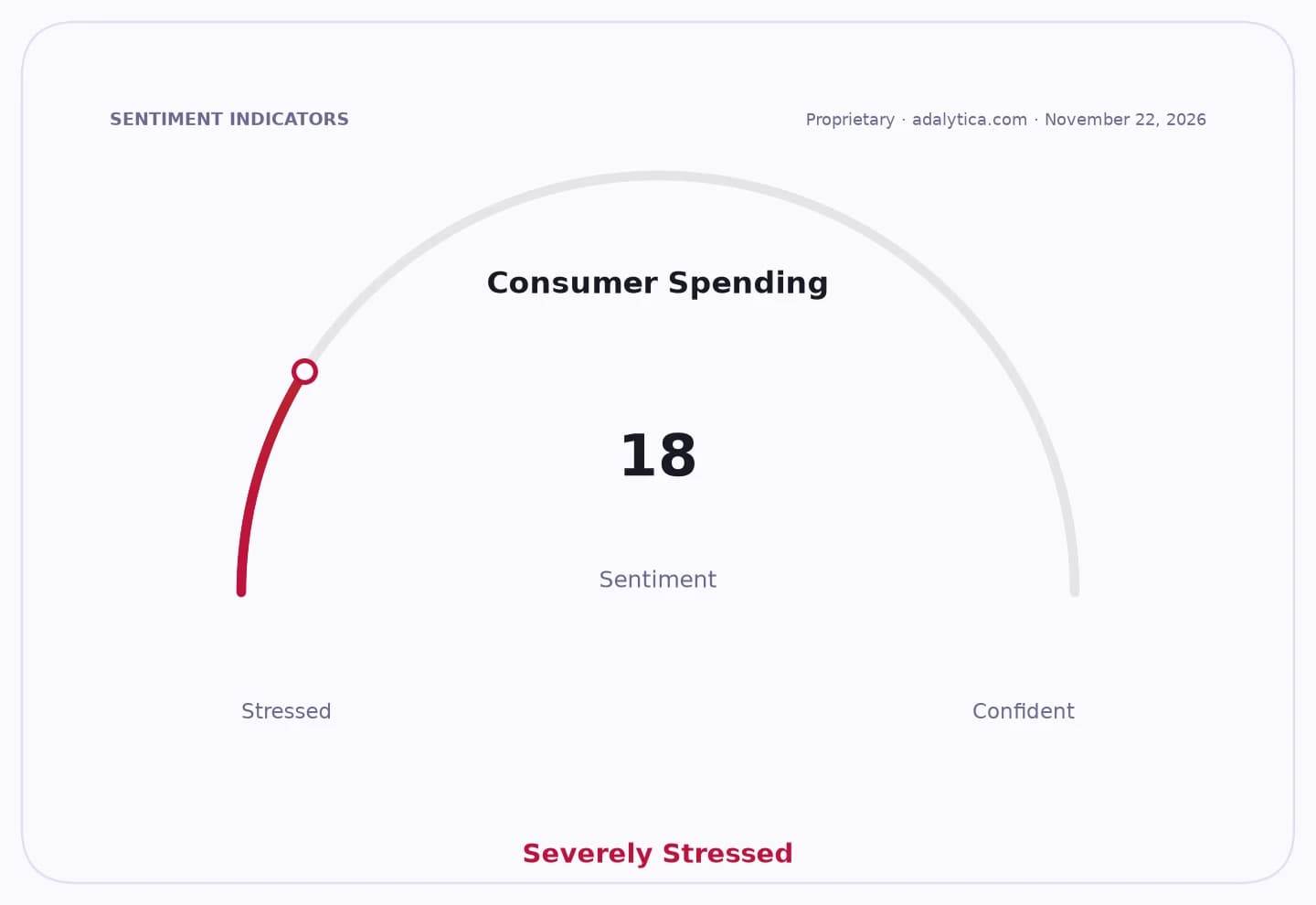
There is also a behavioral angle that matters for the next several quarters. If consumers become more wary around holiday promotions, conversion rates could weaken even when traffic rises. That would hurt the merchants most dependent on online urgency, while helping businesses that can prove identity, verify sellers and reduce friction without killing sales. In other words, the Black Friday scam problem is not just a consumer-protection story; it is a margin and trust story.
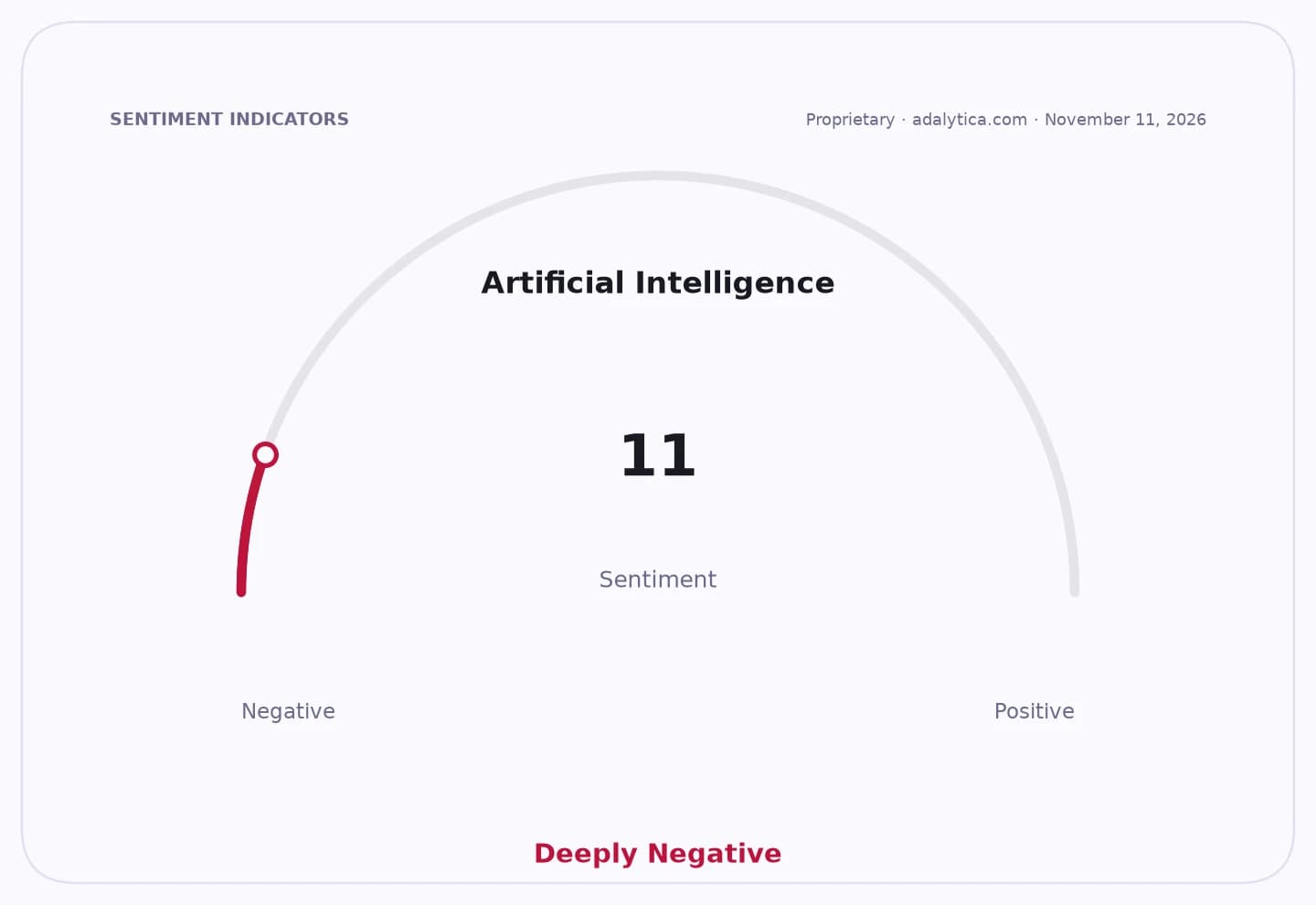
Adalytica’s AI sentiment gauge shows extreme awareness around the theme even as sentiment has slipped into fear, a sign that the market is already paying attention but may still be early to the implications. That is usually the setup for the best asymmetric trades: the fraud threat is obvious, but the spending cycle behind it is still only getting started.
For now, the practical takeaway is simple: the holiday season is no longer just a retail event, it is a stress test for digital trust. Investors should favor the companies that help merchants and consumers verify, authenticate and secure transactions — and be cautious on platforms where fraud can quietly eat into growth, take rates and goodwill.
| Entity | Gains | Losses |
|---|---|---|
| Cybersecurity firms | ▲Higher demand for fraud tools | ▼— |
| Amazon | ▲More holiday traffic | ▼Higher seller-fraud risk |
| PayPal | ▲More digital payments volume | ▼Higher loss rates |
| Scammers | ▲More AI-enabled reach | ▼Greater scrutiny |