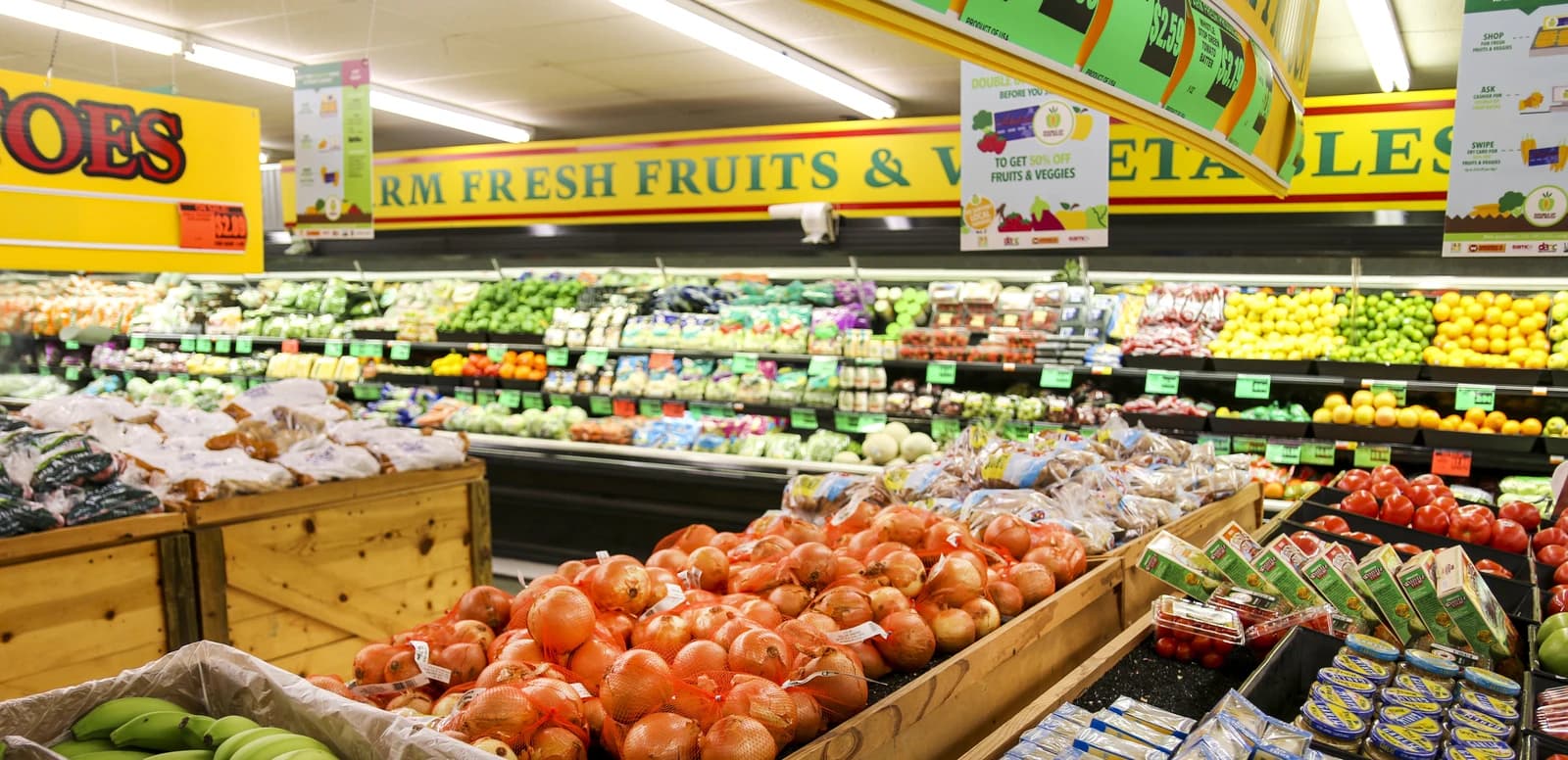
Hackers are increasingly going after supermarket freezers, and the reason matters far beyond one awkwardly visible piece of retail hardware: Europe’s food chains are becoming a new front line in cyberwarfare, where a breach can quickly turn into inventory loss, spoilage, store disruption and reputational damage.
Europe grocers face cyber risk and higher security spend
The concern is not just that criminals want access to retailer networks. It is that the same AI tools helping companies automate operations are also helping attackers scale phishing, reconnaissance and intrusion attempts faster than legacy defenses can respond. Costly outages in a grocery business ripple immediately through cold-chain logistics, payment systems, warehouse operations and supplier coordination — exactly the kind of operational choke point that can pressure margins in a low-margin sector.
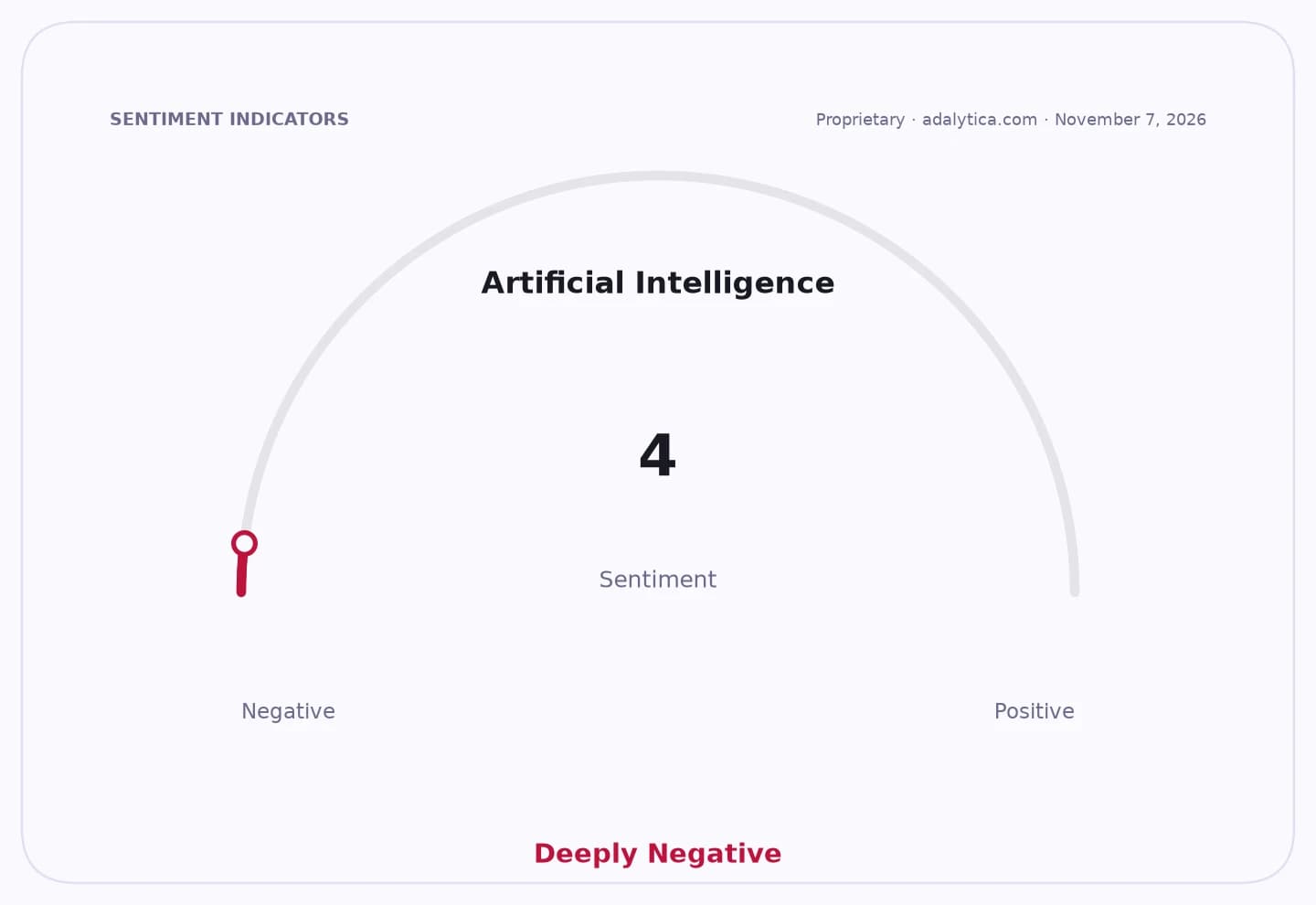
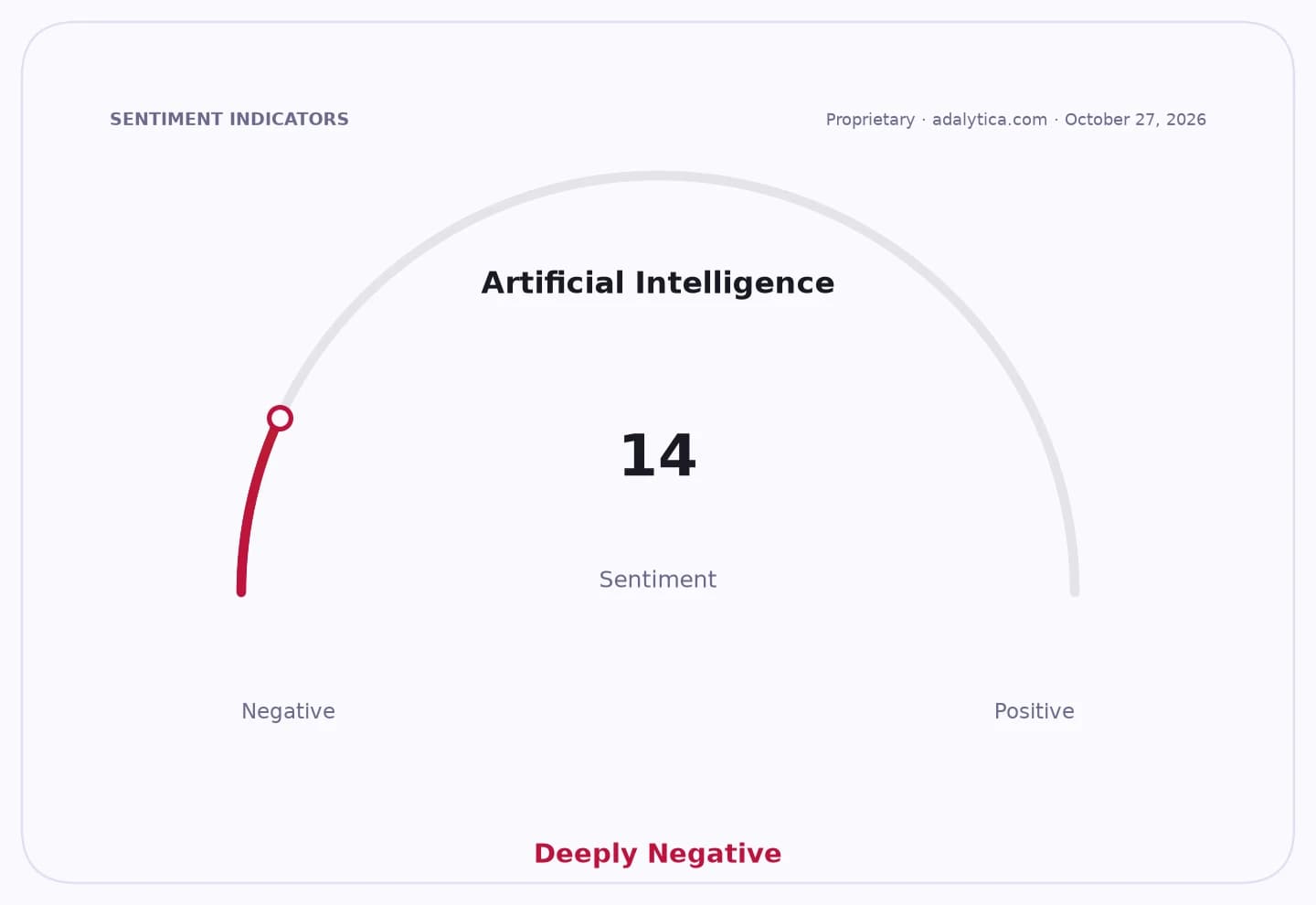
Sentiment Indicators
That makes the issue economically important for an industry already juggling tight pricing power, elevated labor costs and consumers who are still selective about what they buy. A supermarket chain cannot afford even short-lived disruption in refrigeration, because the damage shows up in spoiled inventory, emergency repairs, insurance claims and customer trust. In a business where pennies matter, cyber losses can quickly become earnings losses.
Investors are already signaling where the market wants to hide. Costco Wholesale, Kroger and Walmart have all held up well on the tape, with Costco recently pushing back above $1,047, Walmart trading around $129 and Kroger near $69. The moves suggest investors still prefer large, operationally disciplined retailers with scale, logistics muscle and the balance-sheet capacity to absorb shocks. Costco’s stock is trading above both its 50-day and 200-day moving averages, while Walmart’s shares sit above both trend lines as well, underscoring the market’s willingness to pay for resilience.
The deeper opportunity, though, may be in the cybersecurity layer rather than the grocers themselves. Retailers are being forced to spend more on endpoint protection, network monitoring, backup systems and identity security — all areas where vendors like Palo Alto Networks, CrowdStrike and Fortinet sit squarely in the path of rising demand. Their own filings warn that AI is accelerating the speed and sophistication of attacks, which is exactly why the sector’s spending cycle is likely to keep expanding.
The market underestimates how much this changes the retail capex story. AI is not just a productivity tool for supermarkets; it is also an accelerant for attackers trying to exploit the weakest link in food supply chains. That means the winners are likely to be the retailers with the strongest security budgets and the cyber vendors selling the digital locks, not the operators left patching legacy systems after the fact.
For investors, the takeaway is straightforward: treat retail cyber risk as a structural cost of doing business and position accordingly. I believe the best asymmetric exposure is in cybersecurity names tied to critical infrastructure protection, while the most durable grocers will be the ones with scale, automation and the balance sheet to absorb the next breach without a margin reset.
| Entity | Gains | Losses |
|---|---|---|
| Cybersecurity vendors | ▲Higher security spending | ▼None directly |
| Large grocers | ▲Scale advantage | ▼Smaller rivals |
| Hackers | ▲Spoilage leverage | ▼Better defenses |
| Consumers | ▲More secure supply chains | ▼Higher compliance costs |