A three-person indictment in New York over an alleged $129 million AI-enabled impersonation scheme has intensified scrutiny of how quickly generative tools are being weaponized against corporate finance teams, banks and law firms.
NY AI Impersonation Case Raises Fraud Risks
Prosecutors said Jacob Soall, Sharon Hazan and Guy Sheetrit used voice cloning, fake video calls and email impersonation to pose as chief executives and attorneys, then pressured accounting staff to send large wires to accounts across multiple countries. The case matters well beyond the criminal charges: it exposes a fast-evolving weakness in the plumbing of global commerce, where one convincing message can override controls built around trust, urgency and hierarchy.
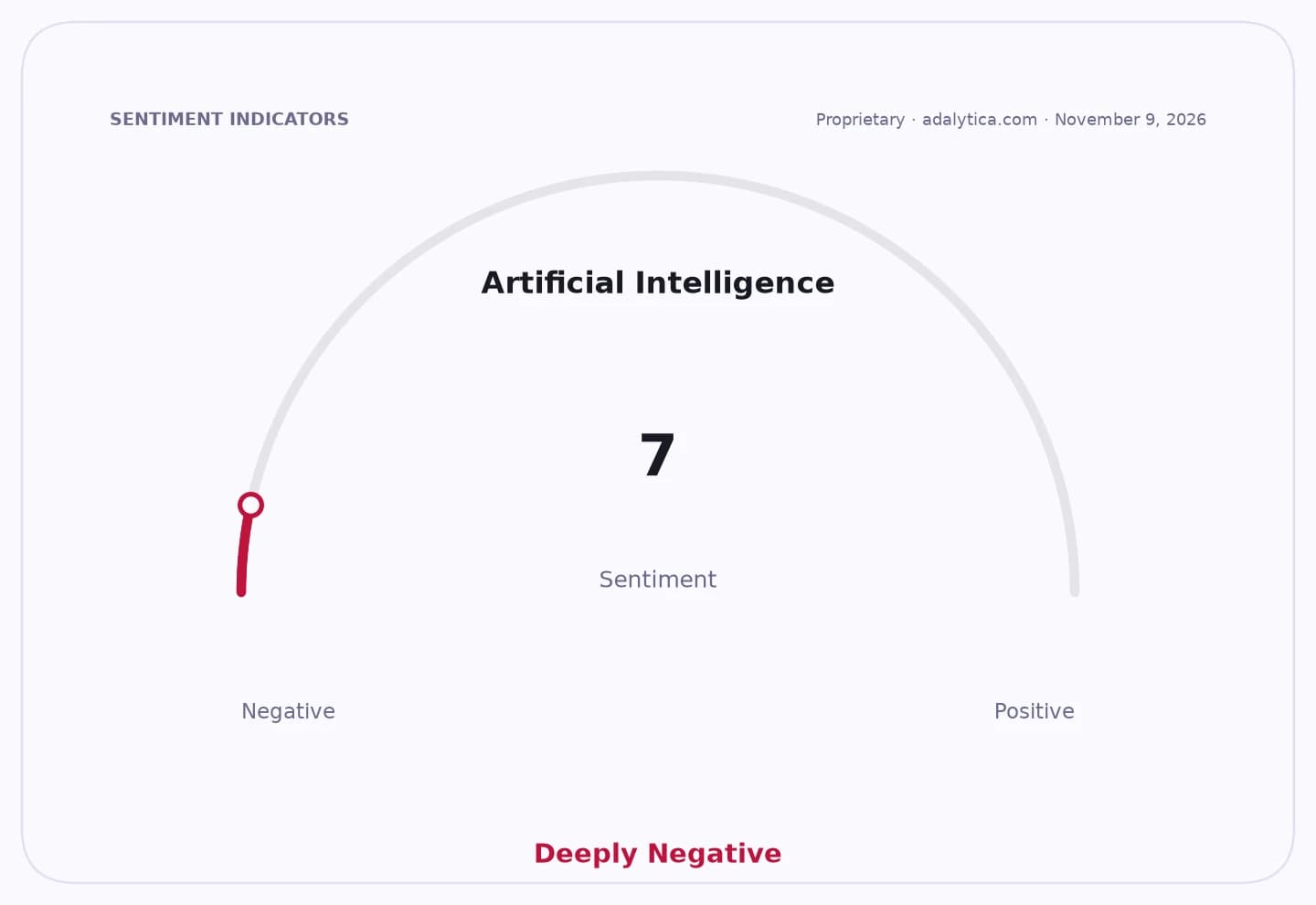
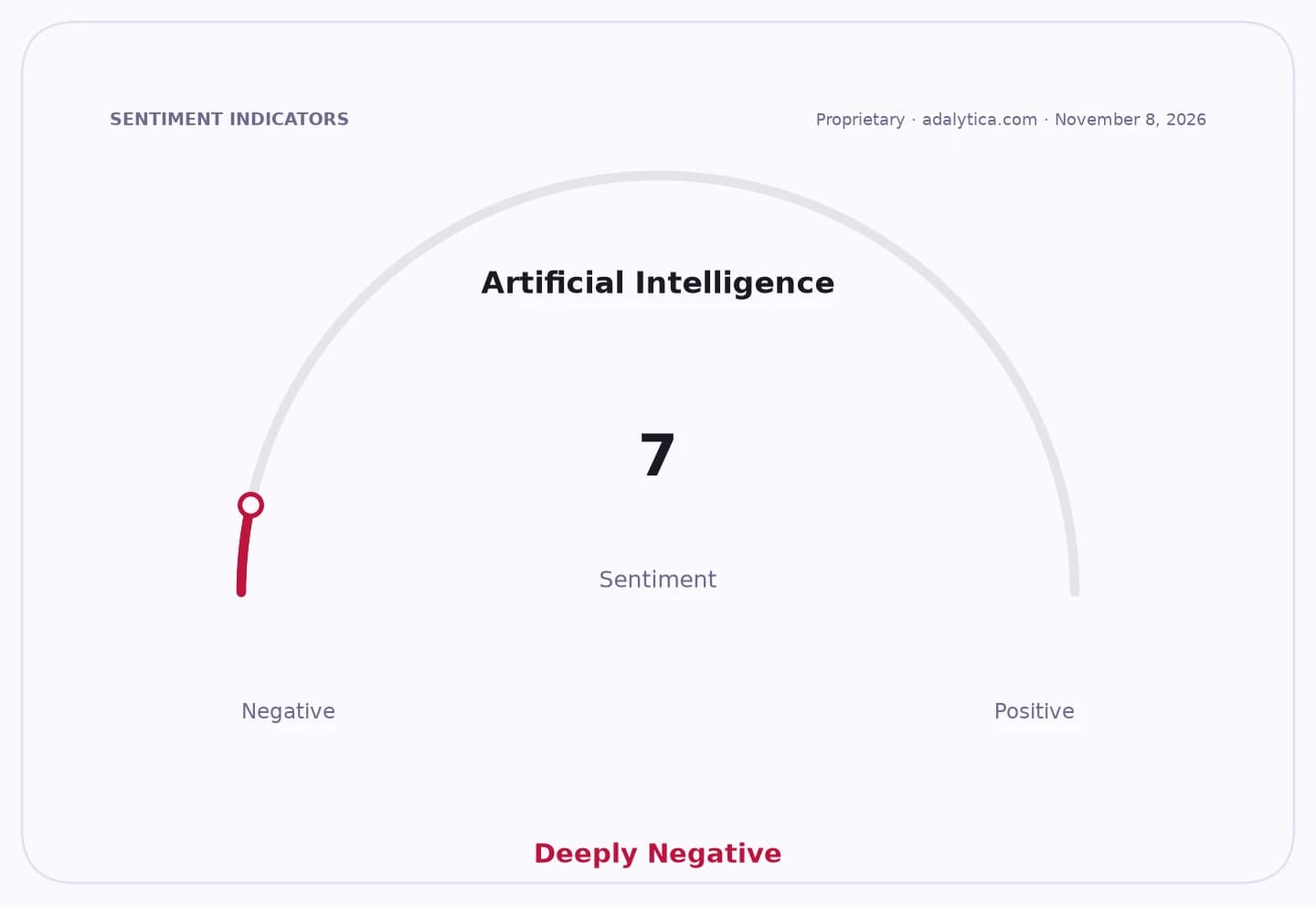
Sentiment Indicators
The victims spanned hospital systems, a bank, a fintech company, a mutual fund firm and a pet food maker, underscoring that the target set is not limited to any one industry. For investors, that raises the odds of higher fraud losses, heavier compliance spending and more demand for verification tools across payments, cybersecurity and enterprise software. It also reinforces the case that AI adoption is not only a productivity story; it is increasingly a risk-management story.
The alleged operation was notable for its scale and sophistication. Prosecutors said the group targeted thousands of companies over more than a year and a half, using AI to mimic executives’ voices and sometimes images in calls designed to make routine payment requests look authentic. The defendants then allegedly escalated the ruse by directing employees to speak with a purported attorney, another identity they were prepared to fake.
That workflow exploits a vulnerability that is familiar to corporate treasurers and auditors: approved payments often move fastest when they appear to come from senior leadership or outside counsel. AI now lowers the barrier for criminals to manufacture that authority at scale, making social engineering cheaper, faster and harder to detect. The alleged conversion of stolen funds into cryptocurrency also shows how digital assets can be used to obscure the trail once money leaves the traditional banking system.
For technology and enterprise investors, the case cuts two ways. On one hand, it strengthens the long-term market for identity verification, secure communications, fraud analytics and managed detection products. On the other, it adds to the reputational and regulatory risk around AI itself, particularly as companies deploy agentic systems and wider automation across finance, support and internal workflows. The same tools being marketed to improve efficiency can also be repurposed to mimic authority and bypass controls.
Microsoft, Alphabet and Meta have all flagged in recent filings that AI can be exploited by malicious actors and that interaction with AI systems raises cybersecurity risks. Those disclosures are likely to draw more attention if similar cases proliferate, especially as regulators weigh whether current fraud and cybersecurity rules are sufficient for AI-generated impersonation. Australian lawmakers have already moved toward stricter incident reporting tied to AI technologies, a sign that policy responses could broaden beyond the U.S.
The immediate investment implication is not a direct earnings hit for one company, but a broader increase in the cost of trust. Banks, payments processors, cloud platforms and software vendors may face pressure to add stronger voice authentication, transaction verification and employee training, while insurers and legal advisers may need to revisit coverage language and liability exposure. If the fraud pattern spreads, the winners are likely to be firms selling security and identity tools; the losers are companies and intermediaries that rely on weak human verification in high-value transfers.
| Entity | Gains | Losses |
|---|---|---|
| Cybersecurity and identity firms | ▲Higher demand for fraud detection | ▼None directly |
| Banks and payments firms | ▲Stronger controls may reduce future losses | ▼Higher compliance and fraud costs |
| Companies with weak payment checks | ▲None | ▼Greater exposure to impersonation fraud |
| AI developers and users | ▲Accelerated demand for safer AI controls | ▼More scrutiny, regulation and liability risk |