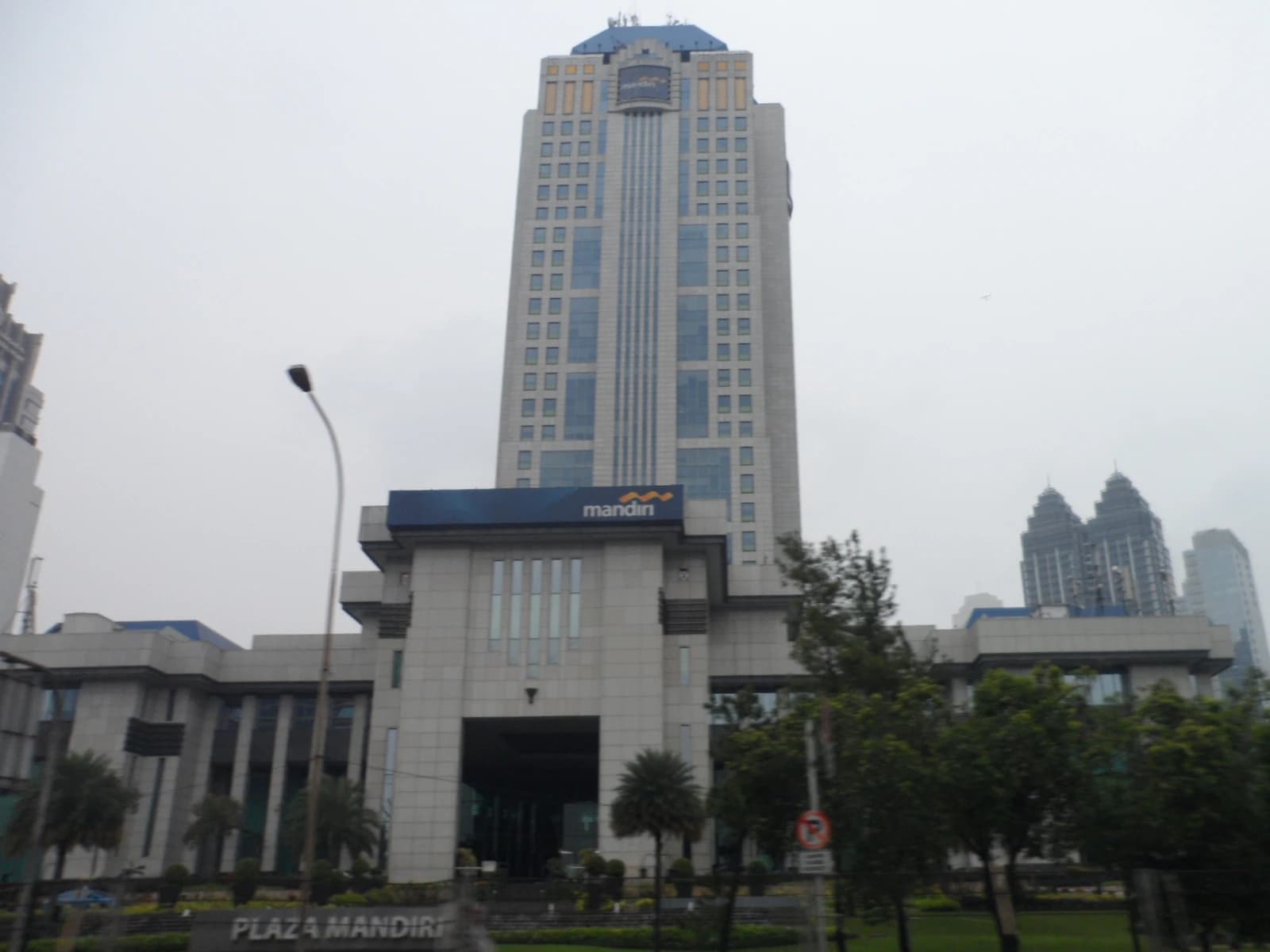
A cyberattack on Crédit Mutuel Arkéa that triggered fraudulent transactions and losses of about 100 million euros has put a fresh spotlight on the cost of digital vulnerability in banking, where a single breach can quickly translate into direct financial damage, regulatory scrutiny and heavier security spending.
Crédit Mutuel Arkéa reports 100 million euro cyber loss

The French lender said the incident involved unauthorized transactions over several days, underscoring how cybercriminals are moving beyond data theft to monetized attacks that hit banks’ balance sheets. At roughly $133 million, the loss is large enough to matter for earnings even at a sizeable retail bank, and it arrives at a time when investors are already sensitive to the expense of defending payment systems, customer data and internal controls.
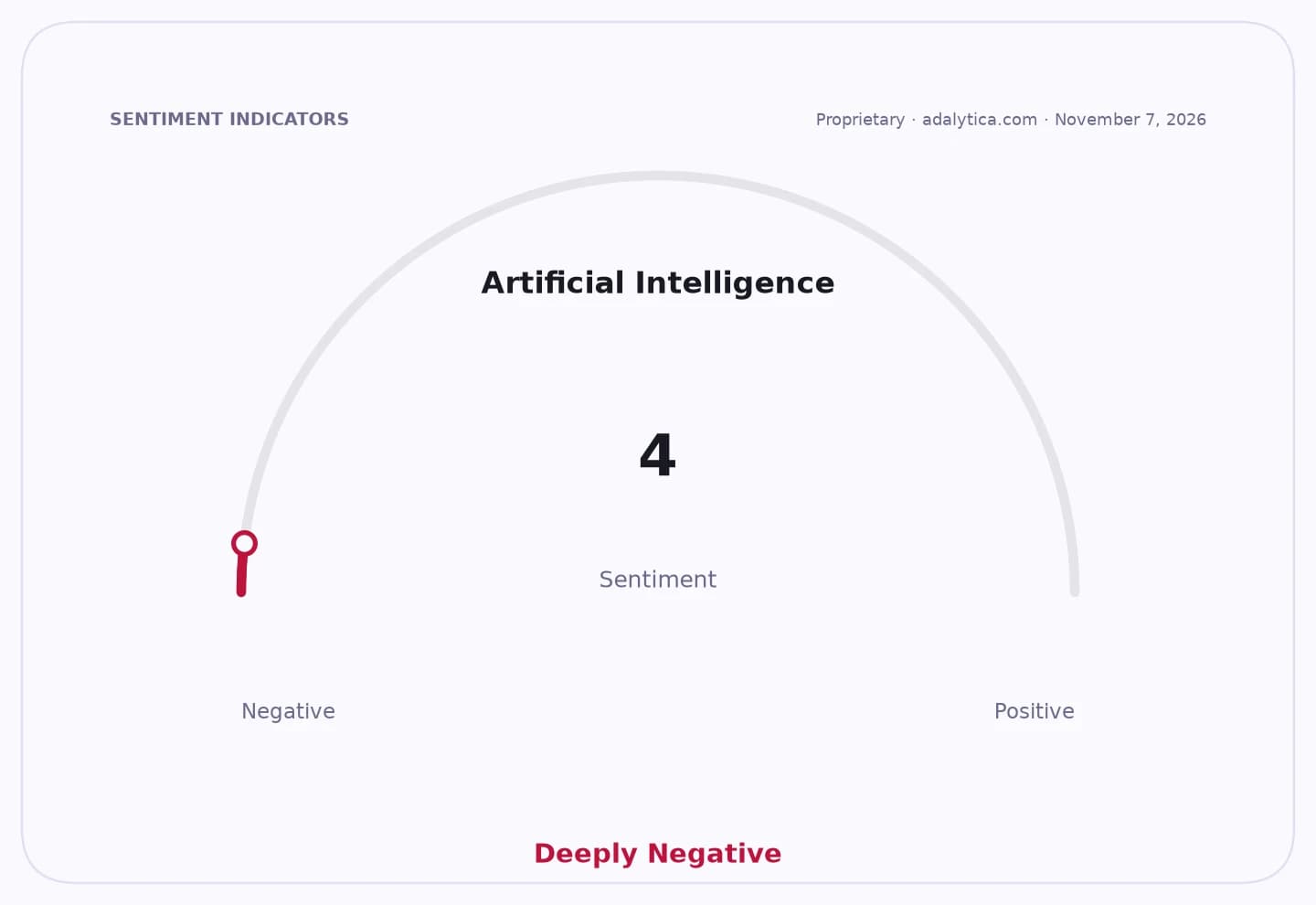
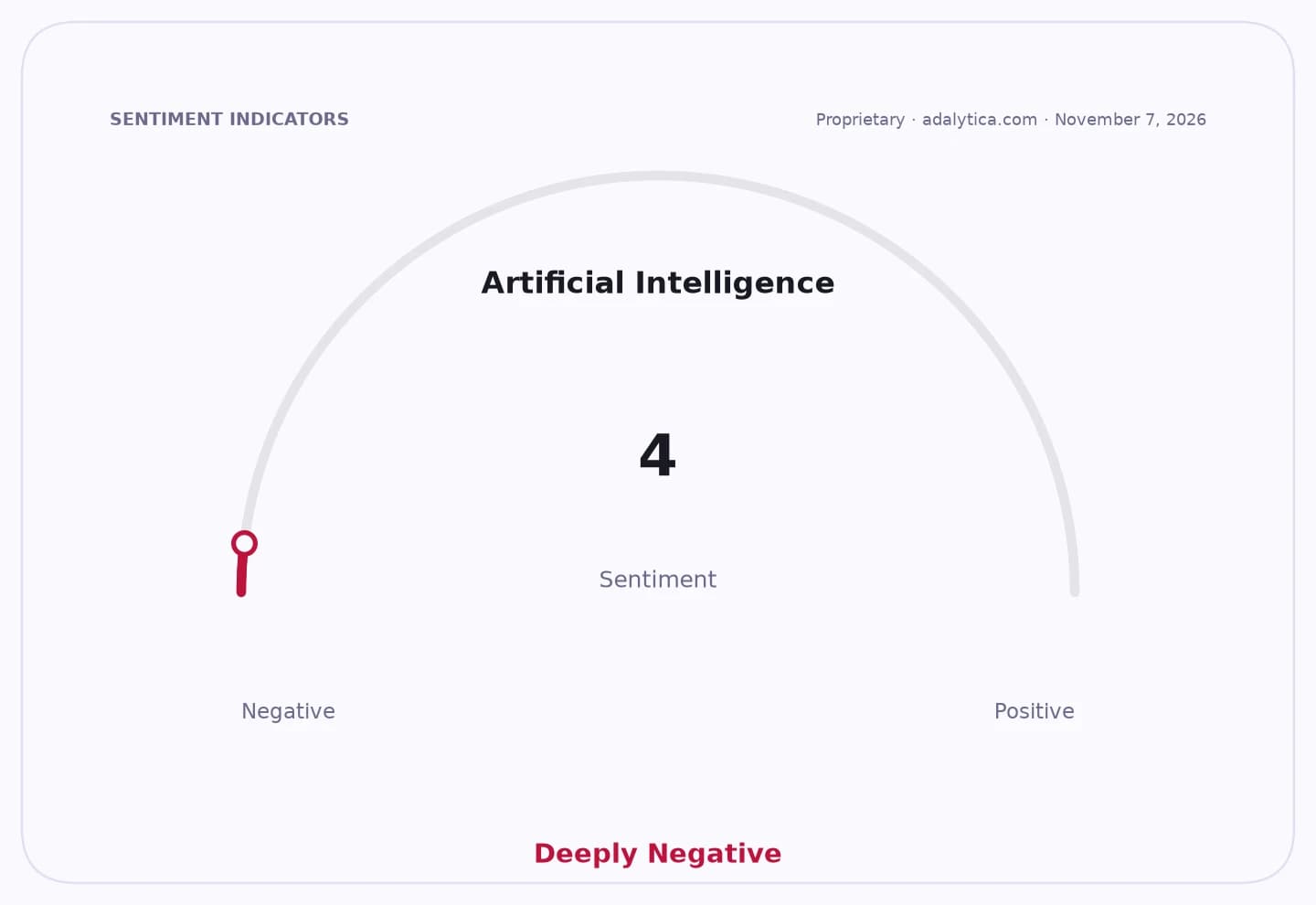
Sentiment Indicators
The episode matters economically because banks are systemically exposed to operational shocks that can ripple through confidence, funding costs and compliance burdens. A fraud event of this scale can force management to absorb losses, strengthen monitoring and potentially face remediation costs, while also raising questions about whether existing controls were adequate. For regulators, it reinforces the need to press lenders on resilience testing, incident response and third-party risk, especially where core processes are outsourced or interconnected across vendors.
For investors, the immediate issue is not just the one-off charge but the possibility of a broader reset in cyber risk assumptions across the sector. Banks with larger retail franchises, heavier reliance on digital channels or more complex vendor networks may see greater scrutiny on their risk controls and insurance coverage. The market typically distinguishes between firms that can contain incidents quickly and those that suffer prolonged disruption, since the latter face more severe reputational damage and potentially higher long-term compliance costs.
The broader narrative is that financial institutions are becoming less tolerant of cyber losses as attacks become more sophisticated and more commercial in intent. Even if the direct hit is manageable for a bank of Crédit Mutuel Arkéa’s size, repeated incidents across the industry can lift the baseline cost of doing business, support greater spending on security infrastructure and keep operational risk near the top of management agendas. That leaves lenders with a familiar trade-off: invest more upfront in defense or risk larger losses later.
For now, the key investor takeaway is that cyber risk is not a remote tail event but an operating expense with earnings consequences. The next focus will be on whether the bank can quantify the full impact, how quickly it closes the vulnerability and whether the incident prompts fresh warnings from peers and supervisors.
| Entity | Gains | Losses |
|---|---|---|
| Cybersecurity vendors | ▲Higher demand for defenses | ▼ |
| Banks with strong controls | ▲Relative trust premium | ▼ |
| Crédit Mutuel Arkéa | ▲ | ▼Direct fraud losses, reputational hit |
| Bank investors | ▲Clearer risk pricing | ▼Higher compliance and remediation costs |