A $129 million fraud indictment in the U.S. is the clearest sign yet that AI-powered impersonation has moved from nuisance to enterprise risk, and that shift is likely to keep cybersecurity spending elevated for years.
AI Fraud Case Lifts Cybersecurity Spending Outlook
Three people were charged with using AI-driven voice and identity cloning to pose as corporate executives and lawyers, tricking thousands of companies over an 18-month stretch. The case is a reminder that artificial intelligence is not only a productivity engine for legitimate businesses — it is also a force multiplier for criminals who want to bypass old-school verification methods.
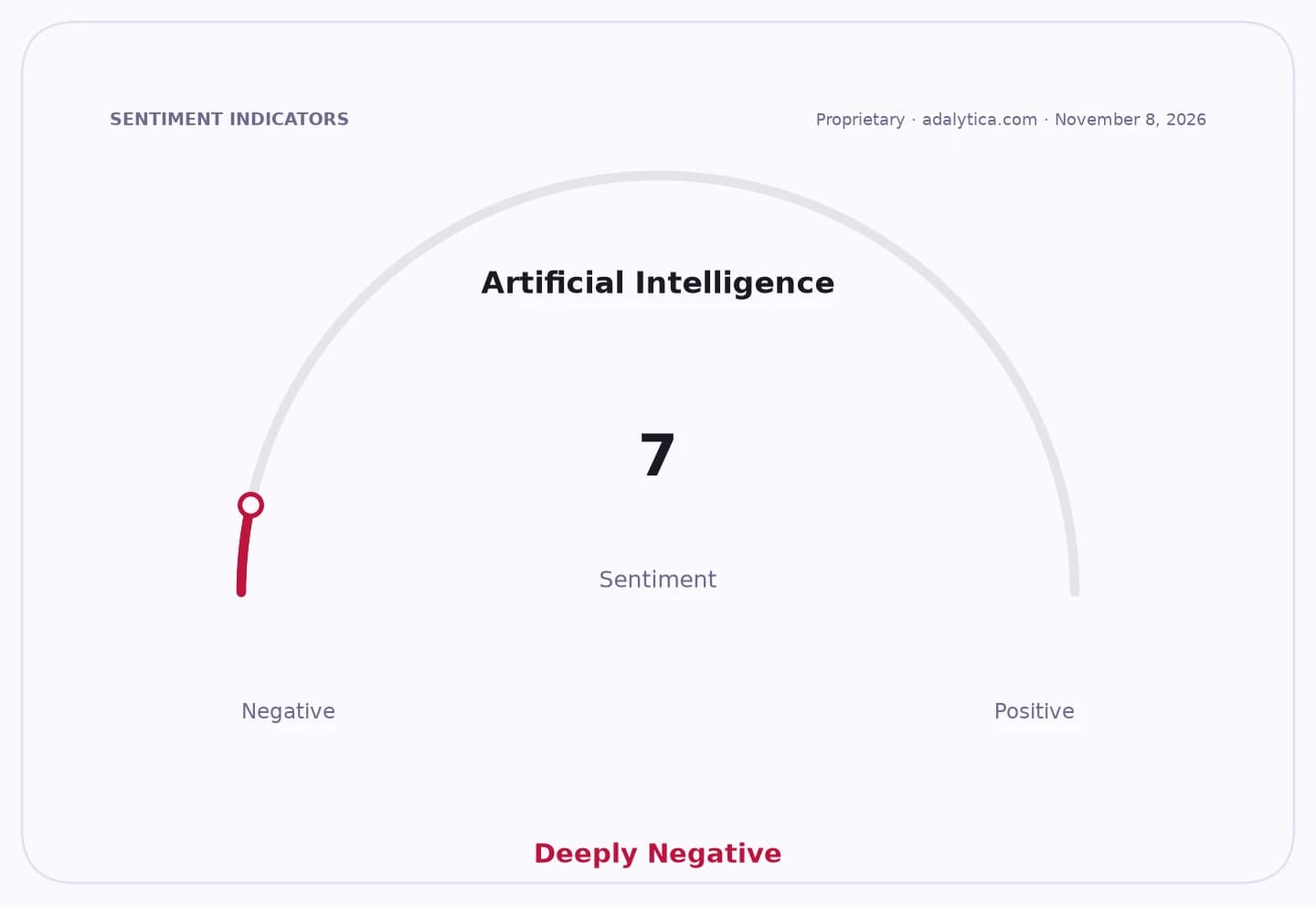
Sentiment Indicators
That matters economically because fraud is no longer just a back-office loss item. If a scam can convincingly mimic a chief executive, a legal department or a vendor in seconds, companies have to spend more on identity verification, employee training, authentication software and incident response. In other words, AI can raise the cost of doing business even as it boosts efficiency in other parts of the economy.
For investors, that is a tailwind for cybersecurity. The market already treats companies such as CrowdStrike and Palo Alto Networks as core beneficiaries of the AI security arms race, and the fundamentals still support that view. CrowdStrike shares have surged this year even after a sharp pullback, while Palo Alto Networks has also held up far better than the broader market in some stretches, reflecting demand for tools that can detect fast-moving threats across endpoints, identities and cloud systems.
The bigger point is that AI fraud is not a one-off headline. It is part of a broader pattern in which attackers use the same technologies companies are racing to adopt. Adalytica’s AI sentiment gauge is in extreme fear, which tells you investors are increasingly aware that the risk is real even if the scale of damage is still early. That fear can be healthy if it pushes boards and management teams to harden defenses before a larger wave of losses forces their hand.
The opportunity for long-term investors is not to chase every security stock on every scare, but to recognize the durable spending cycle underneath. As fraud tactics get more sophisticated, enterprises will keep paying for better detection, verification and automated response. That should support the secular growth case for cybersecurity leaders, even if their shares remain volatile.
For patient investors, this is a classic “need-to-have” category, not a fad. AI scams are likely to become more convincing, not less. The companies that make them harder to pull off should remain worth watching, and likely worth owning over a multiyear horizon.
| Entity | Gains | Losses |
|---|---|---|
| Cybersecurity firms | ▲Higher demand for protection tools | ▼Fewer crisis-driven switching gains |
| Corporate buyers | ▲Better fraud defenses | ▼Higher security budgets |
| Fraudsters | ▲More sophisticated attack methods | ▼Greater law-enforcement scrutiny |
| Investors in cybersecurity | ▲Long-term growth tailwind | ▼Near-term valuation volatility |