Palo Alto Networks is in talks to buy Israeli AI security startup Clutch Security for about $500 million, a deal that would deepen the cyber group’s push into protecting enterprises from AI-powered threats at a time when the category is heating up.
Palo Alto Networks in talks to buy Clutch Security

The reported discussions, first flagged by The Information, are not final and could still fall apart. But even a mid-three-figure purchase would underscore how quickly large cybersecurity vendors are moving to lock up specialist AI security technology as companies rush to deploy AI agents and new model-based workflows.
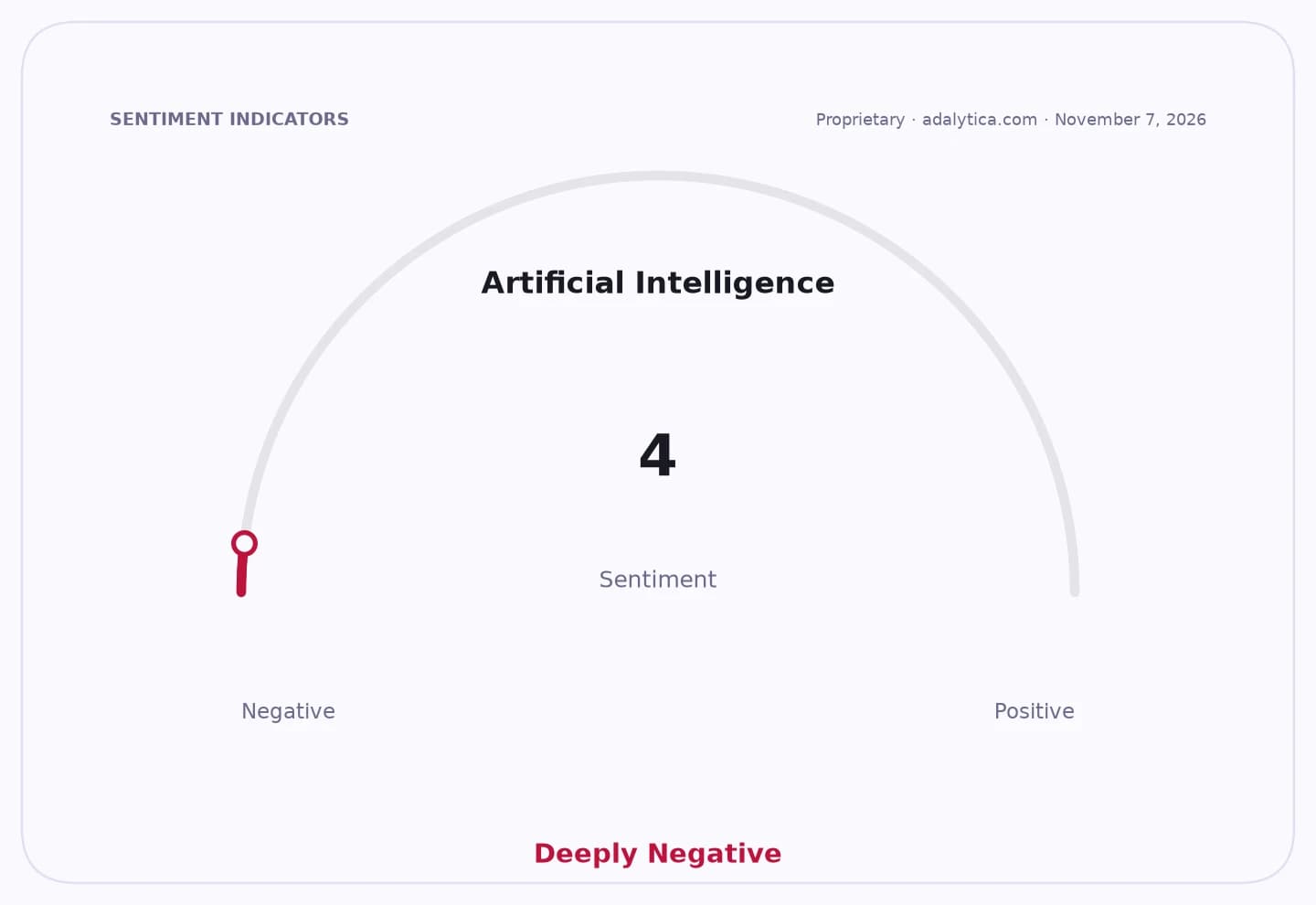
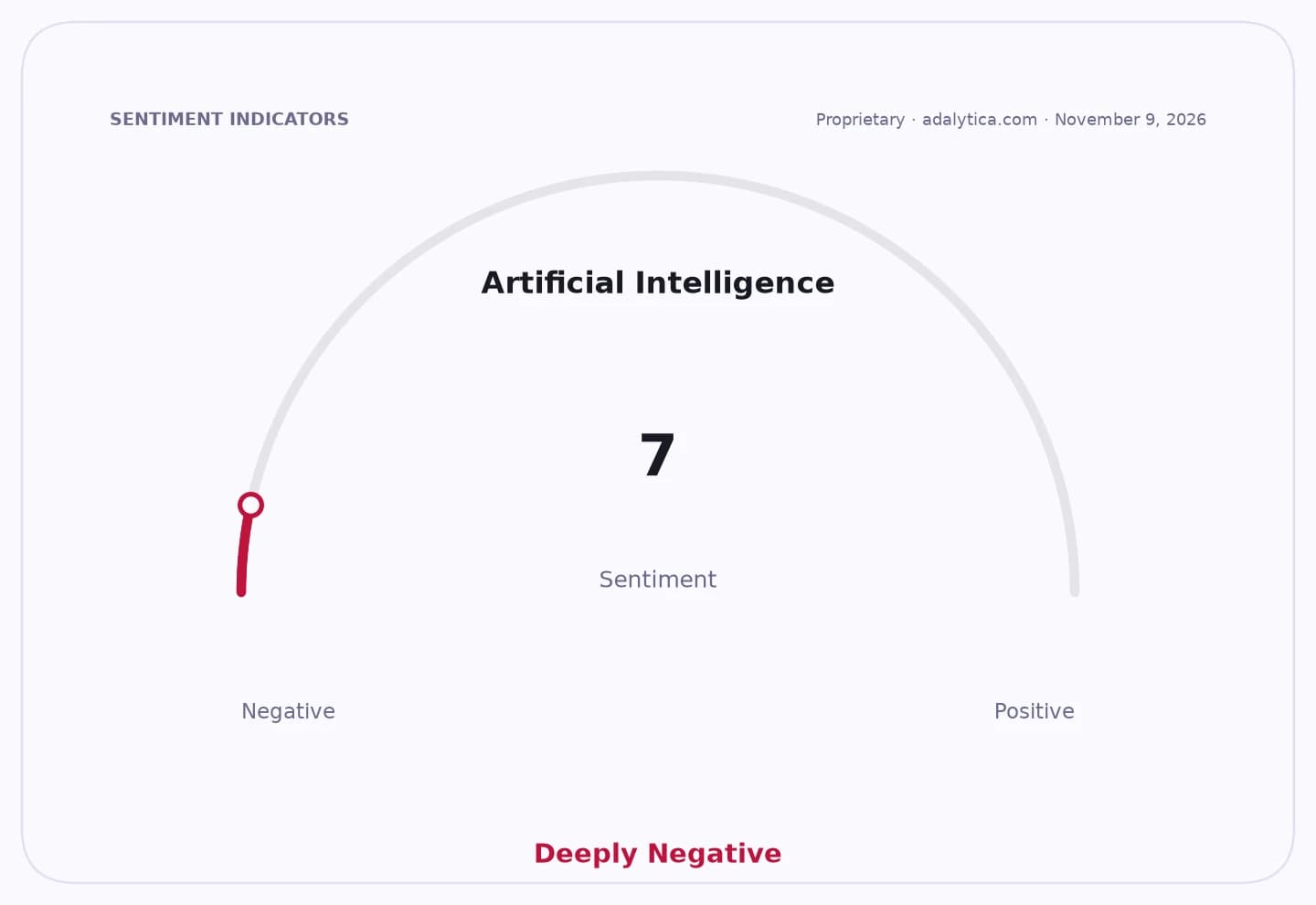
Sentiment Indicators
For Palo Alto, the logic is strategic as much as financial. The company has already positioned itself as an AI cybersecurity provider and has been adding products aimed at threats created by next-generation AI models. Buying Clutch would give it a narrower, more specialized toolset for a fast-growing niche where enterprises need real-time controls around AI systems, identity and agent behavior.
The timing also matters for the broader sector. Fortinet has recently launched its FortiGuard Inline AI Security Service, while CrowdStrike, Zscaler and others are also expanding AI-related defenses as threat actors adapt to the new technology. Security vendors increasingly say AI-native attacks can shorten the time between vulnerability discovery and exploitation, raising the stakes for customers and vendors alike.
Investors have already been treating Palo Alto as one of the market’s key AI security plays, even after a recent pullback in the shares. The stock closed at $313.84 on Nov. 6, below its 50-day moving average of $370.30, while its relative strength index sat at 39.4, suggesting the recent selloff has cooled a previously overbought trade.
A Clutch acquisition would also fit Palo Alto’s long-running acquisition strategy, but it comes with execution risk. The company has warned in filings that takeovers can absorb management attention, bring integration challenges and fail to deliver expected benefits, even as they can accelerate product development and broaden customer offerings.
For investors, the main question is whether Palo Alto can turn deal-making into faster growth in a cyber market where AI security is becoming a new competitive battleground. Any confirmation of a transaction — or a collapse in talks — will likely be read as a signal on how aggressively the company plans to spend to defend its lead in enterprise security.
| Entity | Gains | Losses |
|---|---|---|
| Palo Alto Networks | ▲AI security capabilities | ▼Cash and integration risk |
| Clutch Security | ▲Exit at about $500M | ▼Independence |
| Rivals: Fortinet, CrowdStrike, Zscaler | ▲Sector validation | ▼Loss of niche differentiation |
| Investors | ▲Bigger AI security market | ▼Deal uncertainty |