Bleisure travel is becoming more than a buzzword, and that matters because it points to a durable shift in how people book trips, spend money and choose where to stay. As workers stitch business and leisure into the same itinerary, hotels and home-rental platforms with strong brands, loyal customers and global reach are getting a bigger share of travel dollars.
Bleisure Travel Supports Hotel and Home-Share Demand

That trend is economically important because bleisure encourages longer stays, higher room revenue and more spending on food, experiences and local transport. It also helps smooth demand for travel companies by blending corporate trips with discretionary vacation spend, which can make revenue less cyclical over time. For investors, that is the kind of mix that can support pricing power and free cash flow through good times and bad.
Sentiment IndicatorsⓘProprietary · adalytica.com · July 26, 2026
This is a snapshot — live sentiment, awareness and momentum for 130+ markets update continuously in the dashboard.Open AlphaPulse

Marriott and Hilton are positioned to benefit because their networks already serve both the business traveler and the vacationer. Marriott’s stock has climbed sharply over the past year and still trades above its long-term trend, while Hilton has also held onto a strong premium valuation even after a recent pullback. That suggests investors are willing to pay up for companies that can monetize this hybrid travel behavior. Airbnb is part of the same story from a different angle: its platform gives travelers more flexibility when they want to add days before or after a work trip, or extend a stay in a city where hotel rates can be high.
The fundamentals back up that thesis. Marriott’s latest results showed resilient occupancy and room-rate growth across major regions, while Hilton has continued to post steady demand and remains well above its 200-day moving average. Airbnb’s business has been more volatile, but its scale and broad supply make it a natural beneficiary of trips that blur the line between work and play. In other words, bleisure is not just about one more night in a hotel room; it is about a structural increase in the addressable market for travel companies that can capture it.
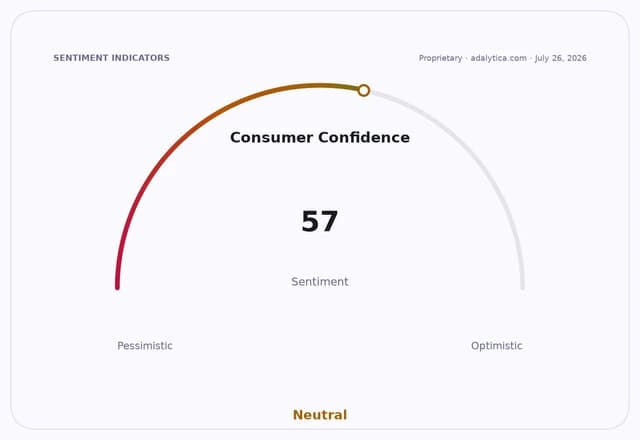
There are risks, of course. Consumer spending sentiment has weakened, and the broader market is flashing fear, which could pressure discretionary travel if households tighten budgets. Business travel also never disappears from the economy completely, but it can slow when growth cools. Still, bleisure is attractive precisely because it sits in the middle of necessity and choice, making it more resilient than pure vacation demand.
For long-term investors, the key question is not whether bleisure is a fleeting trend. It is whether the companies serving it have the brands, technology and global scale to compound for years. Marriott, Hilton and Airbnb all have different routes to that opportunity, but they are each tied to a travel pattern that looks increasingly embedded in modern work life. If you are building a diversified portfolio for the next decade, this is a theme worth watching and, for patient investors, adding to the watchlist.
| Entity | Gains | Losses |
|---|---|---|
| Marriott | ▲Higher room revenue | ▼More exposure to travel slowdowns |
| Hilton | ▲Stronger pricing power | ▼Valuation risk if demand softens |
| Airbnb | ▲More extended-stay bookings | ▼Pressure from hotel competition |
| Travelers | ▲More flexible trips | ▼Higher total trip costs |