BMW’s next 3 Series is shaping up to be a reminder that the internal-combustion engine still has a place in the premium car market, even as Europe tightens emissions rules and the industry races toward electrification.
BMW 3 Series Gets 443 HP M350 xDrive
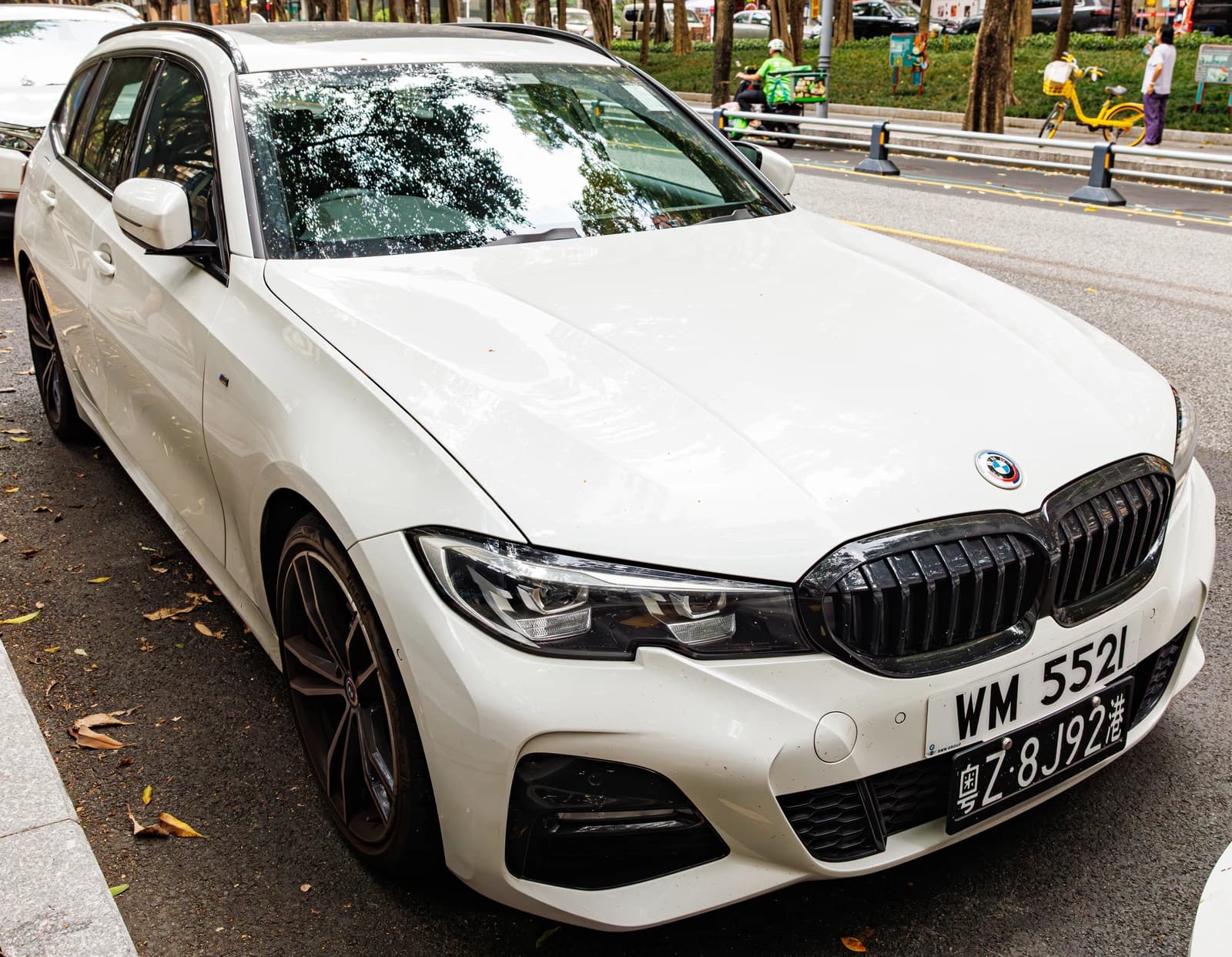
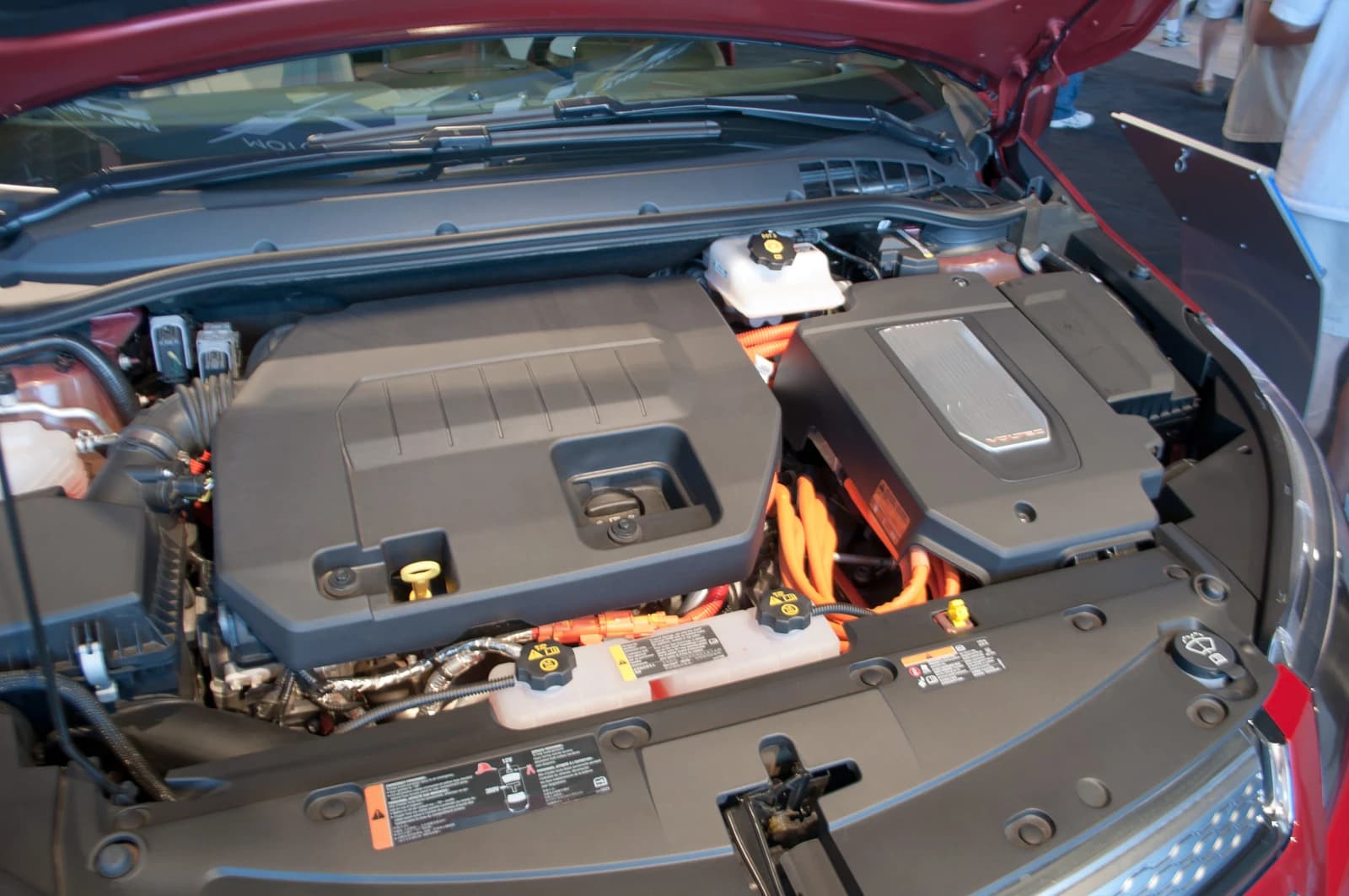
The biggest development is not that BMW is adding more power for its own sake. It is that the German automaker is doubling down on a high-performance gasoline sedan at a moment when many investors assumed the sport sedan was being squeezed out by EVs, hybrids and regulation. The new M350 xDrive, which replaces the old M340i, will use a 3.0-liter turbocharged inline-six with mild-hybrid support to make 443 horsepower and 580 Newton-meters of torque, enough for 0-100 km/h in 4.1 seconds. That makes it more potent than the outgoing U.S.-market M Performance version and far stronger than the de-tuned European M340i.
Why does that matter economically? Because BMW is signaling it can still extract meaningful profit from enthusiast buyers while it transitions its lineup. Performance variants are typically rich-margin products, and the decision to keep four- and six-cylinder engines alive with 48-volt technology suggests BMW is managing emissions compliance without abandoning one of its most recognizable strengths: straight-six power. That balance matters in a business where regulators are pushing one way, but buyers of premium sedans often want something more visceral than a silent commute.
For investors, the story is less about one car and more about pricing power. BMW is trying to preserve brand loyalty in a segment where identity matters. A 3 Series that looks closer to the electric i3, borrows a minimalist interior, and still offers a six-cylinder M-lite model gives BMW more flexibility than a pure EV strategy alone. It can keep customers in the showroom whether they are ready for battery power or not. The planned over-the-air update that will add a drift mode next year is a good example of how software is being layered onto traditional hardware to keep cars feeling fresh after purchase.
There is also a competitive angle. Ferrari, Tesla and other premium or performance-focused names have been under pressure for different reasons, but BMW’s move reinforces a broader lesson: not every affluent buyer wants the same drivetrain future at the same pace. Tesla remains the EV benchmark, but BMW’s willingness to keep combustion relevant could help it defend share among drivers who still value sound, character and long-distance flexibility. In that sense, the new 3 Series is not a retreat from electrification but a hedge against moving too fast and leaving profitable customers behind.
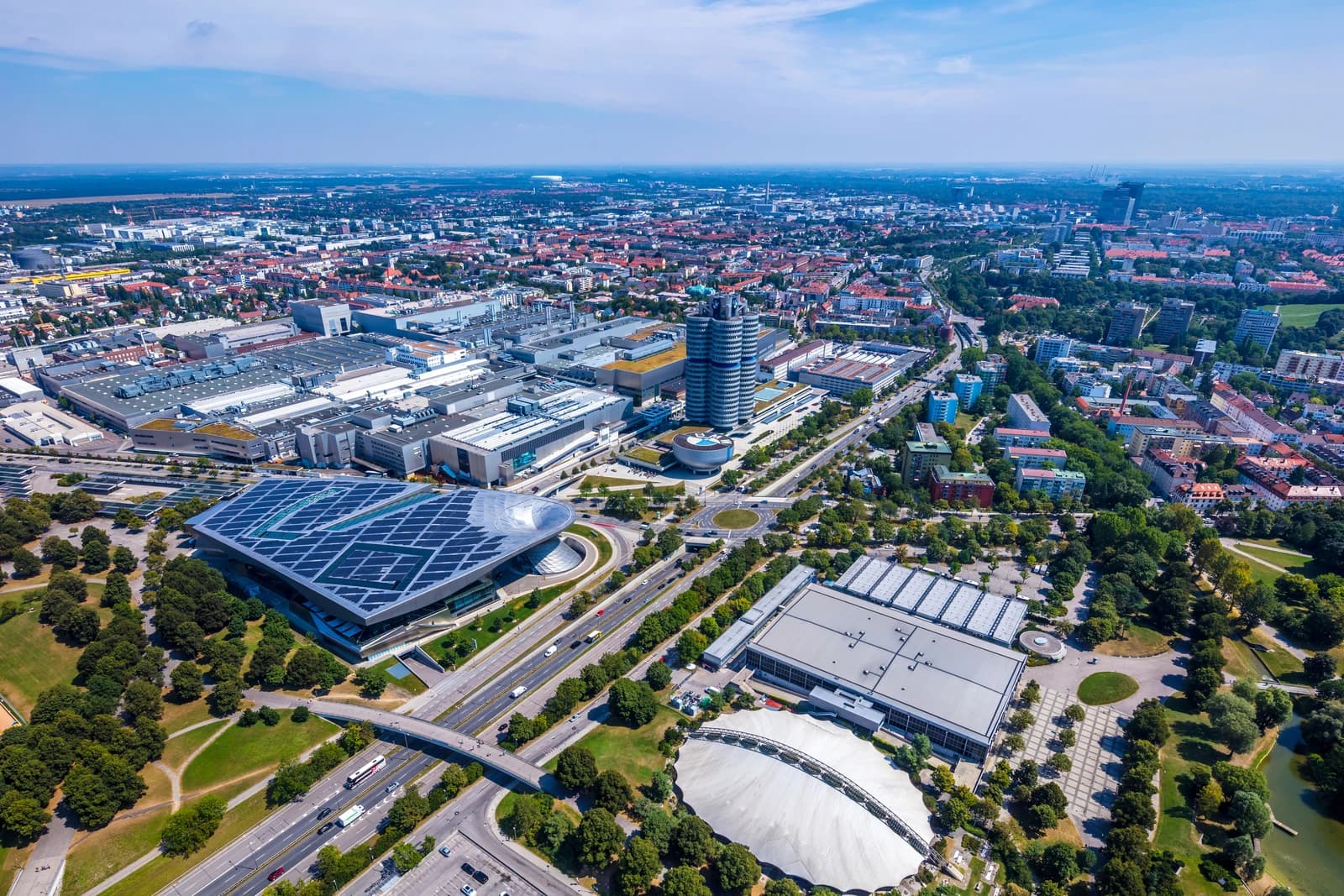
The risks are obvious. Stricter emissions standards could make it harder to keep combustion engines attractive, and the market for sporty sedans is smaller than it once was. BMW is also pushing production of the new 3 Series to Dingolfing while Munich is reserved for the fully electric i3, which shows how seriously it is separating its electric and legacy businesses. That split may work now, but over time investors will want to see whether BMW can sustain margins across both sides of the transition.
Still, for long-term investors, the takeaway is encouraging. BMW is not betting everything on one powertrain, one platform or one buyer type. It is preserving the engines that made the 3 Series famous while building the next generation of electric products alongside them. That kind of flexibility is often what separates resilient automakers from laggards. This is a stock and a brand worth keeping on the watchlist.
| Entity | Gains | Losses |
|---|---|---|
| BMW | ▲Preserved enthusiast demand | ▼Faster EV-only transition |
| BMW performance buyers | ▲More power, six-cylinder option | ▼Simpler, cheaper trim mix |
| EV rivals | ▲Broader market interest | ▼Less direct impact |
| Regulators | ▲Cleaner engine tech adoption | ▼Slower combustion phaseout |