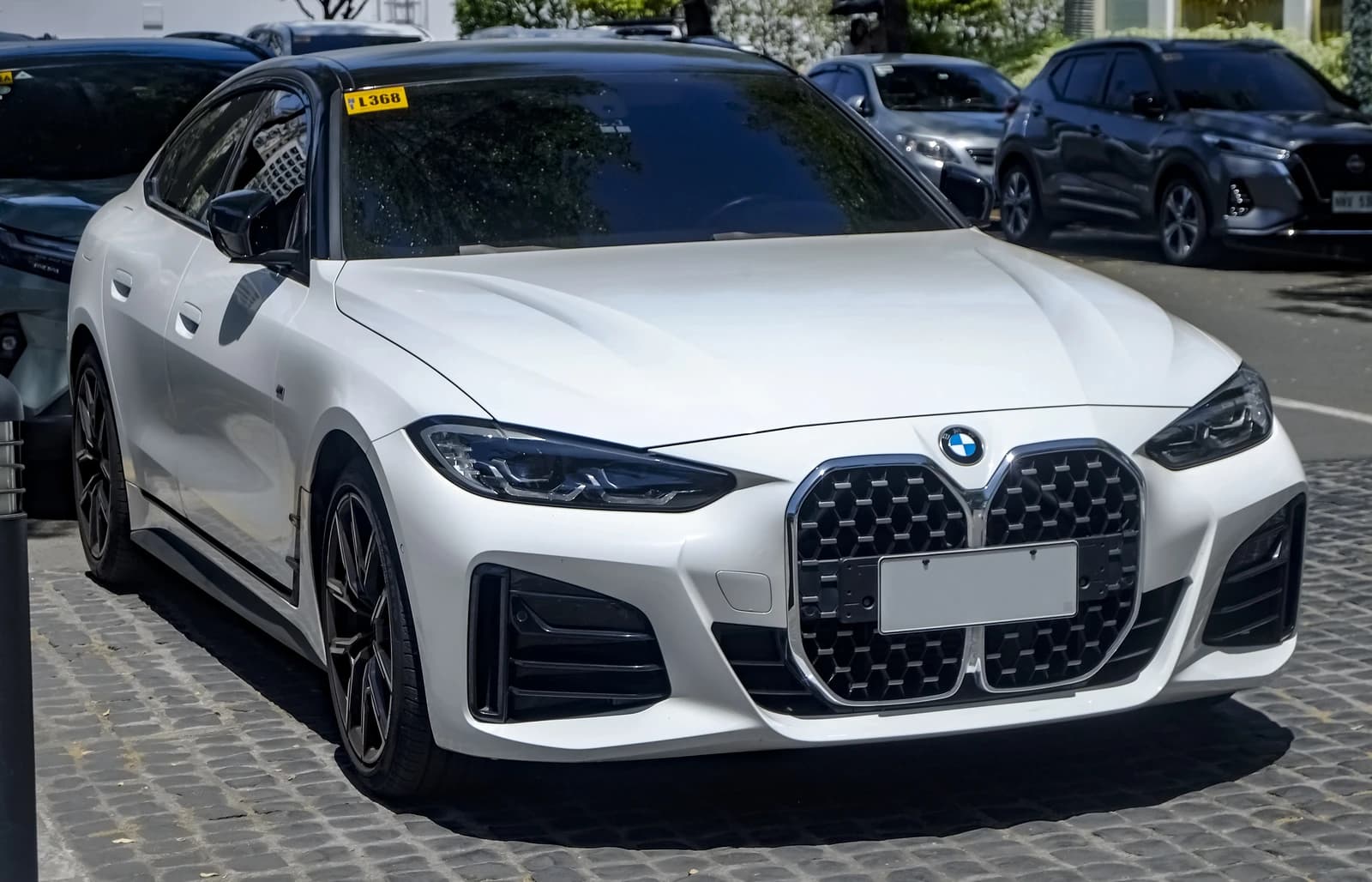
BMW has turned its flagship 7 Series into a discreet armored limousine that can withstand fire from 9mm rounds and .44 Magnum bullets, underscoring how Europe’s luxury carmakers are monetizing demand from executives and other high-net-worth buyers who want protection without the look of a security vehicle.
BMW 7 Series protection concept adds armored hybrid

The Concept 7 Protection pairs hidden ballistic steel and reinforced composite panels with BMW’s plug-in hybrid M760e xDrive powertrain, giving the large sedan 612 horsepower and 800 Nm of torque despite the extra weight of the armor. That matters because the market for protection vehicles is shifting away from overtly military-looking transport toward cars that can blend into normal traffic while providing higher-grade security in an age of urban crime, geopolitical tension and elevated personal risk for corporate leaders.
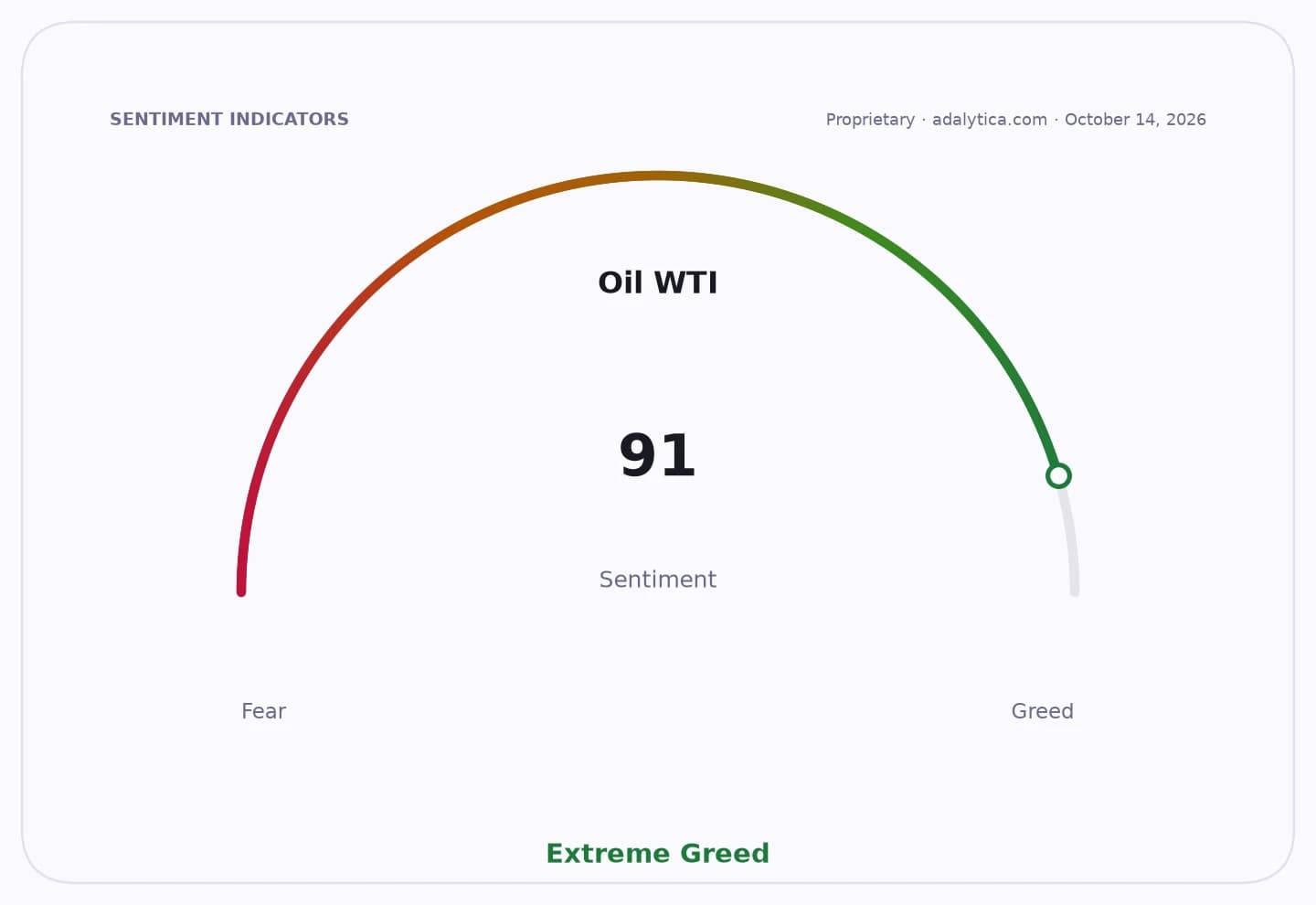
Sentiment IndicatorsⓘProprietary · adalytica.com · October 14, 2026
This is a snapshot — live sentiment, awareness and momentum for 130+ markets update continuously in the dashboard.Open AlphaPulse
BMW is targeting a narrower but lucrative niche than the company’s VR9-class armored vehicles, which are built for blast and assault scenarios. This concept is aimed at everyday threats in cities, where buyers may value invisibility as much as resistance. The car’s thick glass, strengthened doors and pillars, and an intercom system that lets occupants speak to people outside without opening the windows all point to a product designed for boardrooms, not battlefields.
The economics are attractive even if volumes are tiny. Armored vehicles command substantial premiums over standard luxury sedans, and the buyer base is less price-sensitive than mainstream consumers. For BMW, the concept also reinforces the investment case around its high-end lineup at a time when premium automakers are trying to defend margins through customization, safety features and higher-value variants rather than volume alone.
For investors, the story is less about units sold than about pricing power and brand positioning. If BMW can commercialize a low-volume, high-margin protection model in selected European markets, it strengthens the argument that the company’s luxury franchise can keep extracting value from affluent customers even as broader auto demand remains cyclical. It also shows how electrified and hybrid drivetrains are being adapted to specialized use cases, which could support the residual value of BMW’s advanced powertrain platforms.
The main risk is that armored vehicles remain a niche business with long certification cycles and limited addressable demand. But the concept’s launch still signals a broader industry pattern: luxury carmakers are finding new profit pools in security, discretion and bespoke engineering, not just horsepower and cabin materials. If BMW proceeds to market, the model could become a reference point for competitors in the premium segment looking to serve buyers for whom safety is now part of the luxury proposition.
| Entity | Gains | Losses |
|---|---|---|
| BMW | ▲Higher-margin niche offering | ▼Complexity and certification costs |
| Affluent buyers | ▲Discreet personal protection | ▼Higher purchase price |
| Rivals in premium autos | ▲Pressure to match security features | ▼Lost exclusivity if BMW sets the standard |
| Mainstream car buyers | ▲Spillover safety innovation | ▼Little direct benefit |