BMW is killing off the 8 Series for a second time, ending production of its flagship grand tourer in April 2026 and leaving the company without a direct successor as luxury-car demand softens and niche electric projects get cut.
BMW ends 8 Series production in April 2026
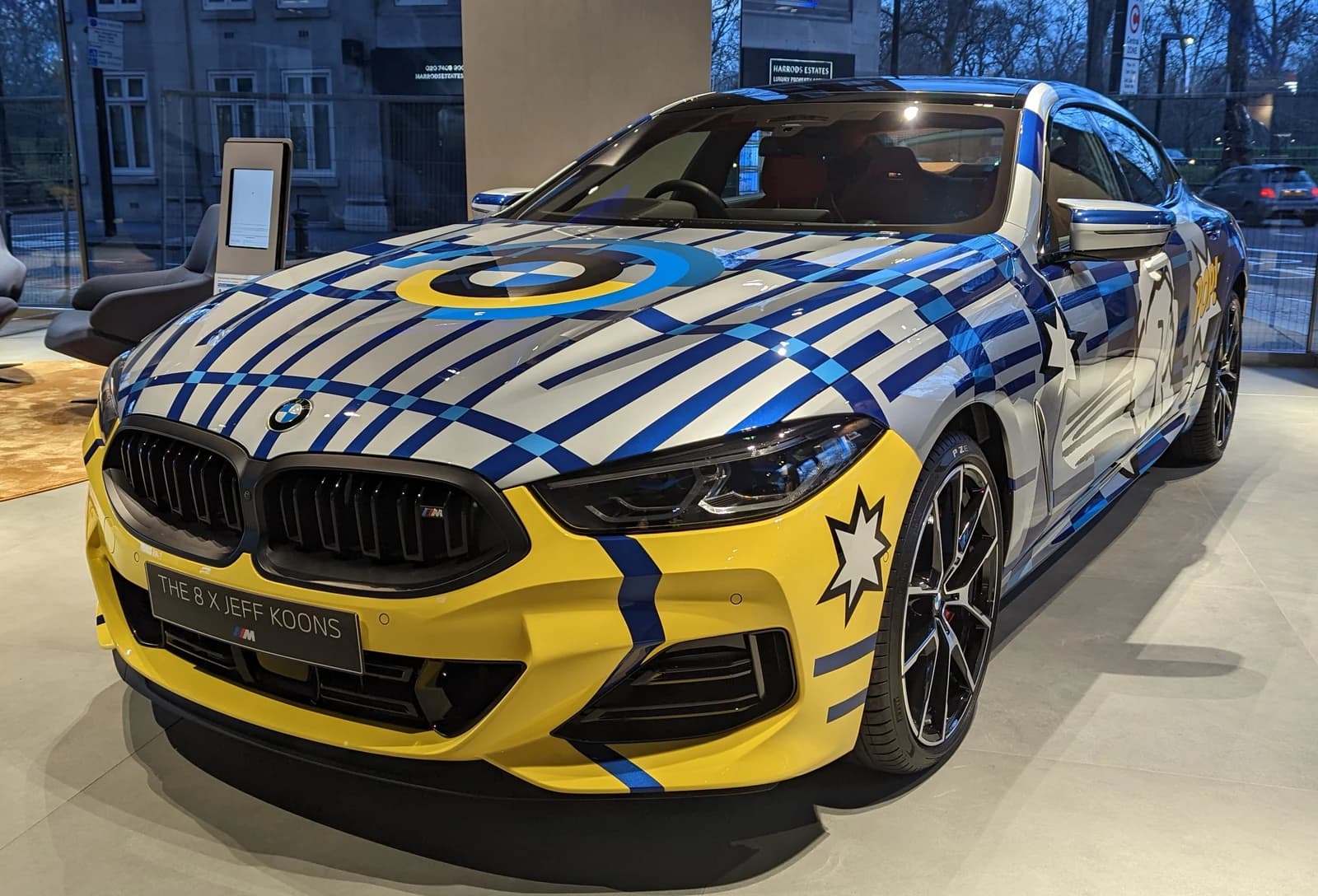
That matters because the move shows how even premium automakers are being forced to simplify lineups, protect margins and redeploy factory capacity toward models with broader demand. The 8 Series was always a low-volume halo car, but its disappearance is a reminder that weak demand at the top end can quickly turn into a portfolio decision with real industrial consequences.
Sentiment Indicators
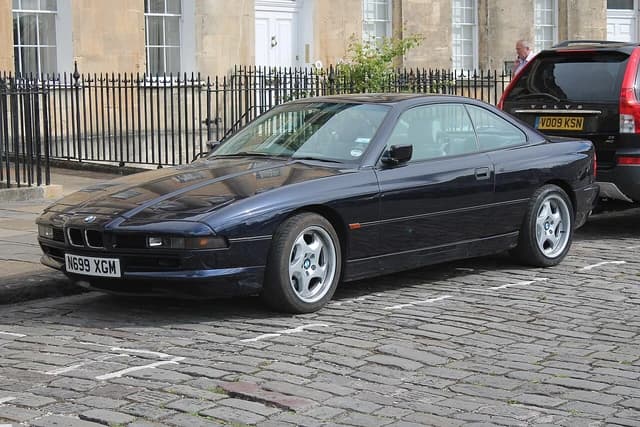
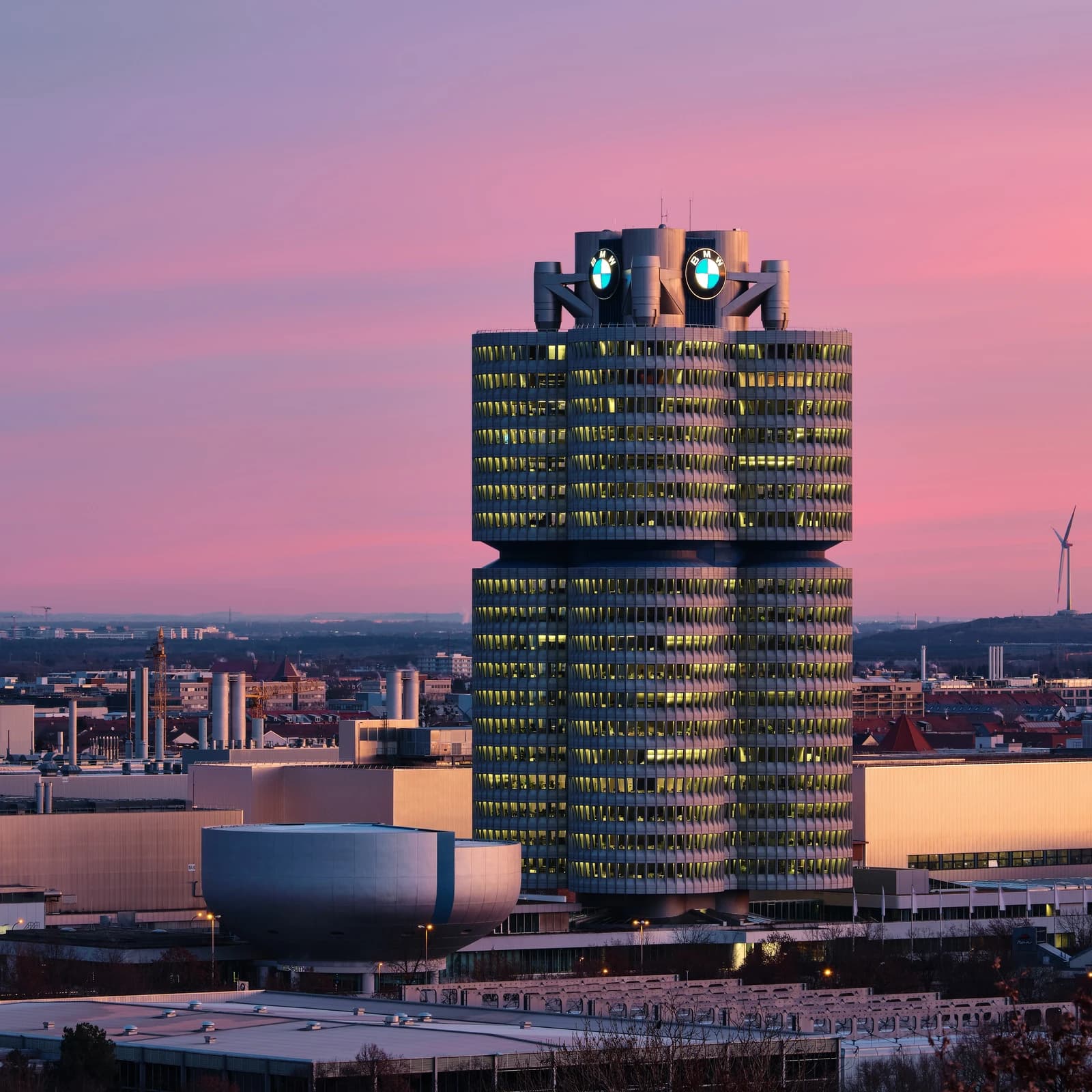
The last coupe, convertible and Gran Coupe versions will roll off the line at BMW’s Dingolfing plant this month, according to Auto Motor und Sport. BMW’s importer in Moldova confirmed production is ending and new orders are no longer being taken. The company had already begun winding down the M8 Coupe earlier in 2025, followed by the M8 Cabriolet and M8 Gran Coupe.
The retreat reflects more than just disappointing sales. BMW had considered an all-electric successor, likely as a four-door-only model, but that plan appears to have been shelved as global EV demand slowed and automakers pulled back from expensive niche programs. For investors, that is the key takeaway: the market is no longer rewarding ambition for its own sake. It is rewarding capital discipline.
BMW’s decision also fits a broader industry pattern. Carmakers are pruning model ranges that require heavy engineering and marketing spend but do little to move the sales needle. In an era of high interest rates, tougher regulation and uneven demand across Europe, the U.S. and China, every niche nameplate has to justify itself against better-selling core models. The 8 Series did not.
The freed-up capacity at Dingolfing will now be used for the new-generation 3 Series, underscoring where BMW sees the better return on manufacturing resources. That is the kind of reallocation investors should watch closely: not the loss of a halo badge, but the shift of capacity toward volume products with stronger earnings leverage. Dingolfing remains one of BMW’s most important European production hubs, and a cleaner product mix should support utilization.
For enthusiasts, the end of the 8 Series is a symbolic loss. For investors, it is a more important signal that BMW is trimming optionality in favor of execution. In a market where premium auto pricing is under pressure and EV economics remain unsettled, that may be the smarter move.
The real investment question now is whether BMW can use this kind of pruning to sharpen margins while competitors keep chasing unproven luxury EV niches. If it can, the winners are likely to be the brands that concentrate on scalable platforms, while the losers are the niche players still burning capital on low-volume prestige cars.
| Entity | Gains | Losses |
|---|---|---|
| BMW core lineup | ▲Higher capacity efficiency | ▼Halo-model variety |
| Dingolfing plant | ▲More 3 Series allocation | ▼8 Series production |
| BMW investors | ▲Better capital discipline | ▼Short-term brand cachet |
| Luxury niche rivals | ▲None | ▼Higher comparison pressure |