BMW has set out the strongest version yet of its new electric iX3, combining M-badged performance with a WLTP range of up to 754 kilometers in a move that underscores how the premium EV race is shifting from simple electrification to range, charging speed and brand differentiation.
BMW iX3 M60 xDrive debuts with 754 km range
The iX3 M60 xDrive sits at the top of BMW’s new Neue Klasse SUV line-up and is designed to answer the same question premium buyers are asking across the sector: can an electric SUV deliver sports-car acceleration without the usual range compromise? BMW says the dual-motor model produces 612 horsepower and 875 Nm of torque, reaches 100 km/h in 3.9 seconds and tops out at 240 km/h, while using a 108.7 kWh usable battery to deliver the headline range figure.
Sentiment Indicators
That matters because the premium EV market is increasingly defined less by whether a car is electric and more by whether it can outperform combustion rivals on both usability and desirability. A claimed 754 km of range puts BMW in a stronger position against luxury EV competitors that still struggle to combine high power with long-distance practicality, while 400 kW DC charging and a promise of 340 kilometers of added range in 10 minutes address one of the market’s biggest buyer objections. For investors, the message is that BMW is not just adding another battery model; it is trying to protect pricing power in a segment where luxury margins matter more than volume alone.
The technical package also shows how BMW is using the Neue Klasse platform to reset its EV architecture. The car moves to sixth-generation BMW eDrive technology, an 800V system, bidirectional charging and a new central computer called Heart of Joy, which BMW says is 10 times faster than prior systems in managing drivetrain, braking, steering, charging and recuperation. That kind of platform investment is expensive, but it is also the sort of engineering differentiation that can justify premium pricing and support residual values if the product lands well with affluent buyers.
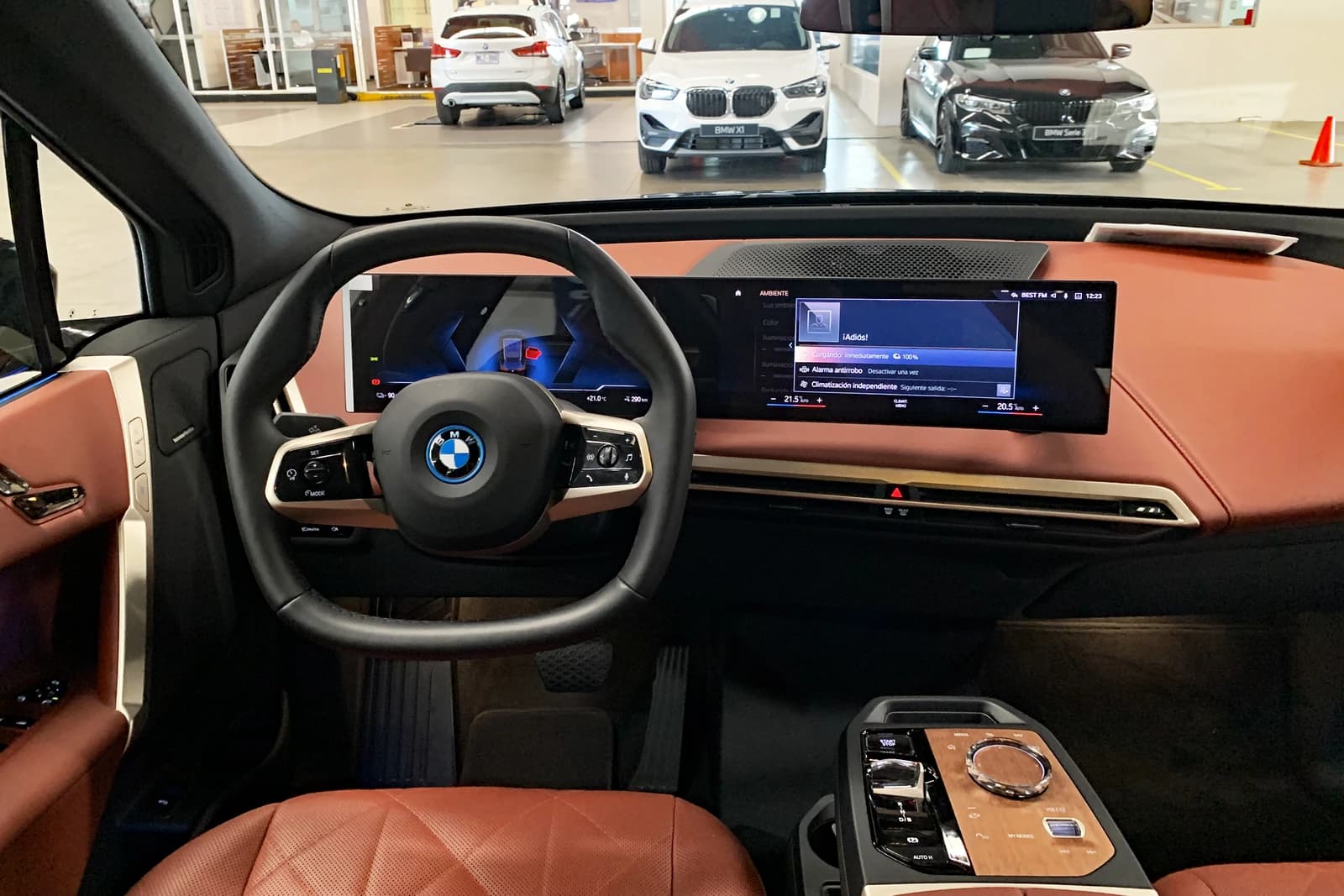
The design and cabin changes are aimed at the same audience. BMW is leaning hard into M branding, with yellow daytime running lights, aerodynamic mirror caps, 21-inch wheels as standard and optional 22-inch designs, while the interior gets a 17.9-inch central display, Panoramic iDrive, M Sport seats and driver-assistance features including a motorway assistant that allows hands-free driving on highways up to 130 km/h. The company is clearly positioning the iX3 M60 not as a compliance EV, but as a halo product for the next phase of its electric lineup.
For the broader auto industry, the launch is another sign that the battle in electric SUVs is moving up the value chain. Buyers are no longer being asked to choose between range and performance in theory; they are being shown whether manufacturers can deliver both at the same time. That raises the bar for rivals such as Tesla, Mercedes-Benz and Audi, especially in Europe where premium SUV buyers tend to be less price sensitive but more demanding on refinement, charging speed and brand prestige.
There is still execution risk. BMW is not due to open orders until late January 2027, with production set for spring 2027 in Debrecen, Hungary, so the model remains a promise rather than a sales driver. The long lead time gives competitors room to respond and leaves BMW exposed if battery costs, pricing or demand soften. But if the company can deliver the range, charging performance and driving dynamics it is promising, the iX3 M60 xDrive could become an important proof point for the Neue Klasse strategy and a stronger foundation for BMW’s next-generation EV margin story.
| Entity | Gains | Losses |
|---|---|---|
| BMW | ▲Premium EV differentiation | ▼Commodity EV pricing pressure |
| BMW iX3 M60 xDrive buyers | ▲Long range with performance | ▼Lower-cost SUV alternatives |
| Tesla and premium EV rivals | ▲— | ▼Benchmark pressure on range and charging |
| BMW suppliers and Debrecen plant | ▲New production demand | ▼— |