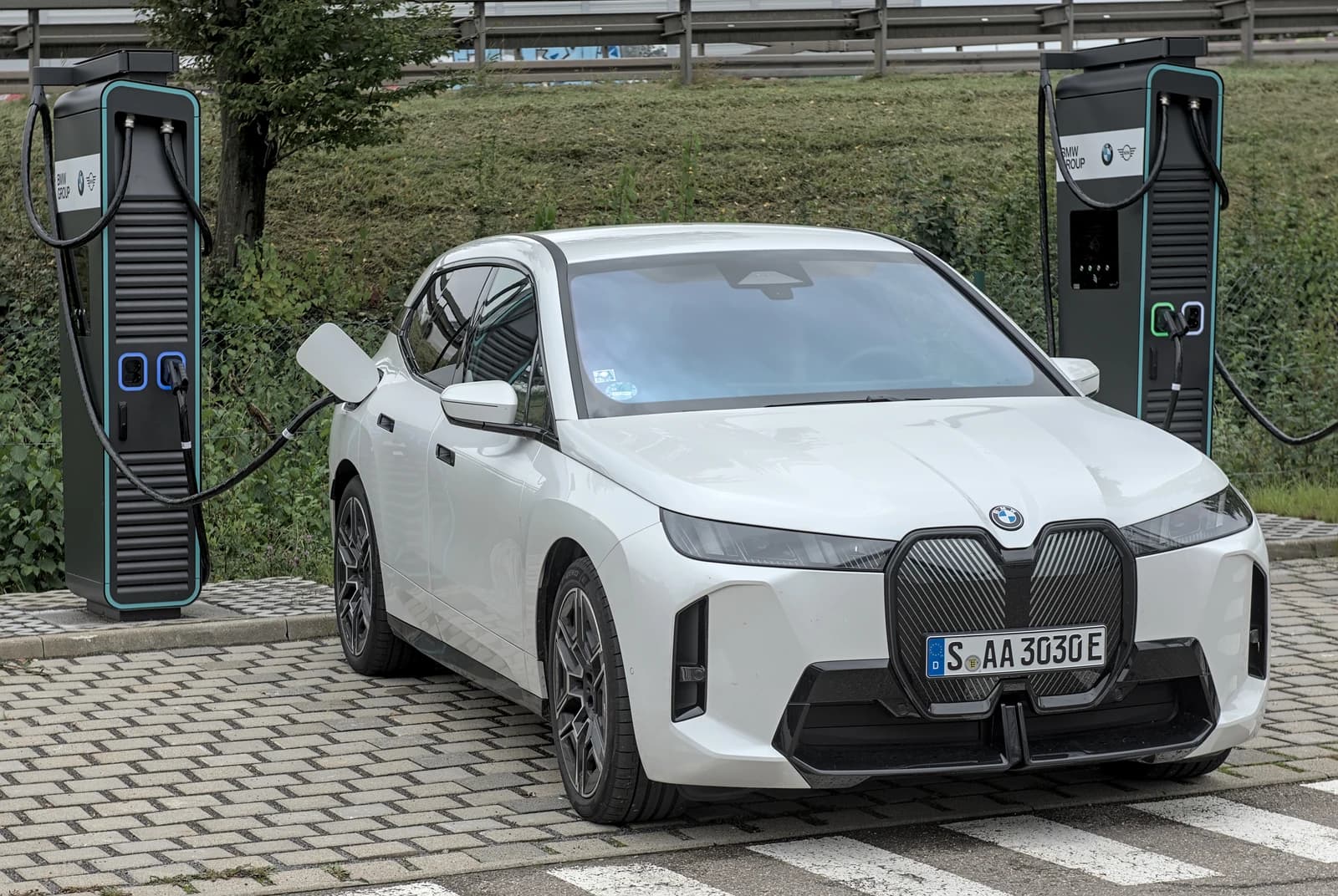
BMW’s first look at the iX is more than a design reveal — it is a statement that the German luxury carmaker intends to compete at the top of the electric SUV market with range, speed and premium cachet.
BMW iX Specs and EV Strategy
That matters because the iX is the first model from BMW’s next generation of electric vehicles, and it arrives as the industry shifts from early EV novelty to a fight over who can deliver the best mix of range, charging speed, software and profitability. BMW is not just adding another battery-powered crossover; it is trying to redefine what a flagship electric SUV should be, while protecting the brand’s long-term appeal in a market that is rapidly moving away from combustion engines.
Sentiment Indicators
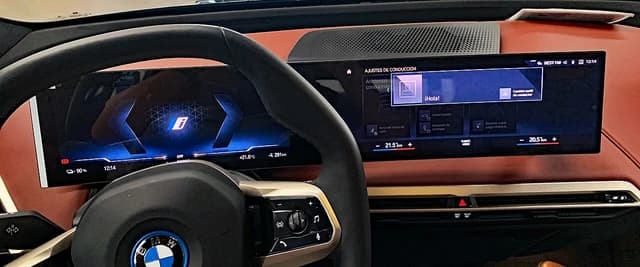
The headline numbers are strong. BMW says the iX will use its fifth-generation eDrive system, with more than 370 kW, or 500 horsepower, enough to get from 0 to 100 km/h in under five seconds. It is targeting an energy use of less than 21 kWh per 100 km under WLTP testing and a range of more than 600 km. Fast-charging capability of up to 200 kW should let the battery go from 10% to 80% in under 40 minutes, while a 10-minute top-up is expected to add more than 120 km of range.
For investors, that combination is the real story. EV buyers in the premium segment are not only shopping on price; they want a vehicle that feels effortless on long trips, looks expensive and can fit into daily life without range anxiety. BMW is using the iX to show it can deliver those features without sacrificing the driving feel that has long defined the brand. The company also says the power unit is built without rare-earth materials, and that battery production uses renewable energy — details that matter as regulators, customers and supply chains place more weight on sustainability.
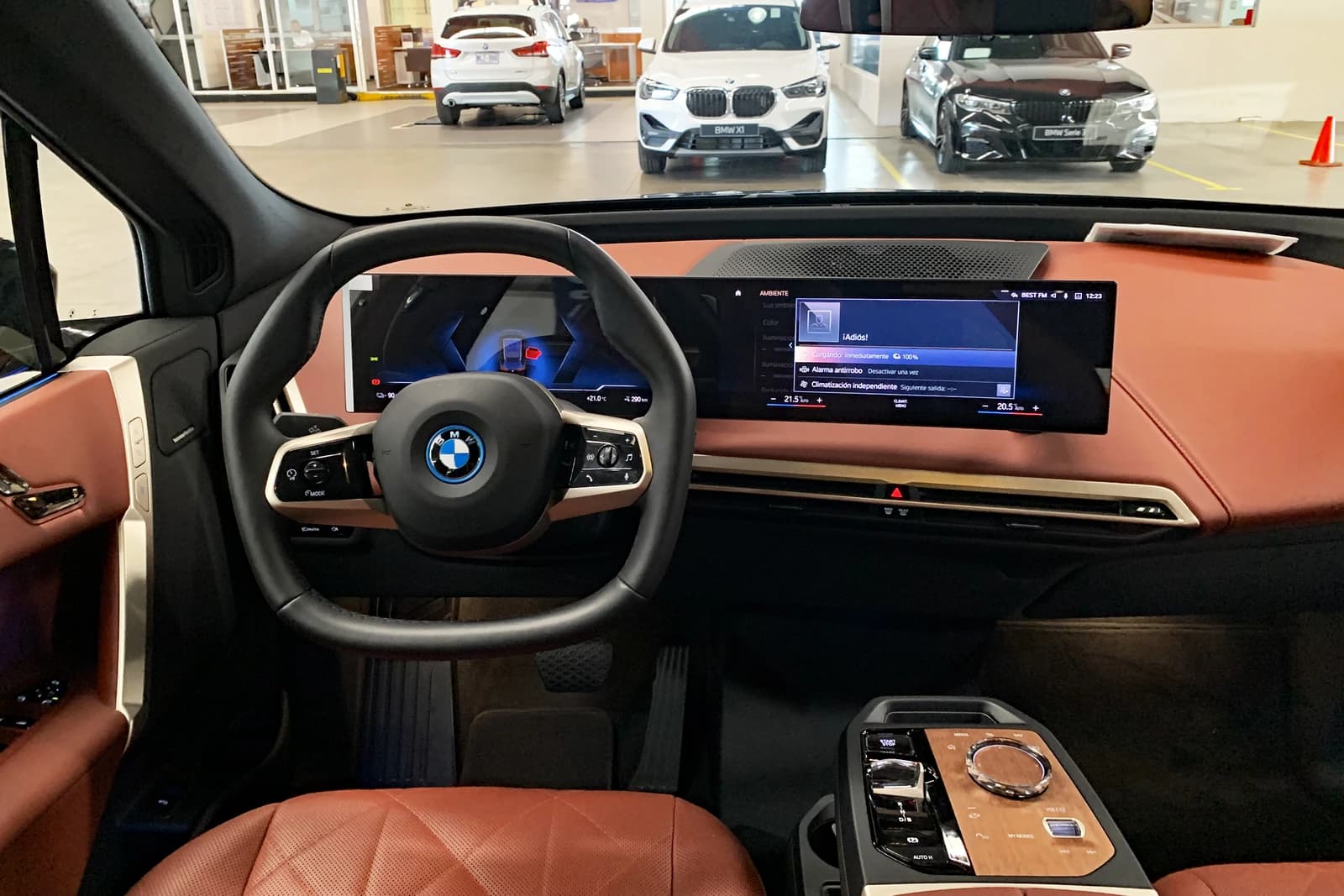
This is also a technology play. BMW says the new platform doubles down on digital services and autonomous-driving capability, with computing power designed to process 20 times more data than previous models. That puts software and electronics closer to the center of BMW’s investment case, not just sheet metal and chassis tuning. Over the next several years, the winners in autos will likely be the companies that can blend hardware, batteries and software into a profitable ecosystem.
The challenge, of course, is execution. BMW has not disclosed a starting price, and the iX is not due into production until the second half of 2021 at Dingolfing. The company’s early figures are preliminary, and the premium EV field is already crowded with Tesla, Mercedes-Benz, Audi and others pushing hard on range and technology. But BMW’s ability to bring a credible flagship EV to market could help it defend market share in one of the industry’s most important battlegrounds.
For long-term investors, the iX reinforces a simple takeaway: BMW is trying to make electrification a brand-strengthening move, not a defensive one. If the company can turn this technology into a family of profitable electric models, the iX may be remembered as the point where BMW’s EV strategy started to look genuinely competitive. It is worth watching.
| Entity | Gains | Losses |
|---|---|---|
| BMW | ▲Premium EV credibility | ▼Combustion-era exclusivity |
| EV buyers | ▲Longer range, faster charging | ▼Lower-priced alternatives |
| Tesla and rivals | ▲Bigger EV market | ▼More pressure on luxury share |
| Suppliers tied to legacy drivetrains | ▲— | ▼Demand from internal-combustion parts |