A case involving a BMW owner who says her ex-husband used the carmaker’s app to track and harass her is a reminder that connected-car convenience now comes with real-world safety and liability risk.
BMW app abuse case raises connected-car safety concerns

That matters well beyond one troubling domestic abuse case. As more vehicles become software-defined and tied to smartphone accounts, the ability to lock doors, start engines and locate cars remotely turns into a security issue, not just a feature list item. For automakers, the risk is reputational first, but it can also become a legal and regulatory headache if account controls are too easy to abuse or too hard to unwind.
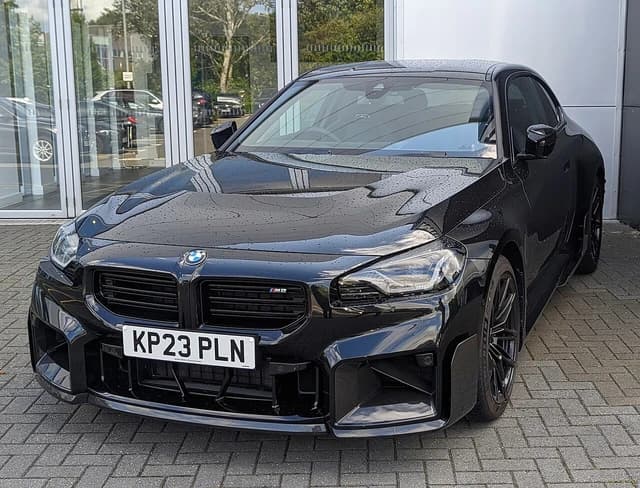
In this case, the alleged victim told Forbes she could not understand why her BMW’s windows were opening, her ignition was turning on and her location was being exposed until she realized her former husband still had access to the My BMW app. She said the dealership told her it could not remove his access, even after she presented police reports, a protective order and divorce documents showing she owned the car. She ultimately bought a new vehicle and paid off the roughly $10,000 still owed on the old one to end the harassment.
BMW says it has escalation protocols for urgent personal-safety situations and that customer service can remove unauthorized or abusive users when appropriate. It also said it had no record of a complaint from Jane’s area, while noting that dealerships are independently owned and operated. That distinction matters for investors because it shows how customer support failures can sit in the seams between a brand, its software systems and its retail network.
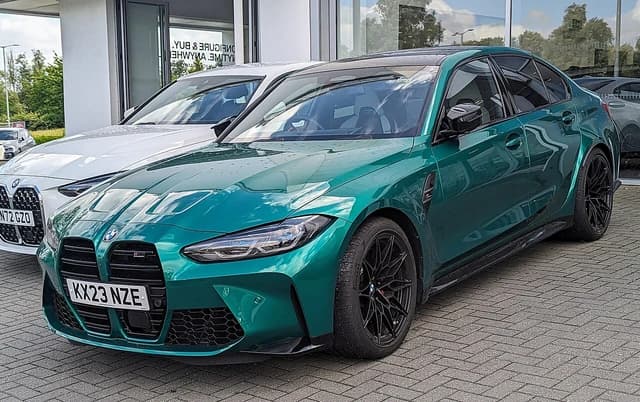
For BMW and other automakers racing to deepen digital services, the long-term question is whether connected features will build loyalty or create friction if consumers feel their cars can be weaponized. The broader the rollout of app-based controls, the more important account verification, access revocation and abuse protections become. Regulators are already scrutinizing data privacy and cyber risk across consumer technology, and autos are moving into the same crosshairs.
Investors should see this less as a one-off scandal than as part of a wider shift in what cars are becoming: rolling devices with sensitive data, remote access and cybersecurity exposure. That means software quality, account security and after-sales support are now part of the brand moat. Automakers that get this right may strengthen customer trust over years; those that do not risk higher churn, legal costs and a harder sell for premium digital services.
| Entity | Gains | Losses |
|---|---|---|
| BMW customers | ▲Better security features | ▼Risk of account abuse |
| BMW | ▲Pressure to fix controls | ▼Reputation and liability |
| Dealerships | ▲Clearer escalation rules | ▼Frustrated customers |
| Regulators | ▲Stronger case for oversight | ▼More enforcement burden |