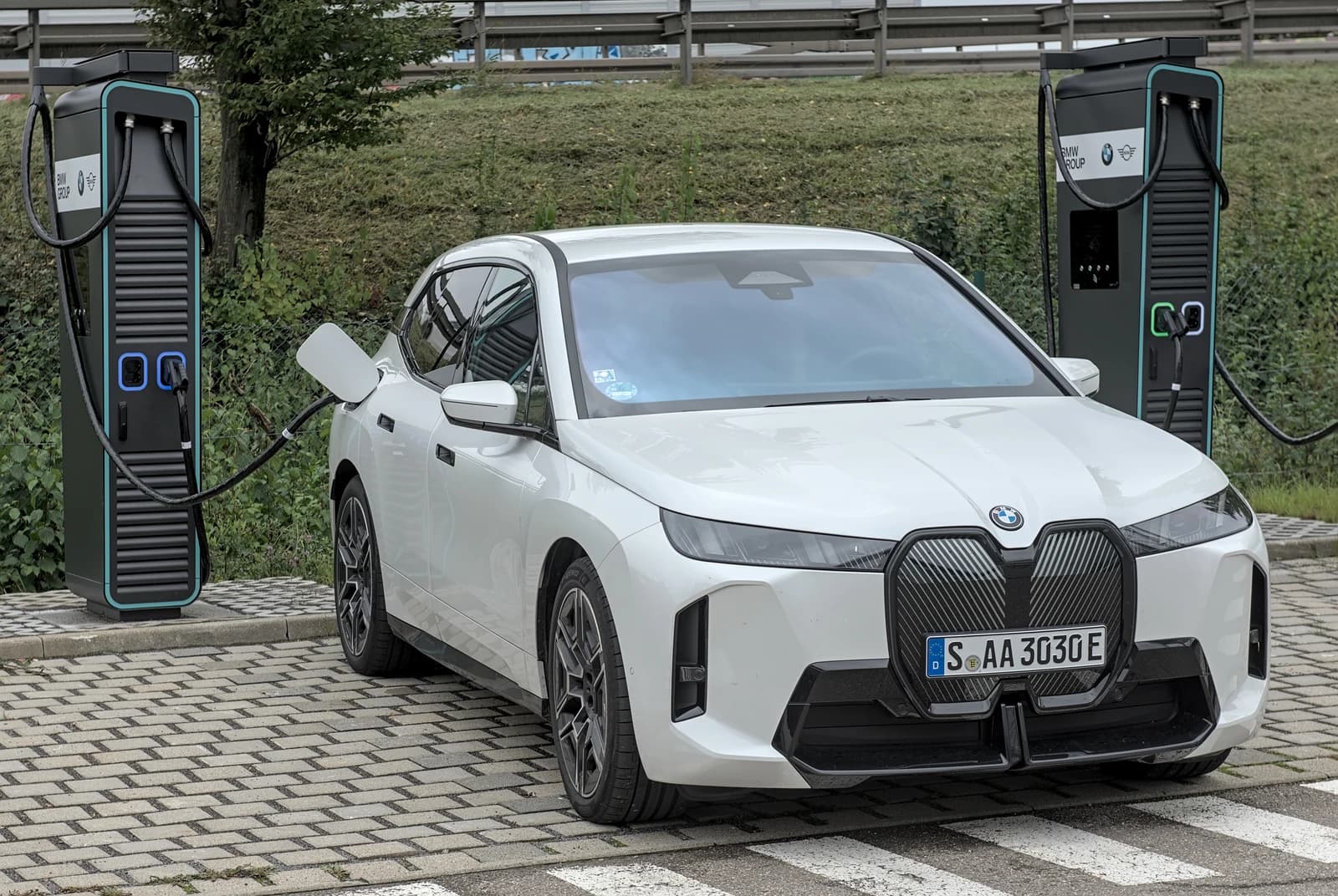
The BMW iX3 just did what every premium electric SUV buyer wants to see: it went farther on a charge than the new Mercedes-Benz GLC Electric and Volvo EX60 in a real highway run.
BMW iX3 beats Mercedes GLC and Volvo EX60 in EV range test
That matters because range anxiety is still one of the biggest barriers to EV adoption, especially for drivers who spend real time on motorways rather than just commuting around town. In this case, the BMW did not merely edge its rivals — it established a clear lead in efficiency, the metric that increasingly determines whether an electric car feels genuinely usable or merely impressive on paper.
Sentiment IndicatorsⓘProprietary · adalytica.com · September 28, 2026
This is a snapshot — live sentiment, awareness and momentum for 130+ markets update continuously in the dashboard.Open AlphaPulse
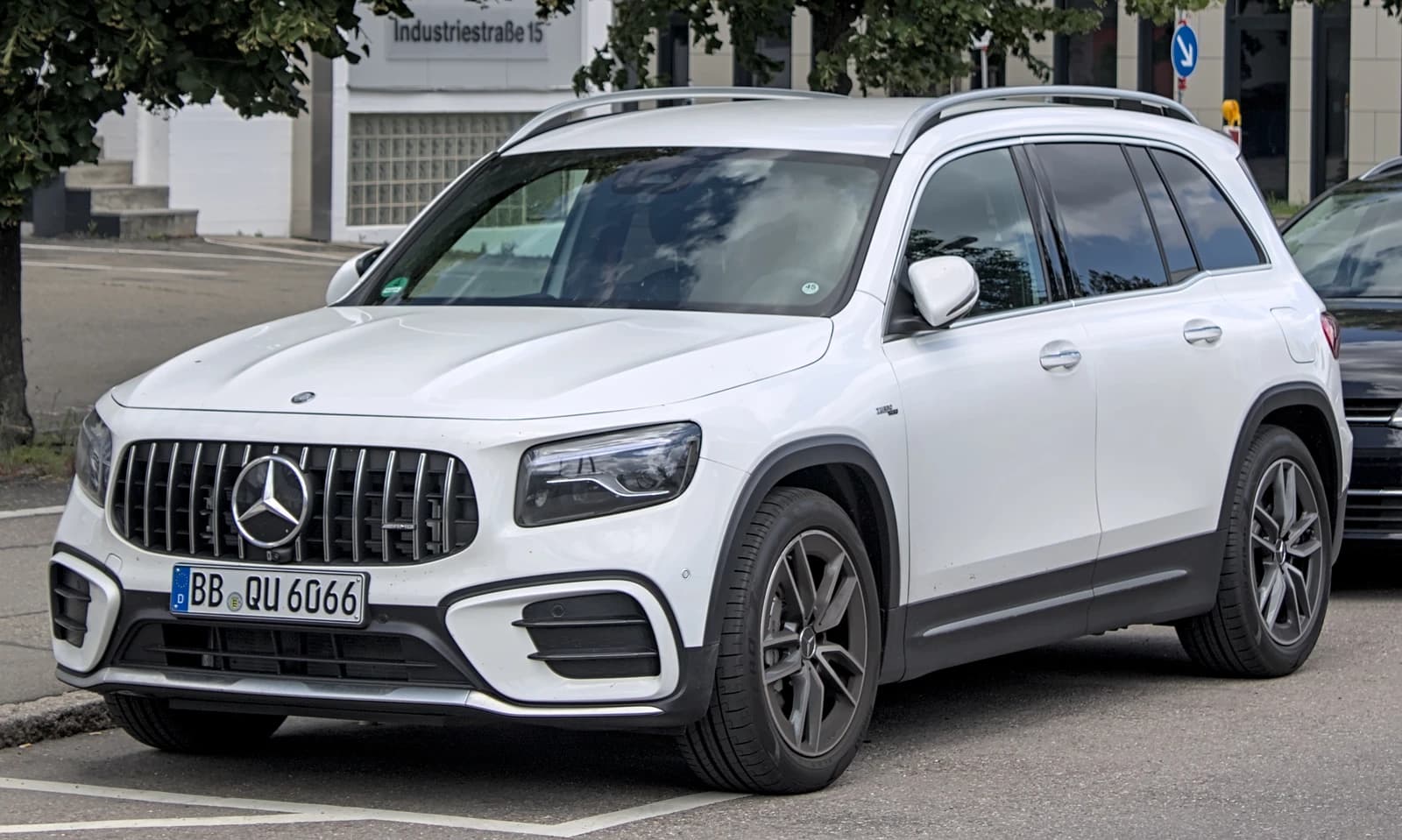
In a test organized by InsideEVs and carried out on a Norwegian autobahn at a steady 120 km/h in 14C to 17C conditions, the BMW iX3 posted average energy use of 19.4 kWh per 100 kilometers and delivered an estimated 544 kilometers of range. The Mercedes-Benz GLC Electric consumed 20.3 kWh per 100 kilometers for about 449 kilometers of range, while the Volvo EX60 came in at 21.1 kWh per 100 kilometers and roughly 419 kilometers.
That means BMW used about 4% less energy than Mercedes-Benz and 8% less than Volvo in the same conditions. For investors, that is not just a bragging right. Efficiency at highway speed is one of the clearest signs of whether an EV platform has been engineered for scale, not just show. It can translate into stronger consumer appeal, less range-related hesitation, and potentially better pricing power if the car wins over buyers who care about long-distance practicality.
The result is especially notable because Mercedes-Benz and Volvo have both been trying to prove they can compete with BMW in the premium EV segment. The Volvo’s larger 22-inch wheels may have hurt efficiency, but that did not erase BMW’s advantage in the kind of test that matters most to road-trip drivers. The Volvo was praised for comfort and quietness, which reminds investors that the EV race is not only about range — it is about finding the right trade-off between efficiency, luxury and real-world usability.
BMW’s showing also fits a broader strategic picture. The company is leaning hard into its Neue Klasse EV architecture, and early indications suggest that this platform may be giving BMW a meaningful edge in the efficiency battle. That matters for margins as much as for marketing: a more efficient vehicle can help reduce battery-size pressure, support competitive pricing and improve the economics of each car sold.
For long-term investors, the message is simple. In EVs, the winners are likely to be the brands that combine range, efficiency and software-rich premium appeal without bloating battery costs. BMW’s iX3 just made a strong case that it belongs in that conversation. Mercedes-Benz and Volvo still have products worth watching, but on this evidence BMW has the better long-haul story — and that is exactly the kind of advantage that can compound over years, not quarters.
| Entity | Gains | Losses |
|---|---|---|
| BMW | ▲Stronger EV credibility | ▼None in this test |
| Mercedes-Benz | ▲Validation as a close rival | ▼Lower range efficiency |
| Volvo | ▲Comfort reputation | ▼Weakest highway range |
| EV buyers | ▲Better real-world data | ▼Less room for marketing hype |