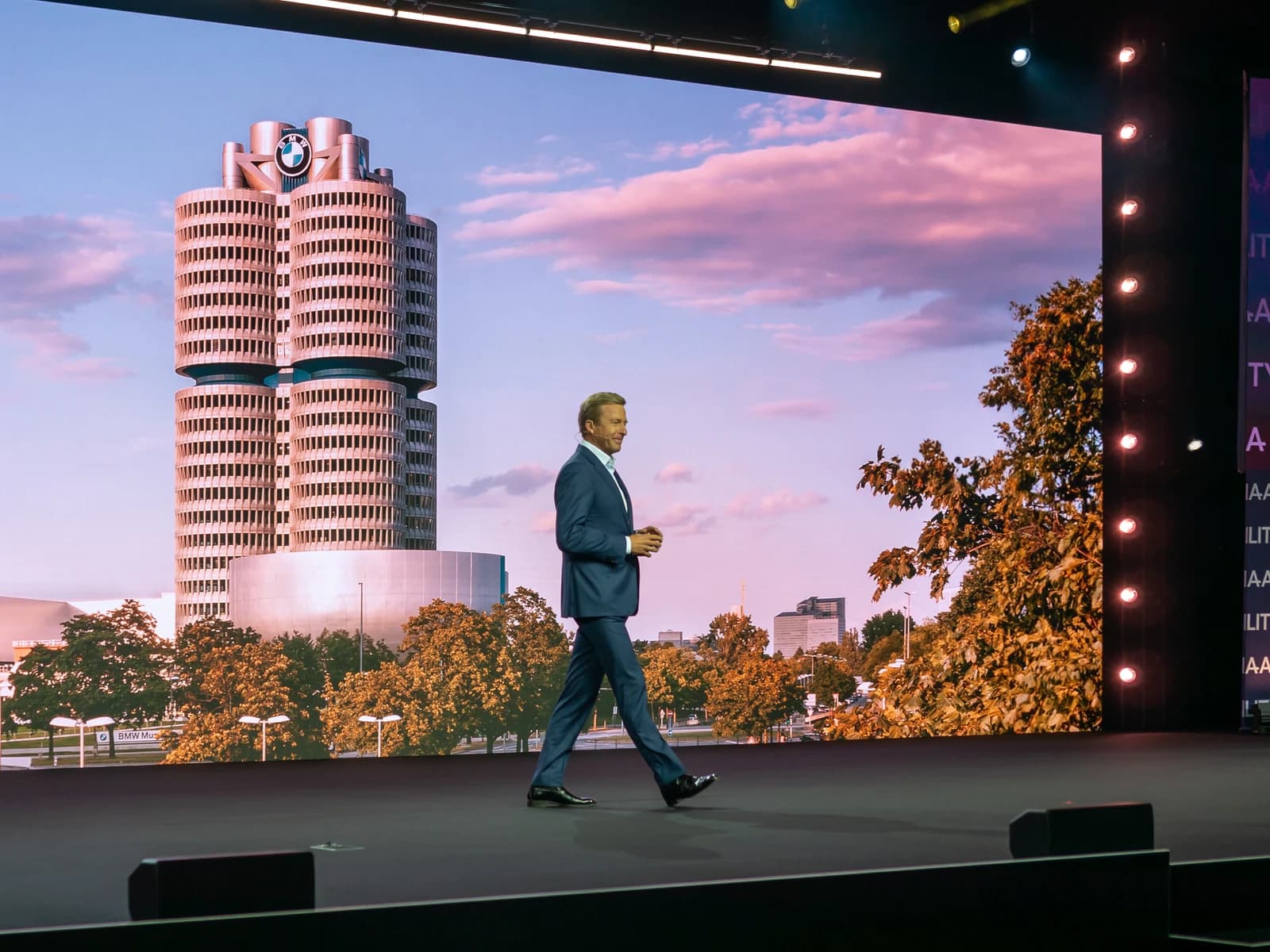
BMW has put its iX5 Hydrogen into limited production, but the real story is that the model remains a demonstration project rather than a mass-market product, underscoring how far hydrogen mobility still is from commercial scale.
BMW iX5 Hydrogen enters limited production
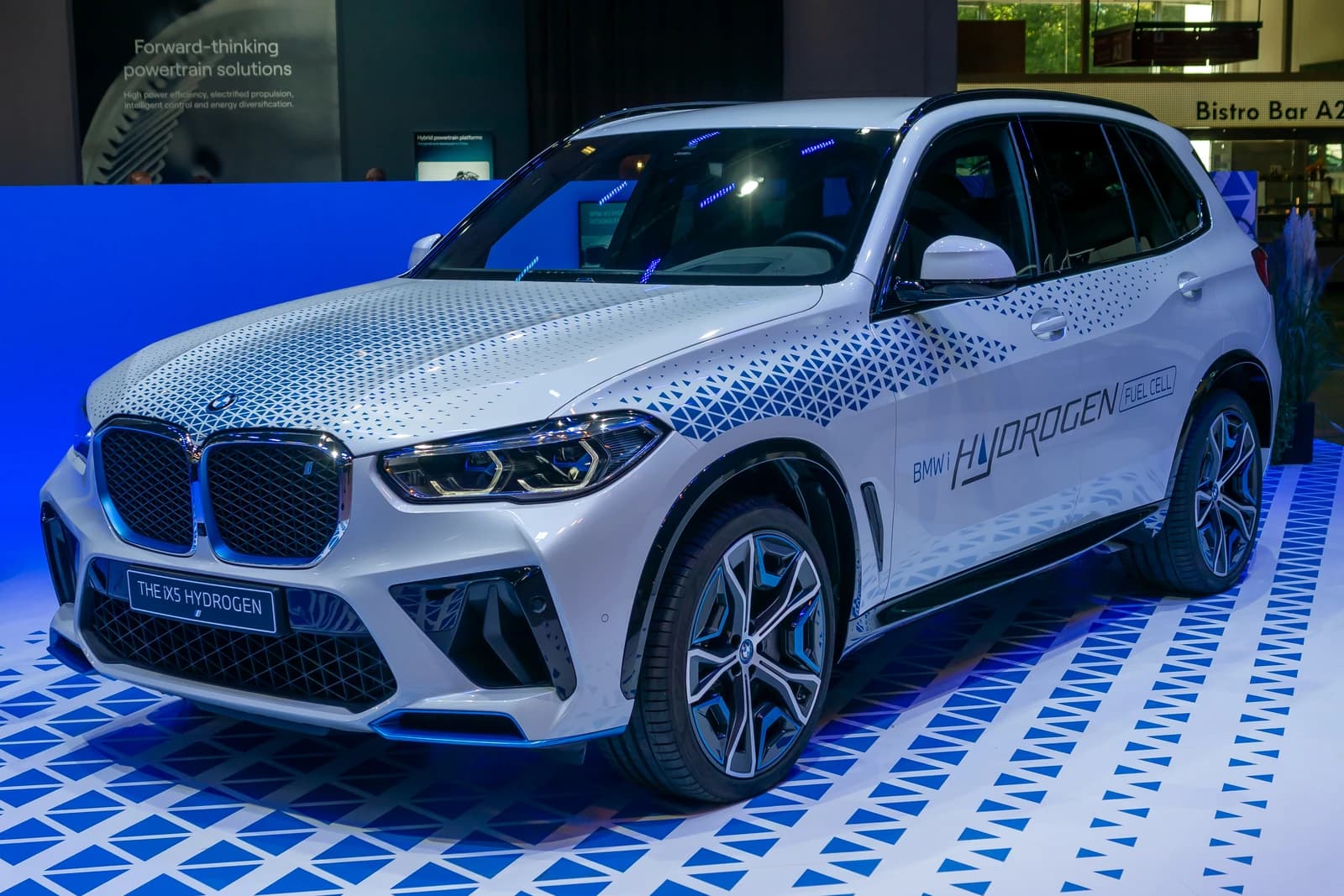
The German automaker says fewer than 100 iX5 Hydrogen SUVs are being built at a separate plant in Munich for pilot and test fleets, with the vehicles sent to international markets for demonstration purposes. BMW is using the X5 platform as the base for the fuel-cell SUV, keeping the focus on technology validation rather than a full launch.
Sentiment IndicatorsⓘProprietary · adalytica.com · September 8, 2026
This is a snapshot — live sentiment, awareness and momentum for 130+ markets update continuously in the dashboard.Open AlphaPulse
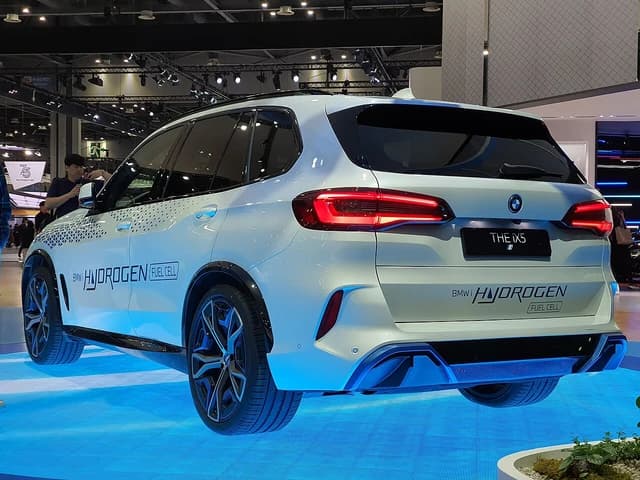
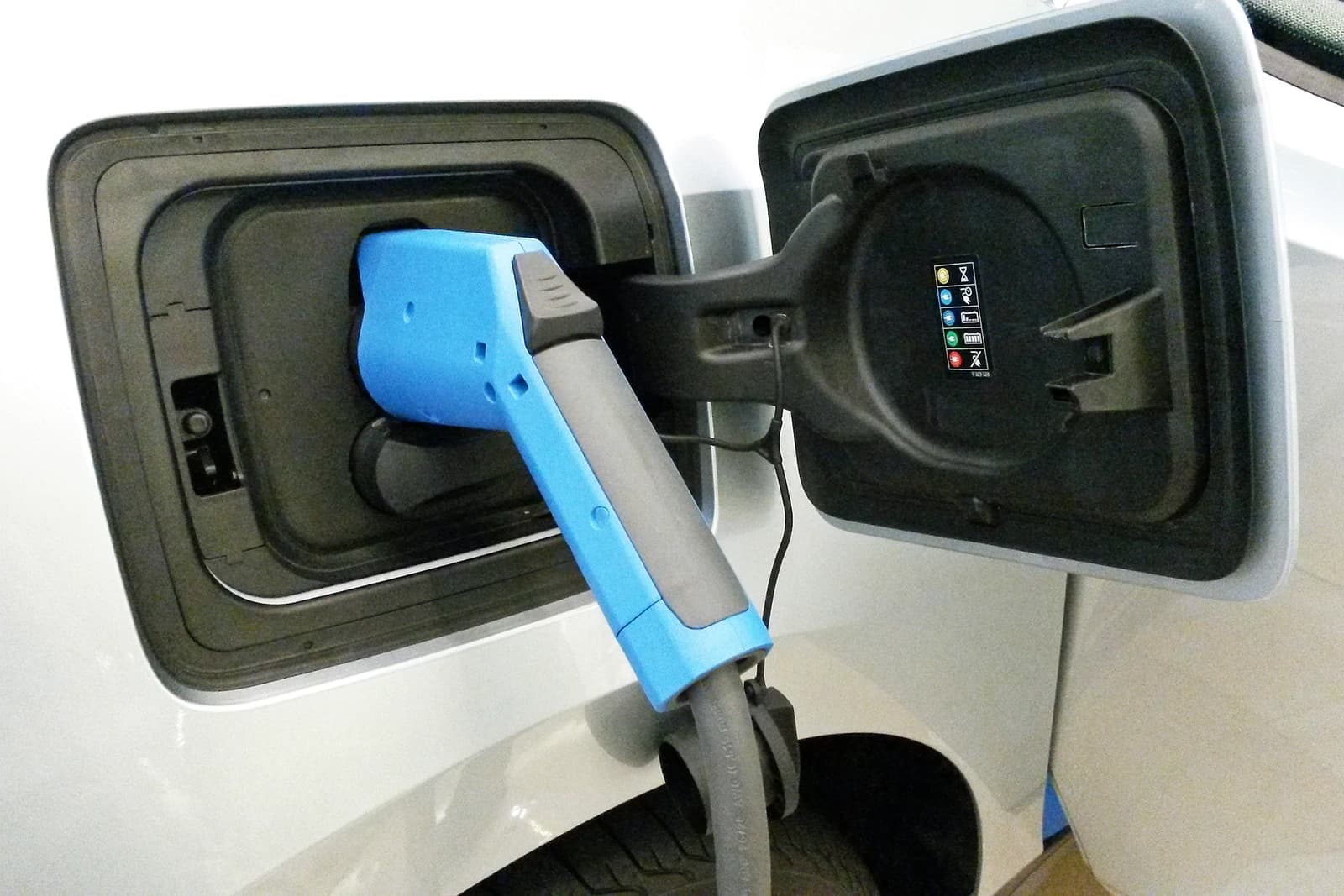
That matters for investors because hydrogen cars still face the same bottleneck that has stalled the segment for years: infrastructure. BMW says the iX5 Hydrogen can be refilled in less than four minutes and handle cold weather well, but Germany still has fewer than 100 hydrogen stations, limiting practical adoption even as the company talks up fuel cells as a long-range alternative to batteries.
The specs highlight why BMW is still experimenting rather than scaling. The SUV carries about 6 kilograms of hydrogen in carbon-fiber tanks at 700 bar, uses Toyota-supplied fuel cells, and combines them with BMW electric hardware for up to 401 horsepower in short bursts. BMW says the WLTP range is 504 kilometers, while 0-100 km/h takes under 6 seconds and top speed is capped a little above 180 km/h.

Even so, the model will not be easy to buy. BMW has not disclosed pricing, though German press reports suggest it would top 100,000 euros, and the company itself has not said when the iX5 Hydrogen could reach open-market buyers. That leaves the vehicle as a showcase for BMW’s long-running hydrogen work with Toyota, but not yet a direct challenge to battery-electric SUVs such as BMW’s own iX xDrive50.
For investors, the launch reinforces a split in the clean-transport market: hydrogen remains strategically relevant for industrial and infrastructure players, but passenger-car adoption is still constrained by economics, supply chains and fueling networks. The next catalyst will be whether BMW broadens the pilot beyond test fleets or keeps hydrogen as a niche technology while channeling most of its volume strategy into battery EVs.
| Entity | Gains | Losses |
|---|---|---|
| BMW | ▲Technology showcase | ▼Near-term mass sales |
| Toyota | ▲Fuel-cell validation | ▼Pressure for market rollout |
| Hydrogen station operators | ▲Future demand | ▼Slow vehicle adoption |
| Battery EV rivals | ▲Clearer market lead | ▼Hydrogen-car competition |