Electric-car lineups from BMW, Mercedes-Benz, Smart and Citroën are broadening into the next phase of the market, with lower prices, longer ranges and faster charging set to determine which brands win buyers as Europe’s EV adoption normalises.
BMW, Mercedes-Benz and Smart Expand Europe EV Lineups
Euro
The biggest change is not a single model, but the way established carmakers are now filling gaps across the market — from a high-performance BMW M3 to a sub-20,000-euro Smart #2 — as competition intensifies and consumers become more selective about price, charging speed and everyday usability. That matters because Europe’s EV transition is moving from early adopters to the mass market, where margins are thinner and brand loyalty is less certain.
Sentiment Indicators
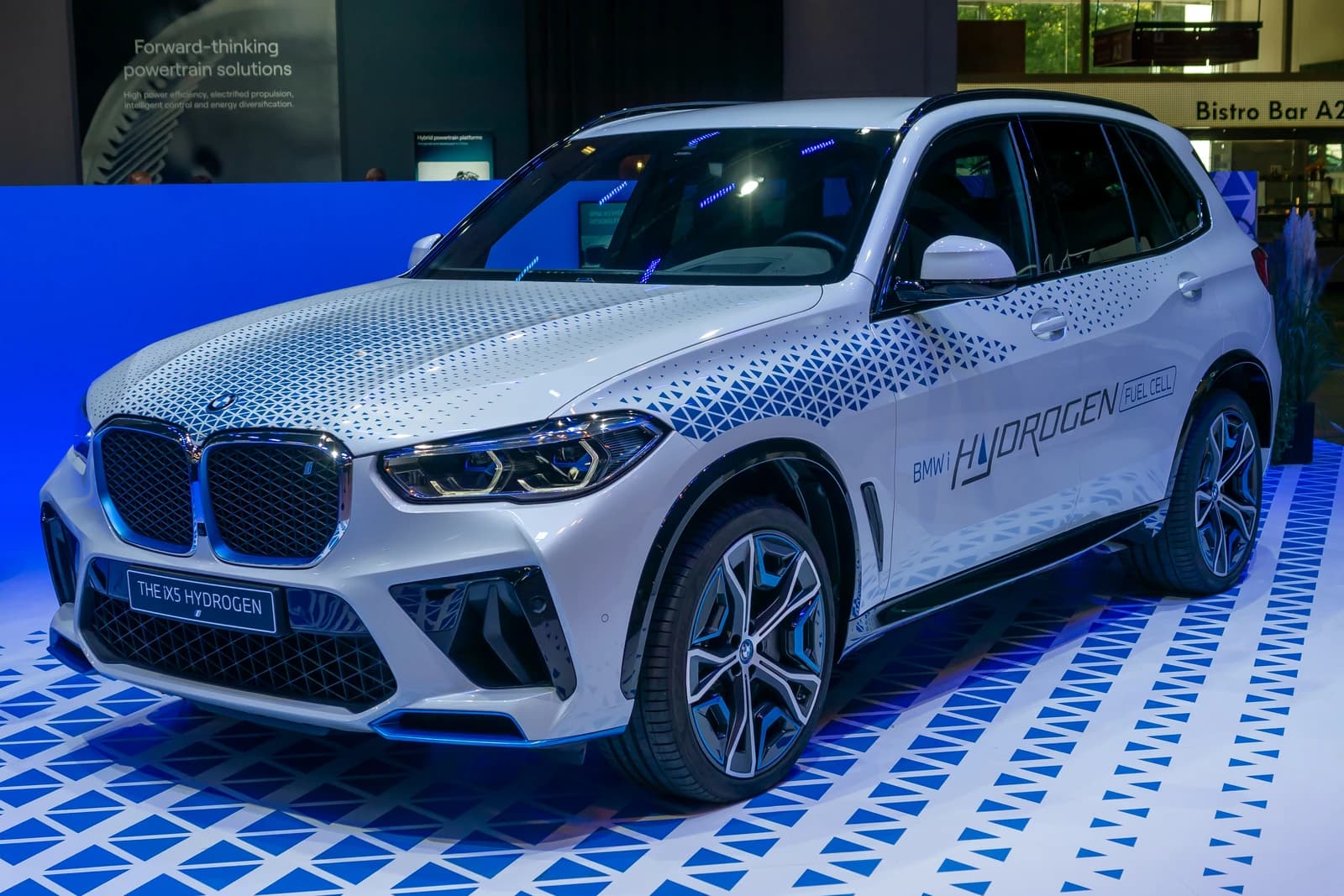
BMW’s first electric M3 is the clearest sign that premium performance is going battery-only. The carmaker is keeping technical details under wraps, but the planned four-motor layout and talk of more than 1,000 horsepower show how electric drivetrains are allowing performance brands to push output beyond what combustion engines could comfortably deliver. For BMW, the model is as much a halo product as a volume seller: it can defend the M brand in an EV era while showcasing the Neue Klasse architecture that will underpin the next generation of cars.
Mercedes-Benz is taking a different route with the electric E-Class EQ, which is expected to replace the EQE and use 800-volt technology, a shift that would materially improve charging times. That is economically important because faster charging is becoming a core buying criterion, not a luxury feature, especially for company-car drivers and long-distance users. A range of at least 700 kilometres would put the model in the upper tier of mainstream executive EVs and narrow one of the final objections to replacing diesel sedans in the premium segment.
At the other end of the market, Smart’s return of the two-seat #2 shows how manufacturers are trying to rebuild an affordable entry point into electrification. The car’s 19,990-euro starting price, 290-kilometre WLTP range and compact footprint target city buyers who do not need large batteries or motorway performance. That is strategically significant because the cheapest end of the EV market has been one of the hardest to crack: sticker prices remain the main barrier for many households, even as running costs improve.
Citroën’s revival of the “Ente” concept, along with new entries such as Volkswagen’s ID.Tiguan, points to a broader industrial shift. Carmakers are using familiar nameplates and more diverse body styles to make EVs feel less experimental and more like replacements for existing petrol models. The timing also reflects a more crowded European market, where Chinese brands such as BYD and Zeekr are pushing into Germany and forcing legacy manufacturers to defend share with better pricing and more credible product ranges.
That competitive pressure is already visible in market performance. Mercedes-Benz shares have been volatile this year, while Stellantis, the parent of Citroën, has seen its stock slump sharply, reflecting investor concern over margin pressure, execution risk and the cost of restructuring product portfolios around electrification. The strategic upside for the incumbents is that they still own the strongest brands and dealer networks; the downside is that EV volume growth alone may not translate into earnings growth if pricing weakens.
For investors, the story is that 2030 is no longer about whether electric cars arrive, but which manufacturers can make them profitable across the price spectrum. Premium EVs can support image and pricing power, but the real test will be whether automakers can combine range, charging speed and affordability without eroding returns. The next catalysts are likely to come from pricing, battery cost trends, and whether these models arrive on schedule with the technical claims now being made.
| Entity | Gains | Losses |
|---|---|---|
| BMW | ▲EV performance halo | ▼Combustion-era M3 dominance |
| Mercedes-Benz | ▲Premium EV competitiveness | ▼EQE replacement pressure |
| Smart | ▲Entry-level EV relevance | ▼Older city-car positioning |
| Legacy automakers | ▲Broader EV lineups | ▼Margin pressure from Chinese rivals |