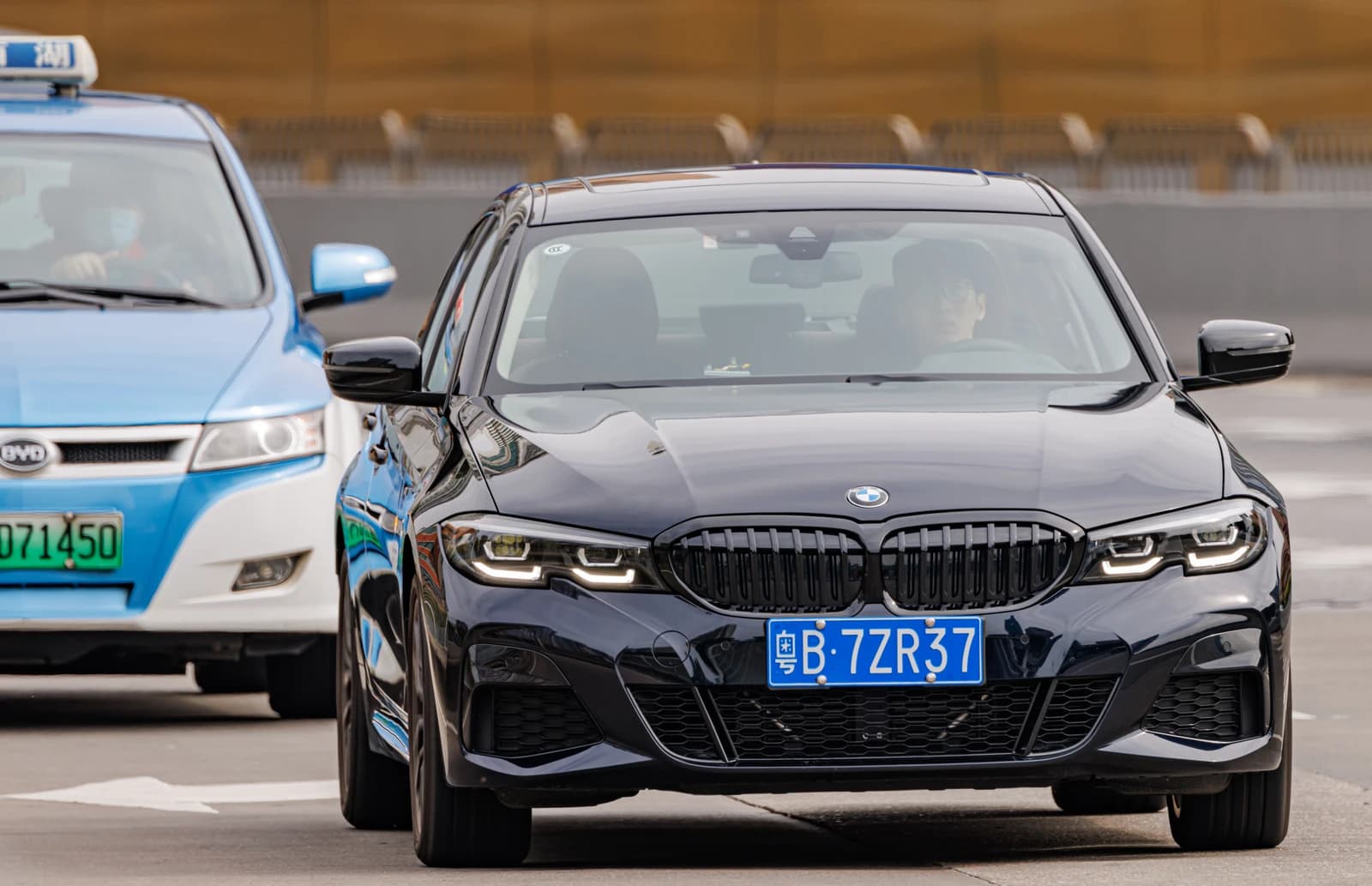
BMW is recalling nearly 190,000 vehicles worldwide after regulators identified a starter-relay defect that can let water in, corrode contacts and trigger a short circuit and engine-bay fire, a safety issue that carries more than just repair costs.
BMW recalls 189,130 vehicles over starter relay defect

The campaign covers 189,130 sedans built between July 29, 2014, and Nov. 12, 2020, including popular 3-Series, 5-Series and 7-Series models. Owners are being told to wait for letters from dealers and have the defect fixed free of charge. Warning signs include harder or unstable starts, a burning-plastic smell from under the hood and sudden electrical faults on the dashboard.
Sentiment IndicatorsⓘProprietary · adalytica.com · September 8, 2026
This is a snapshot — live sentiment, awareness and momentum for 130+ markets update continuously in the dashboard.Open AlphaPulse
For BMW, the recall is economically meaningful because fire risk is one of the most expensive kinds of quality lapse: it can generate direct warranty expense, dealer labor, logistics and loaner-car costs, but the bigger risk is brand damage in premium segments where trust and resale value matter. Safety campaigns also tend to draw closer scrutiny from regulators and customers, especially when they involve long-running production windows and high-volume core models.
Investors will also see the episode as another test of BMW’s execution at a time when the sector is already balancing software spending, electrification costs and margin pressure. A single recall rarely changes the investment case on its own, but repeated quality headlines can weigh on sentiment, raise the cost of customer retention and complicate efforts to defend pricing power against Mercedes-Benz and Audi.
The bull case is that BMW is moving before the problem escalates, limiting the chance of injury claims or larger legal exposure. The bear case is that a defect affecting nearly 190,000 cars built over six years suggests a deeper quality-control weakness that could extend beyond the direct recall bill.
| Entity | Gains | Losses |
|---|---|---|
| BMW dealers | ▲Service traffic | ▼Repair burden |
| BMW owners | ▲Free fix | ▼Safety risk |
| BMW | ▲Contained exposure if handled fast | ▼Brand and warranty costs |
| Competitors | ▲Relative quality advantage | ▼None |