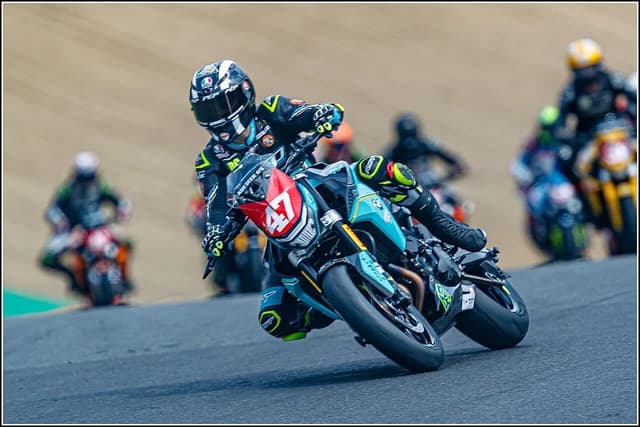
BMW’s racing story is turning into a warning for the motorcycle market: winning on the track no longer guarantees strength in the showroom, and the companies with the right product mix and brand momentum are the ones likely to capture the next leg of demand.
BMW weakness contrasts with Harley’s relative resilience

That matters because premium motorcycles sit at the intersection of discretionary spending, brand equity and industrial execution. When a manufacturer looks dominant in competition but still struggles to translate that into a compelling road bike strategy, investors should ask whether the business is investing in the right kind of growth. In a market where buyers are still chasing aspiration but becoming more selective on value, the gap between racing prestige and retail relevance can become a valuation trap.
Sentiment IndicatorsⓘProprietary · adalytica.com · July 28, 2026
This is a snapshot — live sentiment, awareness and momentum for 130+ markets update continuously in the dashboard.Open AlphaPulse
BMW’s stock has reflected that tension. BMWKY has been under heavy pressure, sliding from the mid-30s to 21.80 in the latest trading data, while its 50-day moving average has fallen to 24.87 and the 200-day average sits near 29.77. The shares remain below both, a clear sign the market has been repricing the company’s growth narrative. The RSI readings around 31 show the stock is oversold but not yet convincingly reversed, while MACD remains negative, suggesting momentum is still weak.
For investors, the more important question is not whether BMW can regain form in a single race season, but whether its motorcycle franchise can produce a durable commercial edge. That is where Harley-Davidson becomes relevant. HOG has held above its 200-day moving average and is still trading above that longer-term trend even after a recent pullback to 24.79. The stock has been far more volatile, but the broader pattern says the market continues to treat Harley as a turnaround and income story with optionality, while BMW’s motorcycle-related appeal looks more like a brand problem than a capital-light growth engine.
The market is underestimating how much this matters in a world where motorcycle demand is increasingly split between premium touring, adventure bikes and high-performance niche models. Racing success can amplify desire, but it cannot fix a weak product ladder or sluggish dealer execution. The real upside is likely to go to the company that can convert brand loyalty into repeat purchases, accessory sales and pricing power — the classic high-margin aftermarket play that investors love.
That creates a clear investment lens. BMW’s recent technical breakdown argues for caution on the name until the company proves its motorcycle strategy can do more than generate headlines. Harley-Davidson, meanwhile, remains a higher-beta way to express any recovery in U.S. discretionary powersports spending, especially if interest rates ease and consumers regain confidence. The broader trade is that premium motorcycle winners will be determined less by trophies and more by who can monetize lifestyle demand at scale.
If the next catalyst is a stronger consumer backdrop or renewed enthusiasm for premium two-wheelers, the winners should be the brands with the clearest roadmap to pricing power and margin expansion. Right now, the market is signaling that BMW has work to do.
| Entity | Gains | Losses |
|---|---|---|
| Harley-Davidson | ▲brand-led rebound potential | ▼weaker if spending softens |
| BMW motorcycle franchise | ▲racing visibility | ▼showroom conversion risk |
| Premium bike buyers | ▲more product choice | ▼fewer clear performance leaders |
| BMWKY shareholders | ▲oversold bounce potential | ▼trend remains weak |