BMW’s X5 is being recast for the Neue Klasse era without surrendering the formula that made it one of the company’s most important global models: luxury-car polish, sharp handling and the kind of breadth that lets it straddle family duty, long-distance comfort and performance.
BMW X5 gets Neue Klasse redesign and iX5 EV
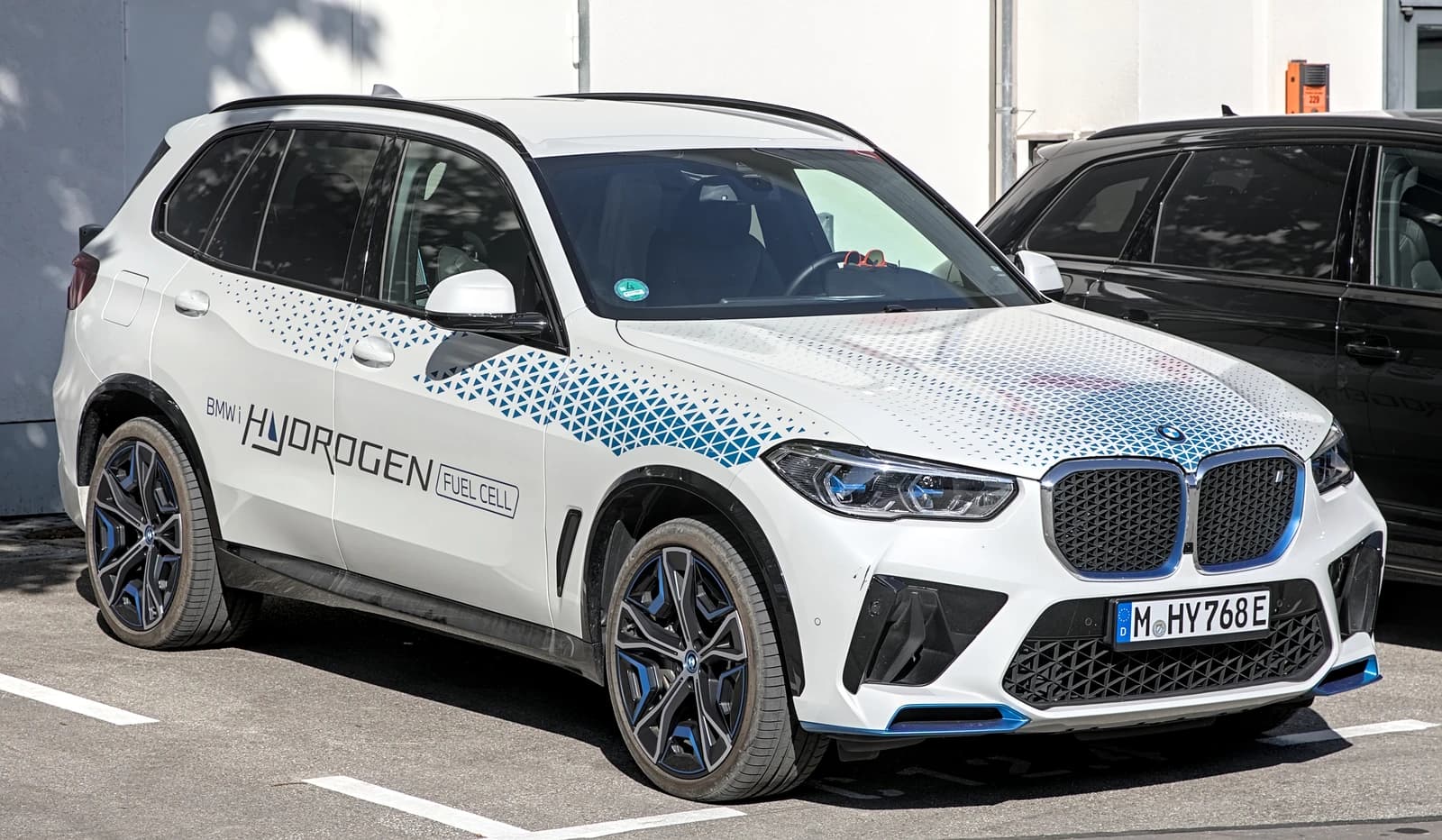
That balance matters because the premium SUV market is now where BMW, Mercedes-Benz and others are fighting hardest for margin, and the X5 remains a core profit engine. BMW says the model has sold more than 3.1 million units worldwide since its 1999 debut, and the fifth-generation version adds a fully electric iX5, a plug-in hybrid, a V8 and an updated inline-6, giving the nameplate a wider footprint just as rivals are pressing deeper into electrified luxury SUVs.
The new X5 also shows how BMW is threading a difficult needle. The company wants the Neue Klasse architecture to modernize software, packaging and drivetrain efficiency, but without dulling the driving feel that has long differentiated BMW from larger, softer competitors. Christoph Kohl, a BMW powertrain project leader, said the vehicle is “still a driver’s car,” even as comfort has been increased for passengers. That is the commercial logic of the redesign: protect a loyal base while making the SUV relevant to buyers who now expect more range, more screens and more semi-automated convenience.
The electric iX5 is the most telling version of that strategy. BMW says it will use a 144-kilowatt-hour battery, its largest yet, with peak charging speeds approaching 460 kilowatts and range expected to exceed 730 kilometres. In practical terms, that puts BMW in the upper tier of the premium EV field on range and charging speed, both of which remain among the most important purchase criteria for luxury buyers still wary of electrics. The company says the iX5 can add 273 kilometres of range in 10 minutes at peak speed, a number that helps position it against the long-range claims of newer Chinese and European EV rivals.
For investors, the significance is not just technological. The X5 is built entirely in Spartanburg, South Carolina, reinforcing BMW’s North American manufacturing footprint at a time when tariff, supply-chain and localization risks remain central to the auto sector. The product mix also matters for earnings resilience: the inline-6 X5 40 xDrive, starting at $95,000 in Canada, is expected to be the volume seller, while the EV and higher-trim variants can support pricing power. That combination is important in a luxury segment where margins depend on keeping buyers trading up, not just keeping them in the brand.
The design and interior changes also underline how the company is trying to prevent software from becoming an afterthought. BMW has replaced the traditional gauge cluster and rotary controller with a panoramic windshield display and a larger central screen, while adding an optional passenger screen and new digital assistants. It is a cleaner, more contemporary cabin, but one that also risks alienating some loyalists who value BMW’s more tactile controls. The trade-off is familiar across the industry: manufacturers are spending heavily to make vehicles feel more like software platforms, even as some buyers still prefer the old mechanical simplicity.
There are, however, risks to the strategy. The X5 is larger, heavier and more expensive than before, and the fully electric version’s mass — about 2,890 kilograms — shows the limits of trying to make a high-performance SUV into a long-range EV. The removal of the split tailgate may frustrate some owners, and the proliferation of screens and electronically actuated doors could reinforce the perception that luxury brands are adding complexity faster than value. But BMW appears willing to accept that risk because the market reward is clear: premium buyers still want an SUV that drives like a BMW, even if it now looks and behaves more like a rolling computer.
For the broader sector, the X5 illustrates the next phase of the luxury SUV race. Mercedes-AMG has already shown how far performance can be pushed in electrified form, while BMW is responding by broadening powertrain choice rather than chasing outright horsepower headlines. That suggests the competitive battleground will be less about one extreme specification and more about how well each brand can blend range, software, charging speed and road feel.
The investment question is whether BMW can preserve the X5’s status as a margin-rich, brand-defining model while using the Neue Klasse platform to catch up on electrification. If the answer is yes, the X5 remains exactly what it has long been: the sport sedan of SUVs, only now with a more ambitious battery, more software and a wider role in BMW’s transition.
| Entity | Gains | Losses |
|---|---|---|
| BMW | ▲Higher-tech X5 mix | ▼Some traditionalists |
| BMW dealers | ▲New premium pricing | ▼Simpler product loyalty |
| Luxury SUV rivals | ▲Sector momentum | ▼BMW market share |
| EV buyers | ▲730-km range, fast charging | ▼Lower-weight vehicles |