Bolivia’s new government says it inherited a foreign ministry saddled with more than $32 million in unpaid obligations, a fiscal mess that underlines how much the country has to repair before its international re-engagement can translate into real economic gains.
Bolivia reports $32 million foreign ministry arrears
The debt matters because diplomacy is not just ceremonial for a country trying to re-enter global forums after years of isolation. Unpaid dues to international organizations can weaken Bolivia’s ability to vote, influence decisions and secure support on everything from trade and financing to multilateral lending. For investors, that raises a practical question: whether the Paz administration can rebuild credibility fast enough to unlock external engagement, while still cleaning up domestic arrears and a damaged state apparatus.
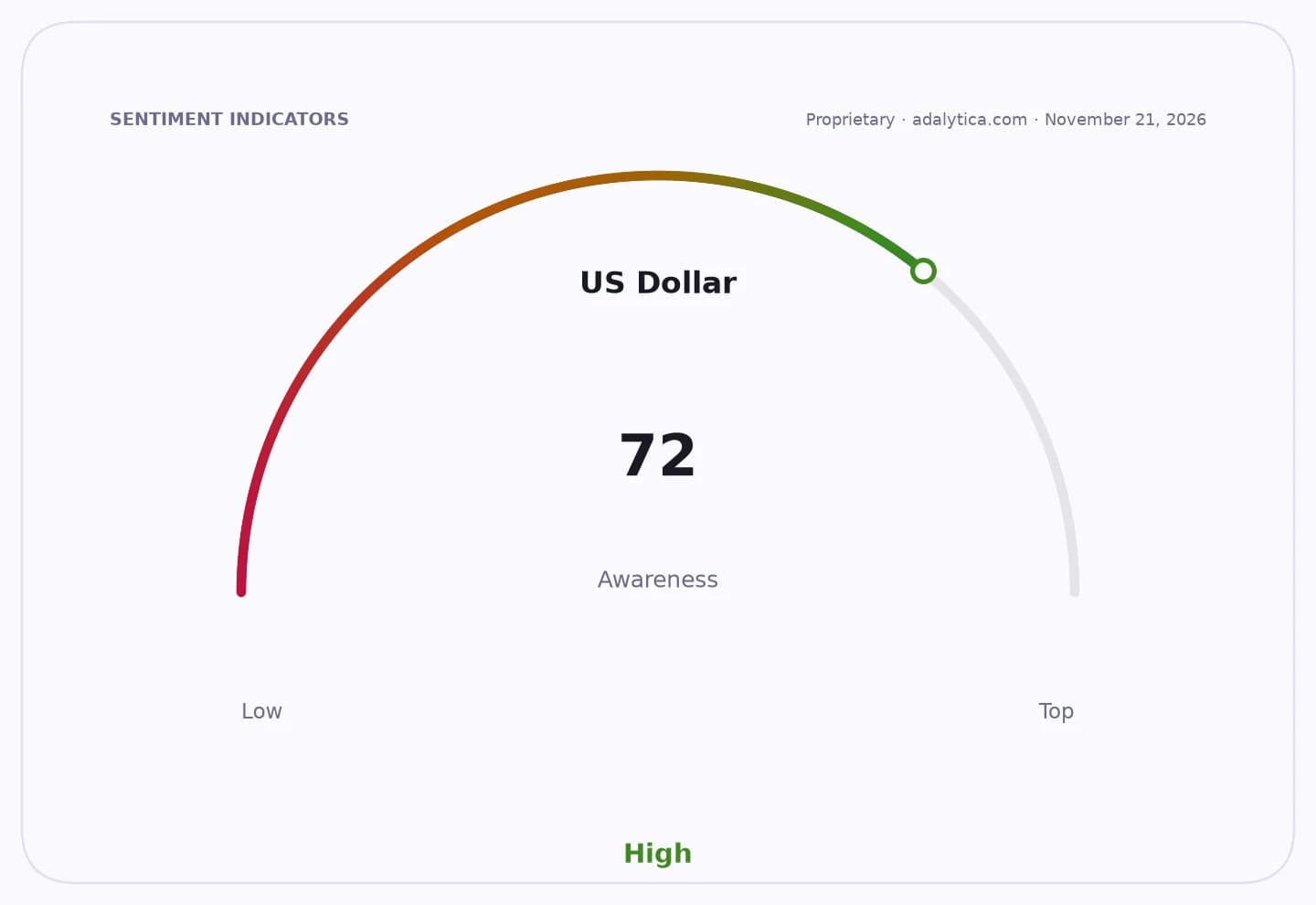
Sentiment Indicators
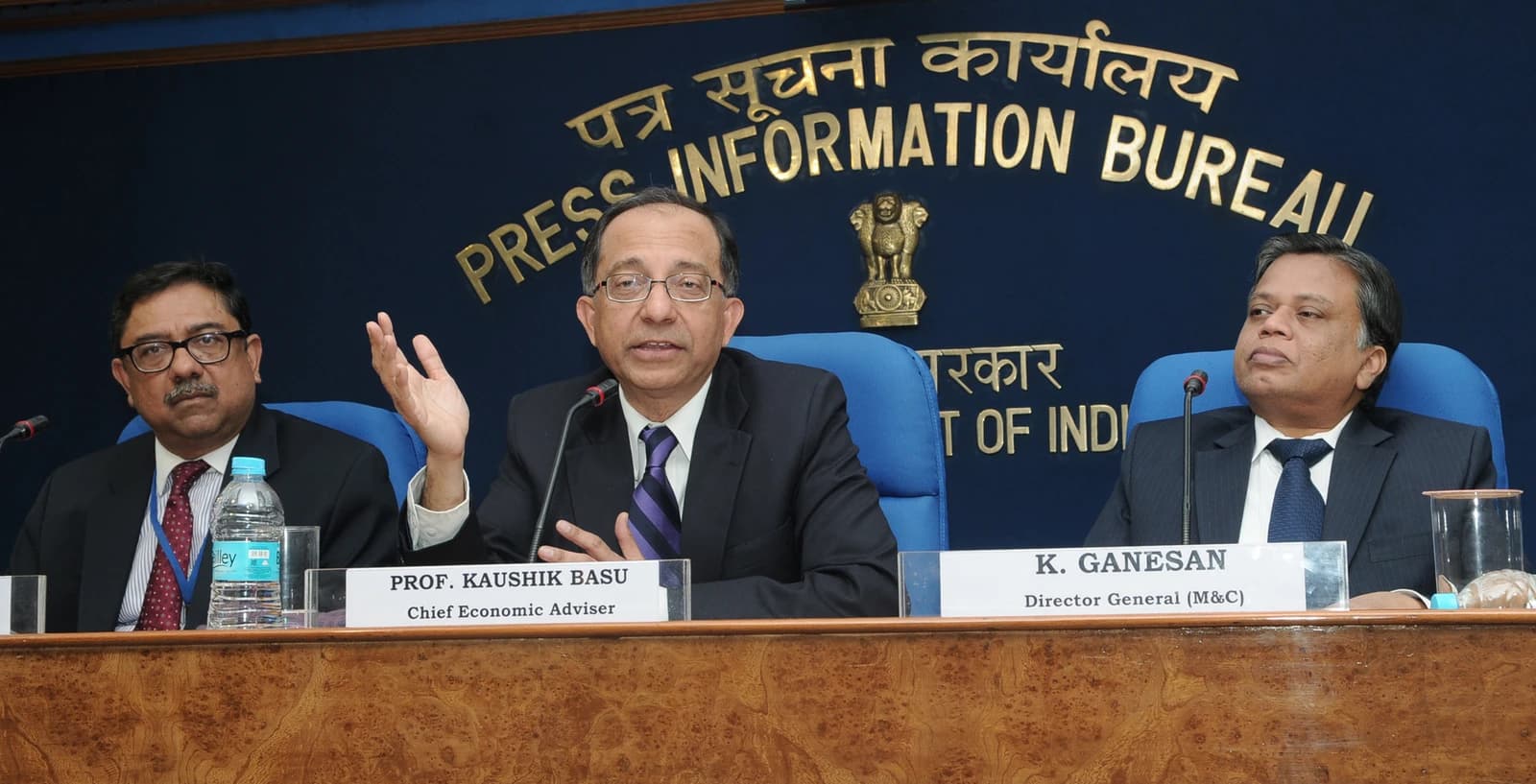
Vice Foreign Minister Carlos Paz said the ministry was left with more than $30 million owed to international bodies and over $2 million in unpaid salaries to internal and external staff, adding up to more than five months of wages. He said the salary problem was resolved in March and that payments to international organizations were already being addressed. He also said the government had lacked a coherent foreign policy, and that a framework for external relations was only recently drafted after talks with countries and multilateral institutions.
That is politically important, but it is also economically relevant. Bolivia is trying to signal to lenders, trading partners and multilateral agencies that it is open for business again after years of isolation. The administration says it has already sent delegations to Davos and Panama, with President Rodrigo Paz attending the Ibero-American Summit in Spain. It has also begun filling diplomatic posts, including nominations for Uruguay, the United States and the Organization of American States, pending Senate approval.
For markets, the key issue is whether this reset improves Bolivia’s access to capital and policy coordination at a time when emerging markets are especially sensitive to sovereign credibility. A country that cannot keep up with international dues, or pay its own diplomats and staff, sends a clear warning signal about fiscal discipline and governance. Conversely, repairing those arrears is often the first step toward restoring trust with creditors, development banks and foreign investors.
The broader narrative is straightforward: Bolivia is trying to move from diplomatic absence to reintegration, but the bill for past neglect is already on the table. If Paz can stabilize the foreign ministry, define a consistent external strategy and normalize relations with multilateral institutions, that could become a small but meaningful catalyst for wider economic normalization. If not, the country’s return to global forums risks remaining symbolic rather than investable.
The opportunity, in our view, is to watch for second-order beneficiaries of a more open Bolivia: infrastructure contractors, regional trade links, and any sovereign-linked assets that benefit if multilateral access improves. But until the government proves it can clear arrears and restore basic state functionality, investors should treat the diplomatic thaw as a necessary first step, not a finish line.
| Entity | Gains | Losses |
|---|---|---|
| Bolivia government | ▲Diplomatic reset | ▼Immediate fiscal credibility |
| Multilateral institutions | ▲Debt repayment prospects | ▼Exposure to arrears risk |
| Foreign investors | ▲Potential normalization | ▼Policy uncertainty |
| Public sector staff | ▲Salary arrears cleared | ▼Years of institutional damage |