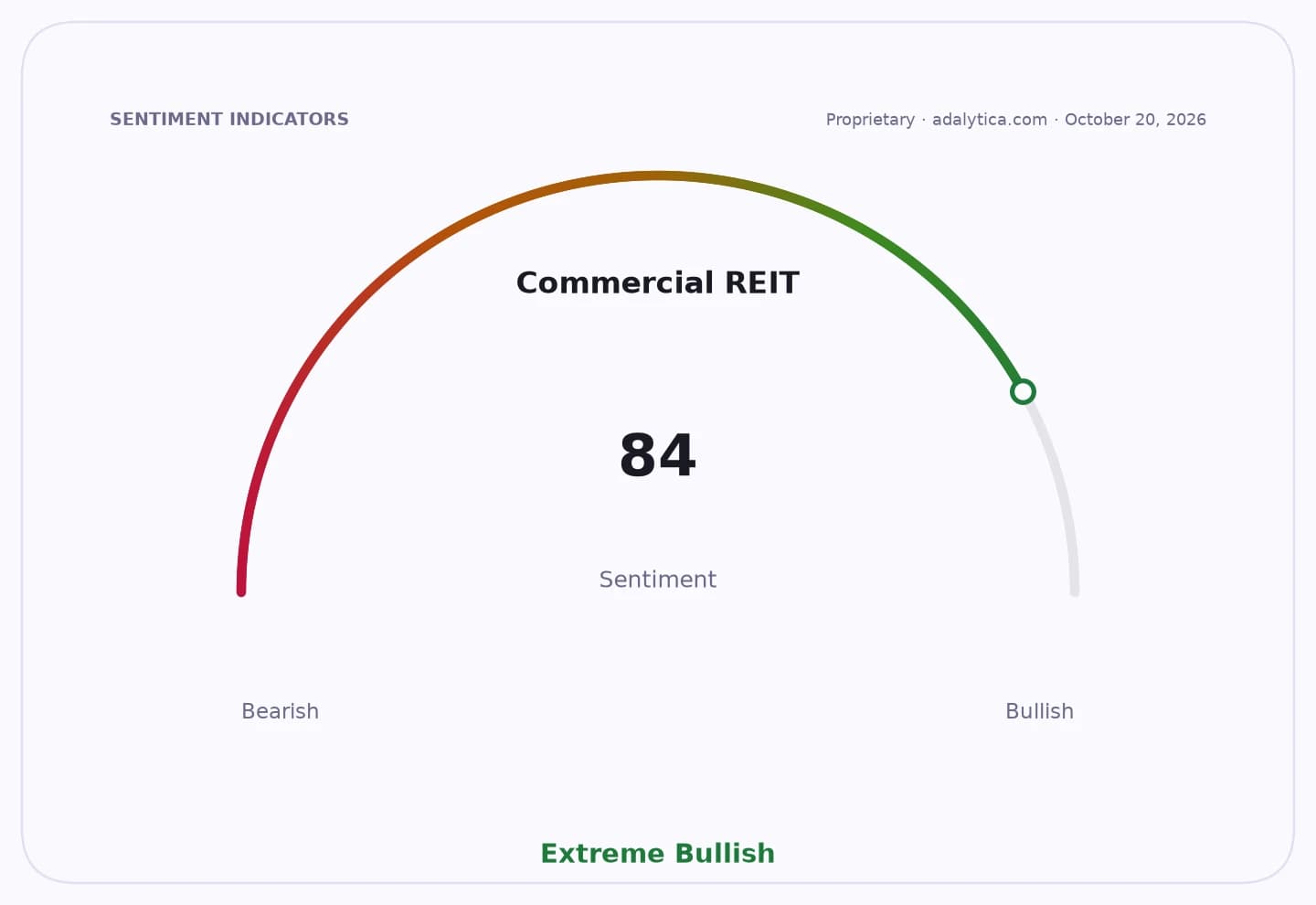
Bonyan’s decision to buy 500,000 treasury shares is a clear vote of confidence in a stock the company says is trading far below the value of its property portfolio, and it gives investors a concrete signal that management sees room for the market to reprice the business higher.
Bonyan buys 500,000 shares in buyback program
That matters because buybacks can do more than support a share price. When a company with recurring rental income and a sizable asset base retires stock at what it believes is a steep discount, it can lift earnings per share over time and make each remaining share a bigger claim on the underlying assets. For long-term investors, that is especially important in businesses built around commercial real estate cash flow, where the appeal lies less in rapid growth and more in steady compounding.
Bonyan said the shares were bought during Thursday’s session under a board-approved repurchase program covering up to 4% of its issued capital through open-market purchases. The company said the program runs from Oct. 7 to Nov. 5, 2026, and must comply with rules set by Egypt’s Financial Regulatory Authority.
The buyback also reflects a defensive response to a stock that has lagged despite improving operating performance. Bonyan’s managing director, Tarek Abdelrahman, said the recent decline has left the shares at what he called attractive valuations, with the last close of 4.08 Egyptian pounds implying roughly a 50% discount to the latest independently assessed total value of the company’s property portfolio.
That discount is the real story for investors. A company trading at half of its appraised asset value can offer a margin of safety if those valuations hold and rental income continues to expand. Bonyan says its focus is on owning completed commercial and administrative properties that generate recurring revenue, rather than taking on the risks associated with traditional property development. That distinction matters in a market where investors often punish highly leveraged or project-dependent real estate models.
The company has also been showing operating momentum. It said rental and maintenance revenue jumped 51% to 158.9 million pounds in the recent quarterly periods, while the value of its investment properties rose to 16.6 billion pounds. Those figures help explain why management is willing to direct surplus capital back into stock rather than sit on cash.
For shareholders, the repurchase may be most meaningful as a confidence signal. Bonyan came to market only in January 2025 through a 1.8 billion-pound listing, so support from management at an early stage can help anchor sentiment and narrow the gap between the market price and the company’s view of intrinsic value. The stock still needs that valuation gap to close, but buybacks, recurring income and a stronger asset base give investors a reason to keep watching.
| Entity | Gains | Losses |
|---|---|---|
| Bonyan shareholders | ▲Higher EPS, price support | ▼Fewer shares outstanding |
| Bonyan management | ▲Stronger confidence signal | ▼Cash used for buybacks |
| Long-term investors | ▲Discount-to-asset-value opportunity | ▼Near-term volatility remains |
| Short sellers / skeptics | ▲— | ▼Potential valuation re-rating |