AI is getting better at searching flights and hotels, but that is exactly why travel advisors may matter more, not less, for Booking Holdings, Expedia and Tripadvisor investors.
Booking Holdings, Expedia, Tripadvisor and AI Travel
The new twist in online travel is not that artificial intelligence will eliminate the human planner. It is that AI will commoditize the first part of the trip-planning process — inspiration, comparison and filtering — and leave the highest-value part to trusted advisors and brands that can turn a complicated itinerary into a booked, paid and problem-free vacation. That is good news for the companies that own the best inventory, the strongest loyalty hooks and the most reliable service layers.
Booking Holdings appears best positioned to benefit from that shift. Its latest filing says it is pushing a “Connected Trip” that bundles planning, booking, payment and the in-trip experience into a more personalized product. That matters because AI can surface options, but it does not replace the customer confidence that comes from a platform that can handle changes, cancellations, payments and support across the whole trip. The same logic helps explain why Expedia keeps talking up its brand strength and supply technology, while Tripadvisor leans on user-generated content and high-intent discovery for its experiences business.
Investors should care because the economics of travel are moving toward services that are harder for AI to fully automate. A traveler can ask a chatbot for a cheaper hotel, but a family booking a multi-city Europe trip, a last-minute business itinerary or a destination wedding still wants reassurance, accountability and someone to fix problems when things go wrong. That is where advisors, whether human or platform-driven, can still earn their keep — and where online travel companies can defend pricing power and customer lifetime value.
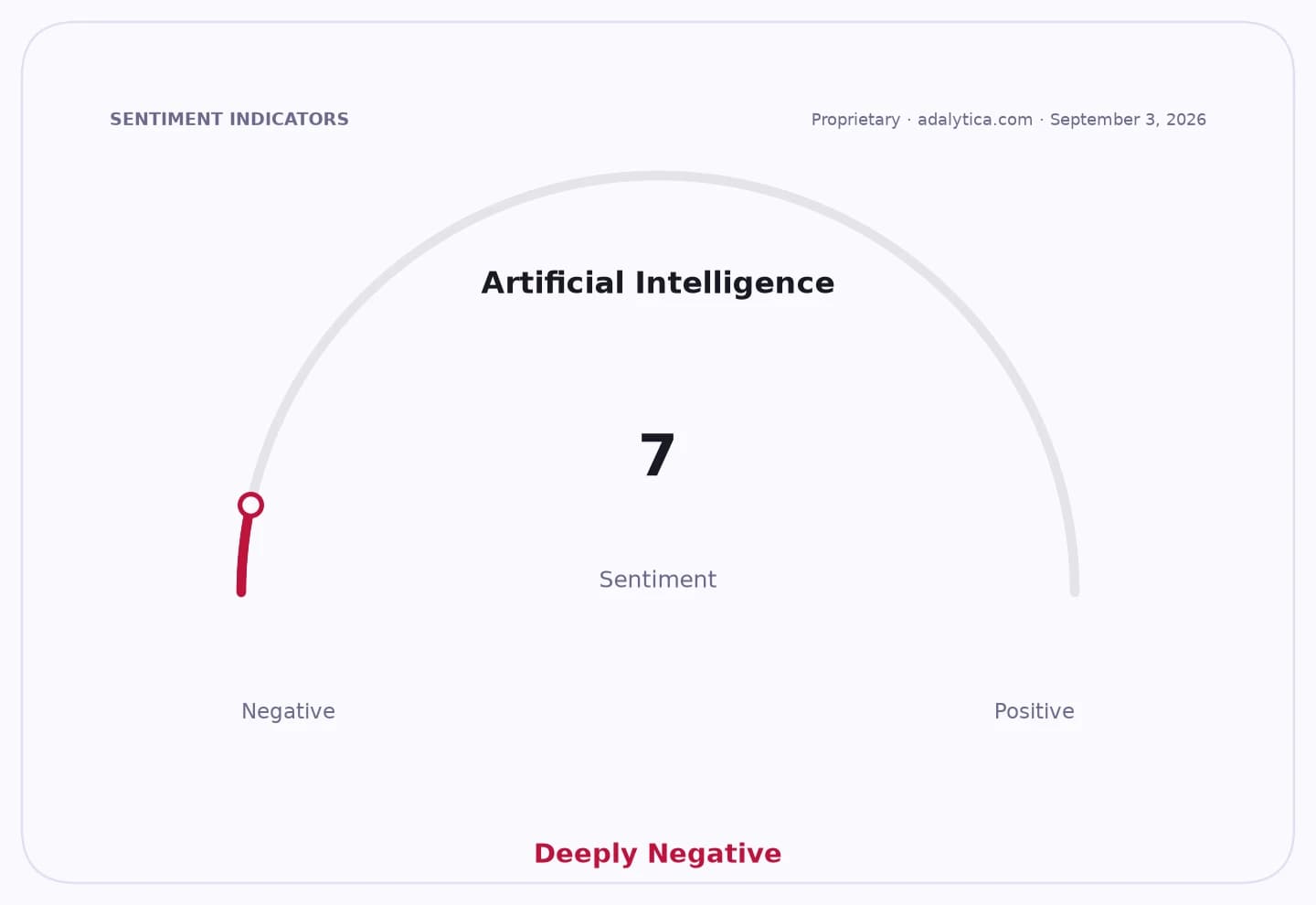
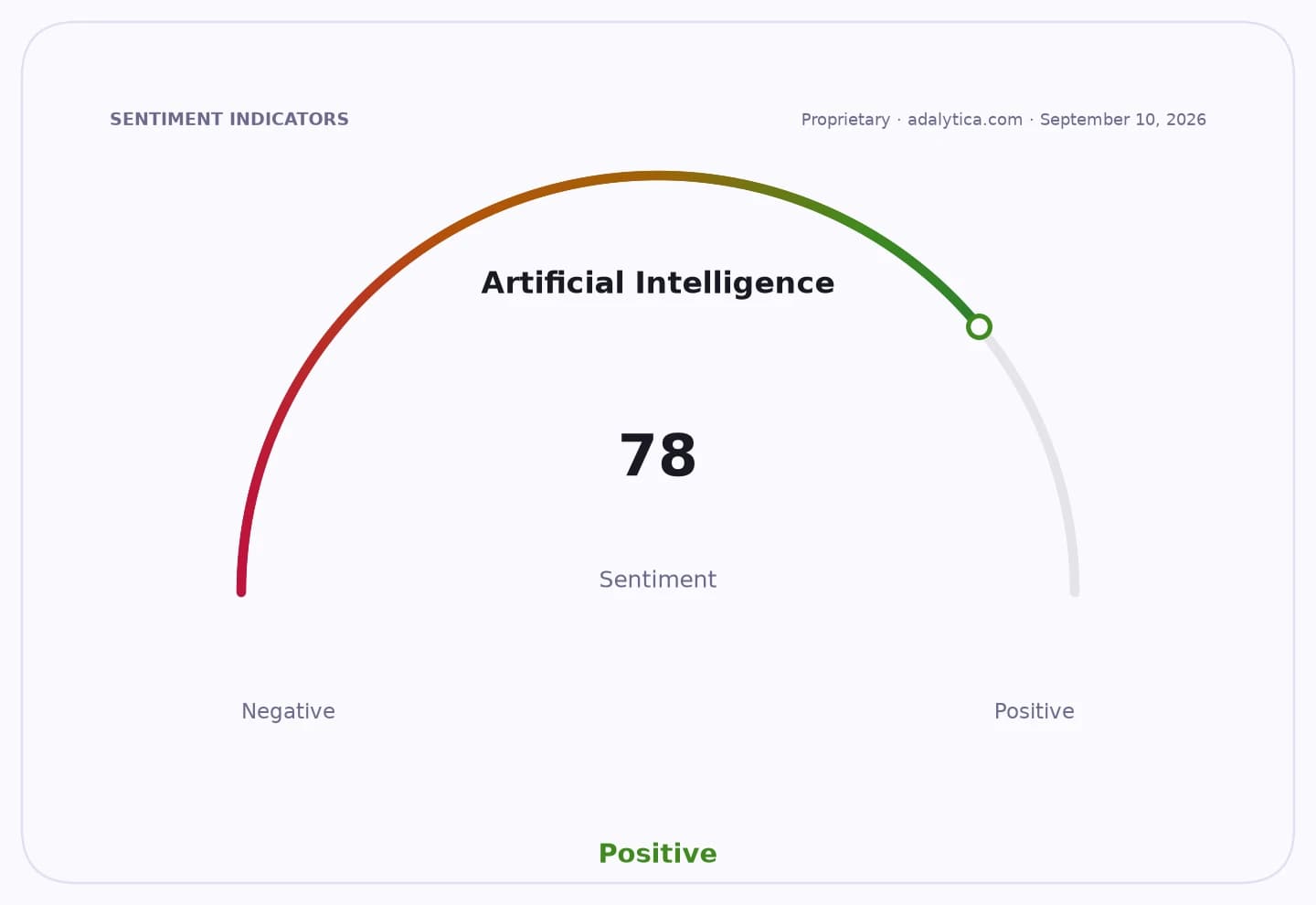
Artificial Intelligence vs BKNGadalytica.com
Explore this data interactively — full history, time series and cross-market comparisons.Open AlphaPulse
The stock action tells a cautionary story in the near term. Booking has dropped to about $173 after trading above $200 earlier this month, with its relative strength index sinking to 18, a deeply oversold reading. Expedia has slid to roughly $273 from more than $329 in late August, while Tripadvisor has fallen to $8.82 and remains near multiyear lows. Technical indicators are weak across the group, suggesting investors are worried about more than just another AI headline.
But long-term investors should think differently. AI is likely to increase travel search volume, lower planning friction and boost transaction frequency across the sector. The winners will be the companies that convert that traffic into durable relationships, not just clicks. In other words, the travel brands that combine machine efficiency with human trust may end up stronger than the pure chat interface everyone is talking about today.
For patient investors, that makes the travel-advisor theme worth watching, especially at Booking Holdings, which still looks like the clearest long-term compounding story in online travel. Expedia deserves a look if you believe execution improves, while Tripadvisor remains the higher-risk, higher-uncertainty bet. In a world where AI can plan the trip, the real question is who gets paid to finish it.
| Entity | Gains | Losses |
|---|---|---|
| Booking Holdings | ▲More direct booking power | ▼Standalone trip-planning apps |
| Expedia | ▲More AI-assisted searches | ▼Pure price-comparison shopping |
| Tripadvisor | ▲High-intent discovery traffic | ▼Generic chatbot itineraries |