Bosnia and Herzegovina’s banking system is sitting on a larger buffer than a year ago, with foreign exchange reserves at the central bank rising to 19.9 billion marka at the end of September, a record amount that underscores continuing inflows and a still-ample liquidity backdrop for the financial sector.
Bosnia banking reserves hit record as loans grow
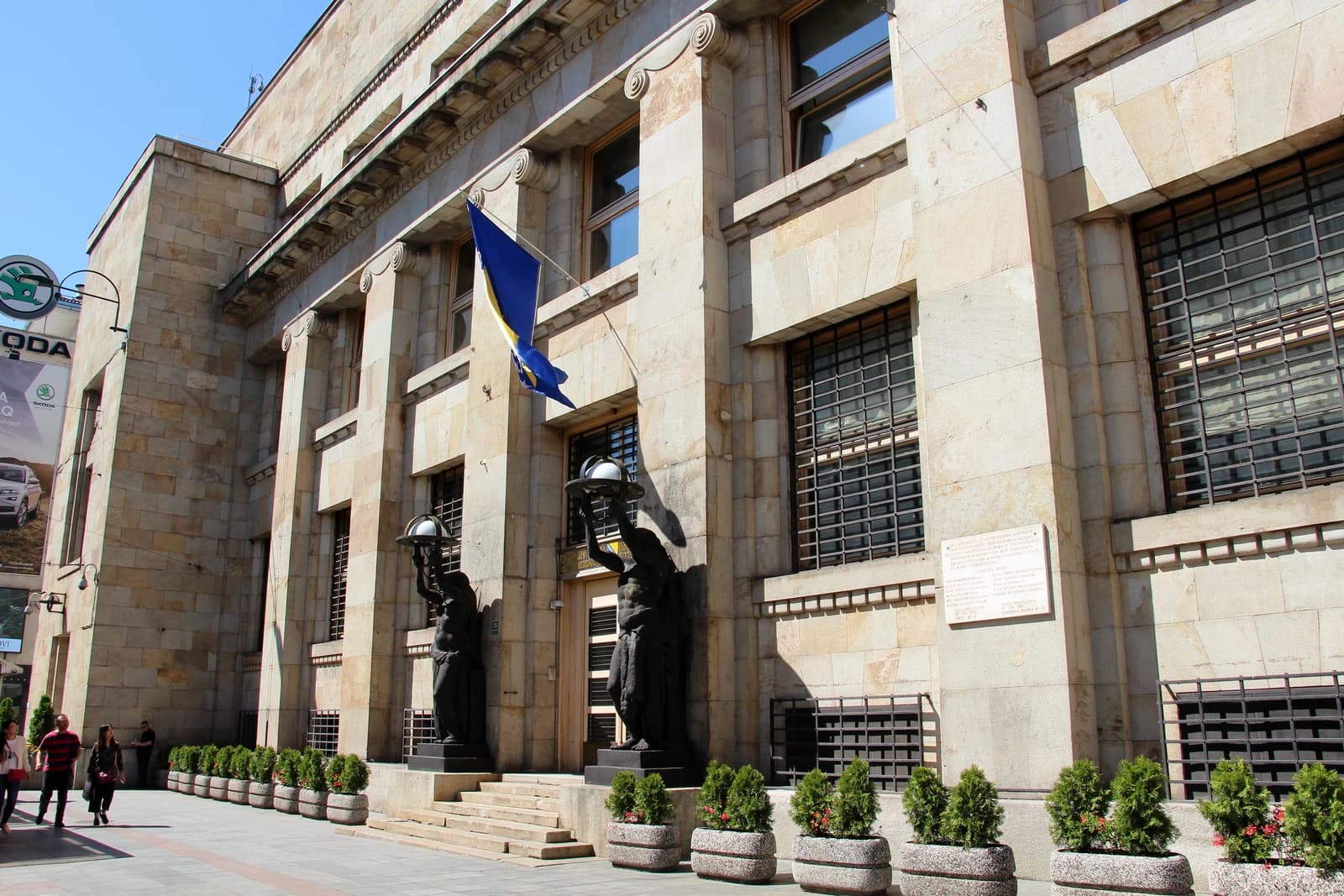
That matters because in a currency board economy, reserve growth is more than an accounting item: it is the main backstop for confidence in the marka and a key signal that the system has enough foreign-currency assets to support monetary stability. For investors, the increase points to resilience in the country’s external position even as domestic credit demand remains strong and banks keep competing for deposits.
The reserves were up 1.98 billion marka, or 11.1%, from a year earlier, according to central bank data. At the same time, loans to domestic sectors reached 31.93 billion marka at the end of September, up 1.6% from the previous month and 14.9% from a year earlier, showing that borrowing activity has remained robust across households, companies and the public sector.
Households accounted for 1.75 billion marka of the annual loan increase, while lending to government institutions rose 781.9 million marka and loans to non-financial private enterprises climbed 1.3 billion marka. That mix suggests the banking system is financing both consumption and investment, but also that public-sector borrowing remains an important part of balance-sheet expansion.
Deposits, meanwhile, rose to 41.05 billion marka, up 13.3% year on year. Household deposits alone grew 1.0% from the prior month, with transaction accounts making up more than half of the total. That points to a depositor base that is still highly liquid, but it also shows banks have a steady source of funding to match the pace of loan growth.
The combination of higher reserves, faster lending and rising deposits is generally constructive for the banking sector. Strong reserves support confidence in the fixed exchange-rate framework, while deposit growth helps banks fund credit expansion without obvious near-term pressure on liquidity. For borrowers, however, the same dynamic can keep credit supply available even as financing costs remain sensitive to broader regional rate trends.
The main risk for investors is not an immediate funding squeeze but a slower deterioration in balance-sheet quality if loan growth outpaces households’ and firms’ ability to service debt. The strongest case for Bosnian banks is that robust deposits and reserves provide a cushion; the weaker case is that persistent credit growth, especially in the public and household segments, could eventually test asset quality if the economy softens.
For now, the headline is that Bosnia’s central bank is holding more foreign exchange than ever while the domestic banking system continues to expand. That combination supports financial stability, but the next test will be whether loan growth can keep pace without forcing banks to pay more for deposits or take on more credit risk.
| Entity | Gains | Losses |
|---|---|---|
| Central Bank of BiH | ▲Larger reserve buffer | ▼Less room for complacency |
| Depositors | ▲Higher system confidence | ▼Lower real return risk |
| Banks | ▲Stronger funding base | ▼Margin pressure from competition |
| Borrowers | ▲Continued credit availability | ▼Rising debt burden |