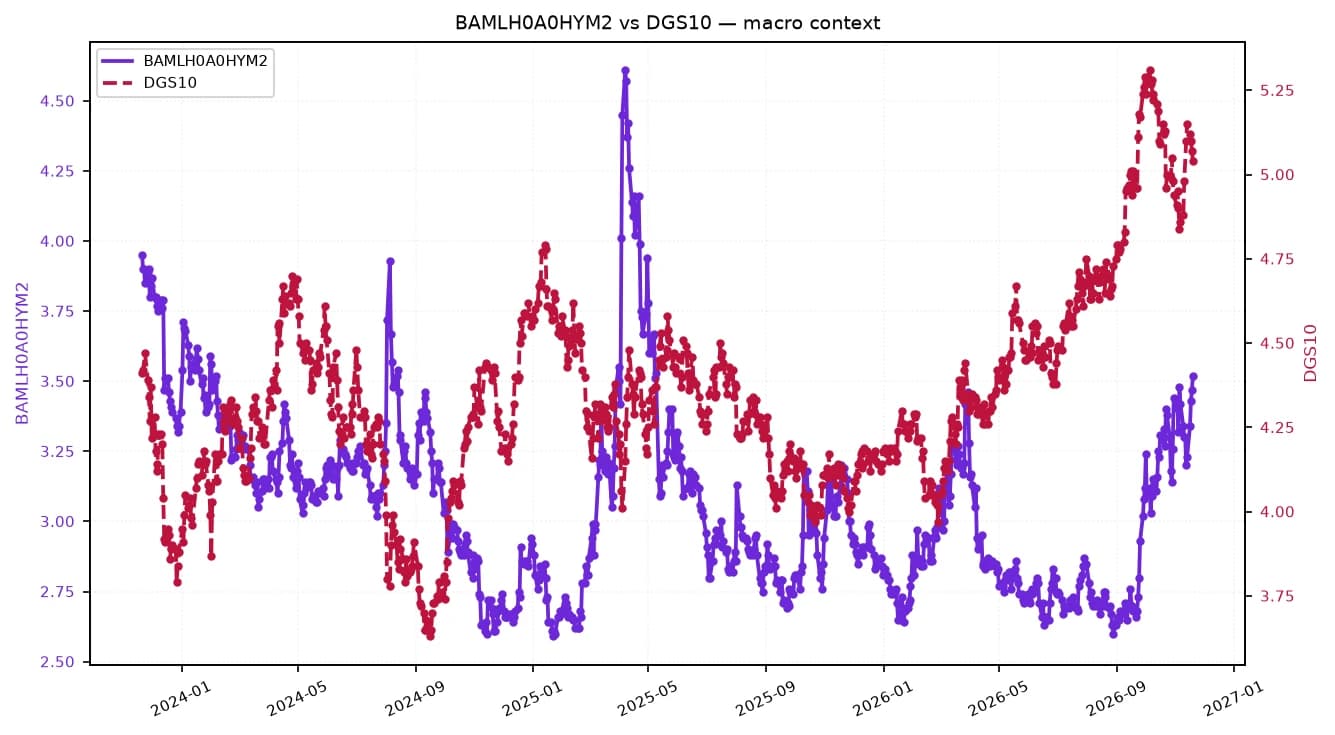
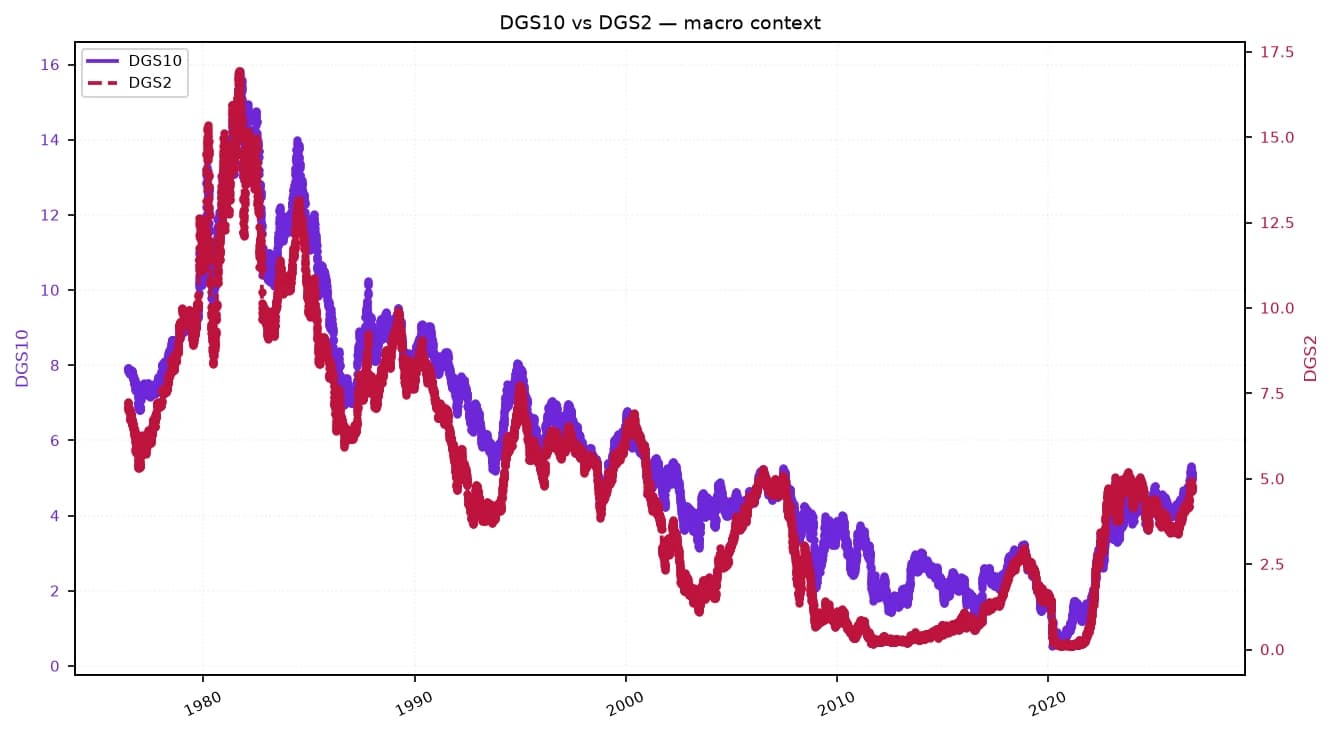
Scott Bessent’s message that American banks are well equipped comes as the market is once again asking how much higher long-term borrowing costs can go before they start biting. That matters because the 10-year Treasury yield is hovering around 4.9%, a level that shapes everything from mortgage rates to corporate borrowing costs and the value of bank loan portfolios.
U.S. Banks Hold Up as 10-Year Yield Nears 4.9%
Liquidity Conditions
For investors, the key question is not whether banks can survive a higher-rate backdrop — they already have — but whether earnings can keep compounding if funding costs stay elevated and credit conditions tighten. The answer so far looks encouraging. The KBW Bank ETF has held above both its 50-day and 200-day moving averages, a sign that the market still sees the sector as fundamentally resilient even after recent swings. JPMorgan Chase, the largest U.S. bank, is still trading well above those long-term trend lines despite a sharp pullback from early-November highs.
Sentiment Indicators
That resilience helps explain why policymakers are sounding more comfortable about the health of the financial system. When a Treasury secretary says banks are prepared, he is effectively signaling that the system can absorb higher rates, more volatile credit spreads and slower loan growth without immediate stress. That’s important for the economy because banks are the transmission mechanism for credit. If they keep lending, consumers and businesses can keep spending and investing.
The bond market is telling a similar story, though not a relaxed one. The 10-year yield forecast for the next session sits just under 4.9%, while high-yield credit spreads have widened to around 3.6 percentage points, a reminder that investors are demanding more compensation for risk. That combination usually benefits banks with strong deposit franchises and disciplined underwriting, while pressuring borrowers and more highly leveraged companies.
DGS10 vs BAMLH0A0HYM2 — macro contextadalytica.com
Explore this data interactively — full history, time series and cross-market comparisons.
Still, the stock market is not ignoring the risks. JPMorgan’s latest move lower has dragged its relative momentum down, and the broader financial sector ETF has slipped back toward its 50-day average after a strong run earlier in the year. Technical indicators are cooling, but not flashing panic. For long-term investors, that often creates a useful setup: a solid business with a durable moat, temporarily marked down by rate volatility.
The bigger narrative is that U.S. banks remain an earnings engine, not a crisis focal point. As long as credit stays orderly and deposit funding does not spike, the sector can keep benefiting from a steeper-for-longer rate environment. Investors should watch loan growth, credit quality and net interest margins, but Bessent’s comments reinforce the case that the banking system is built to handle this phase of the cycle.
| Entity | Gains | Losses |
|---|---|---|
| U.S. banks | ▲Higher-rate earnings power | ▼Cheap funding era |
| Treasury Department | ▲Financial stability message | ▼Need for emergency reassurance |
| Borrowers | ▲— | ▼Higher debt costs |
| Bank shareholders | ▲Resilient profits | ▼Near-term volatility |