M&T Bank is leaning harder into conservative balance-sheet management at a time when investors are rewarding banks that can protect capital, fund lending with deposits and avoid sacrificing underwriting standards for faster growth.
M&T Bank Cuts Borrowings and Moves Mortgages to HTM

The Buffalo-based lender’s third-quarter presentation showed the strategy in action: year-to-date net operating earnings per share rose 17% from a year earlier, while customer deposit growth allowed it to cut average short-term wholesale borrowings by $2.8 billion. At the same time, management moved $8.3 billion of residential mortgage-backed securities from available-for-sale to held-to-maturity, a step designed to reduce the impact of unrealized losses on tangible capital if regulators tighten the treatment of paper portfolio losses.
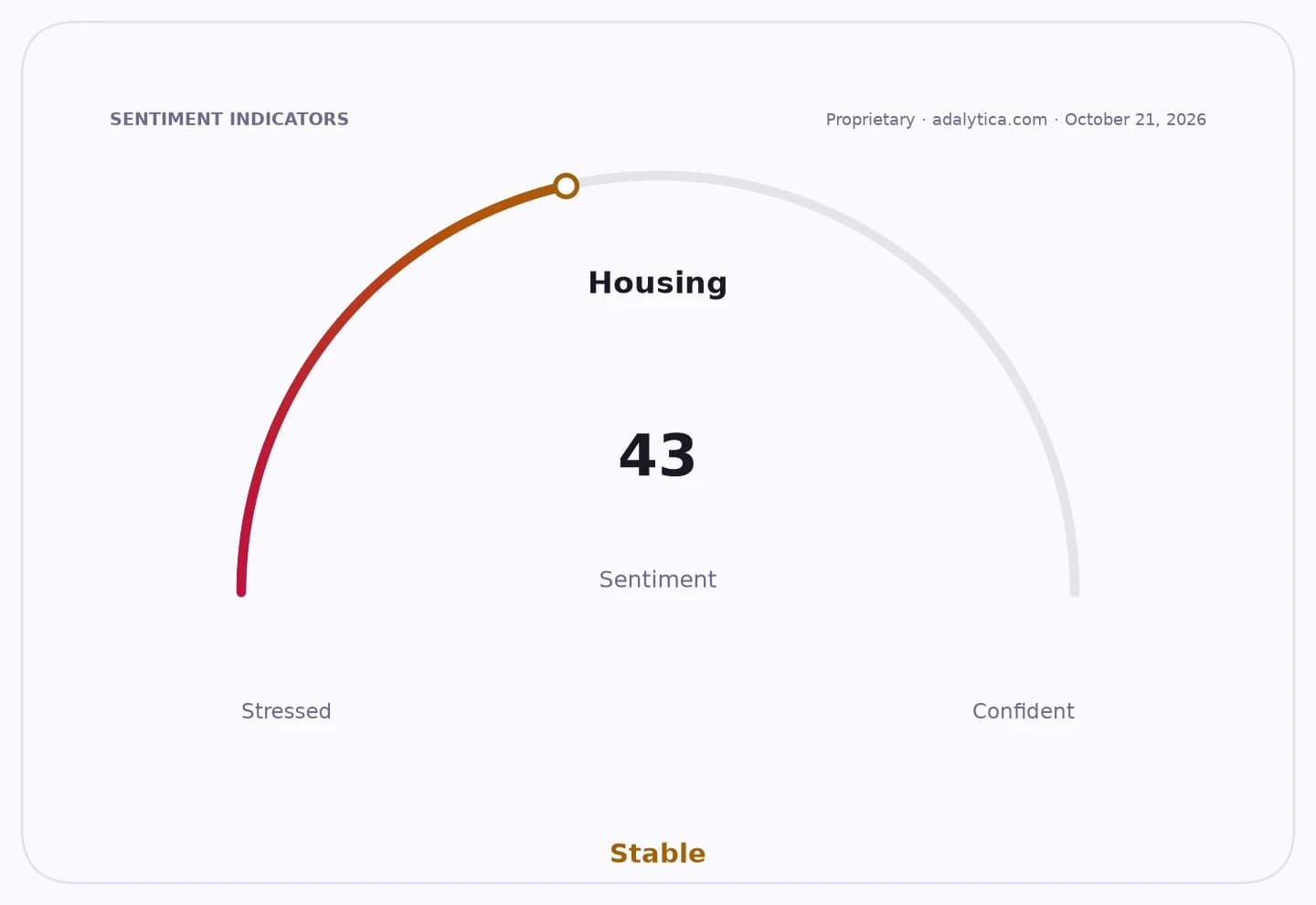
Sentiment IndicatorsⓘProprietary · adalytica.com · October 23, 2026
This is a snapshot — live sentiment, awareness and momentum for 130+ markets update continuously in the dashboard.Open AlphaPulse

That combination matters because it speaks directly to the core trade-off in banking: growth versus resilience. M&T is signaling that it would rather preserve returns across the cycle than stretch for volume in riskier loan segments. In a period when large banks and regionals alike are competing for commercial real estate and business lending, that discipline can help support credit quality, lower funding costs and protect shareholder value if the macro backdrop weakens.
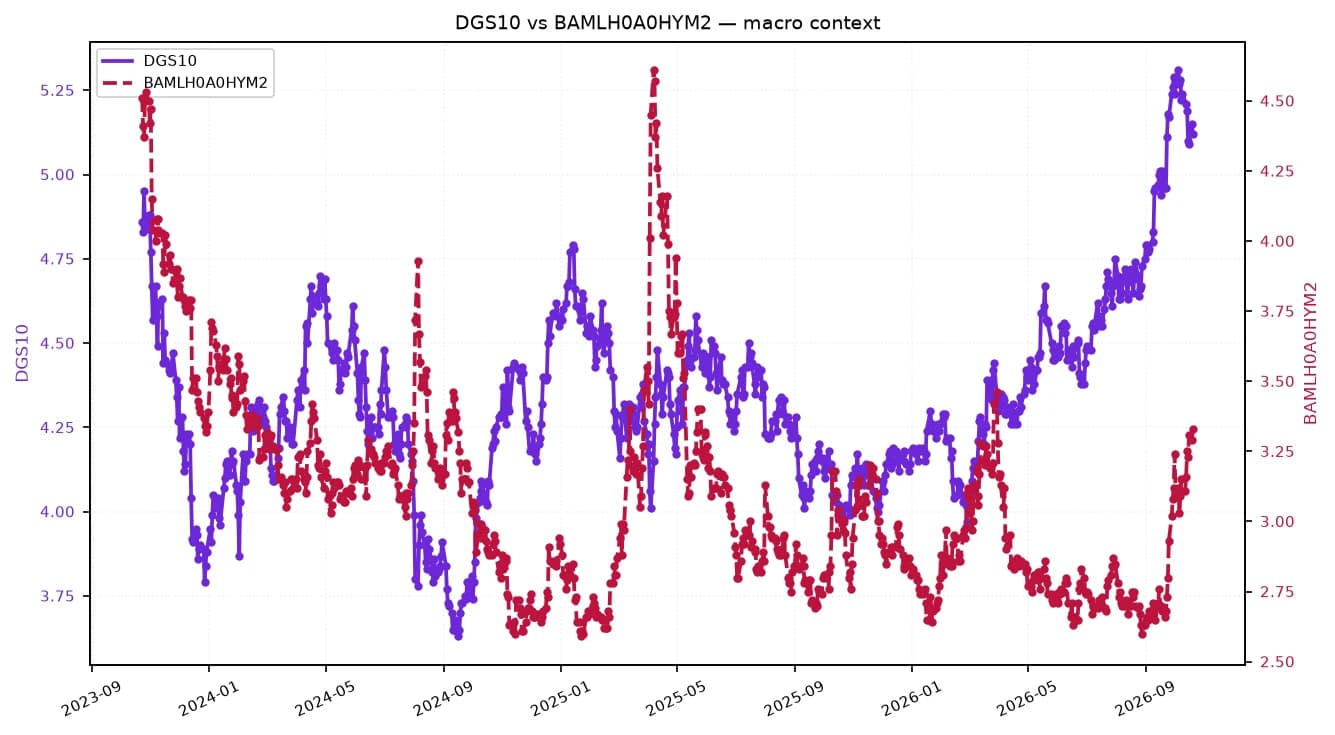
The timing is important. The 10-year Treasury yield has hovered around 5%, keeping funding conditions relatively tight, while unemployment remains near 4.1%, a level that still supports loan demand but leaves little room for complacency. For banks, the environment rewards institutions that can reprice assets higher without paying up aggressively for deposits. M&T’s management said it is optimistic on net interest income and net interest margin, reflecting both deposit-led funding and repricing across fixed-rate loans and the investment portfolio.

The securities transfer is also a defensive move against regulation rather than a sign of distress. By shifting assets to held-to-maturity, M&T reduces the sensitivity of regulatory capital to accumulated other comprehensive income, which can swing sharply when rates move. If proposed rules eventually force banks to count more of those unrealized losses against capital, the move would leave M&T better insulated than peers that kept larger AFS books.
The bank’s insistence on maintaining loan structure is the other key tell. Management said it would not sacrifice covenants or protections to win business, even as competitive pressure persists in commercial real estate and corporate lending. That could limit near-term loan growth, but it reduces the chance of future credit costs, which is what ultimately drives long-term return on equity.
For investors, the bull case is straightforward: stable deposit growth, disciplined underwriting and a cleaner capital profile can produce durable earnings through the cycle, even if headline loan expansion looks slower than rivals’. The bear case is that M&T’s caution could leave it giving up share in faster-growing pockets of lending, particularly if competitors continue to price aggressively and maintain looser terms.
M&T’s latest quarter suggests the bank is willing to accept that trade-off. If deposit growth continues and regulators stay focused on capital resilience, the strategy should keep supporting earnings quality and valuation relative to more aggressive lenders.
| Entity | Gains | Losses |
|---|---|---|
| M&T Bank | ▲Stronger capital resilience | ▼Faster loan growth |
| Long-term shareholders | ▲More durable returns | ▼Near-term volume upside |
| Competitors chasing growth | ▲Short-term lending share | ▼Credit quality discipline |
| Depositors | ▲Stable funding base | ▼Higher deposit pricing pressure |