Do you have a mortgage? If rates rise again, the next move may hit borrowers faster than they have in recent months.
Mortgage rates may rise faster if policy hikes resume
That is the key warning from a macro analyst who says banks have already squeezed mortgage margins for four straight months, leaving less room to absorb higher funding costs if the policy rate turns up again. In plain English: the period of easy relief for homeowners may be ending just as interest rates start to climb.
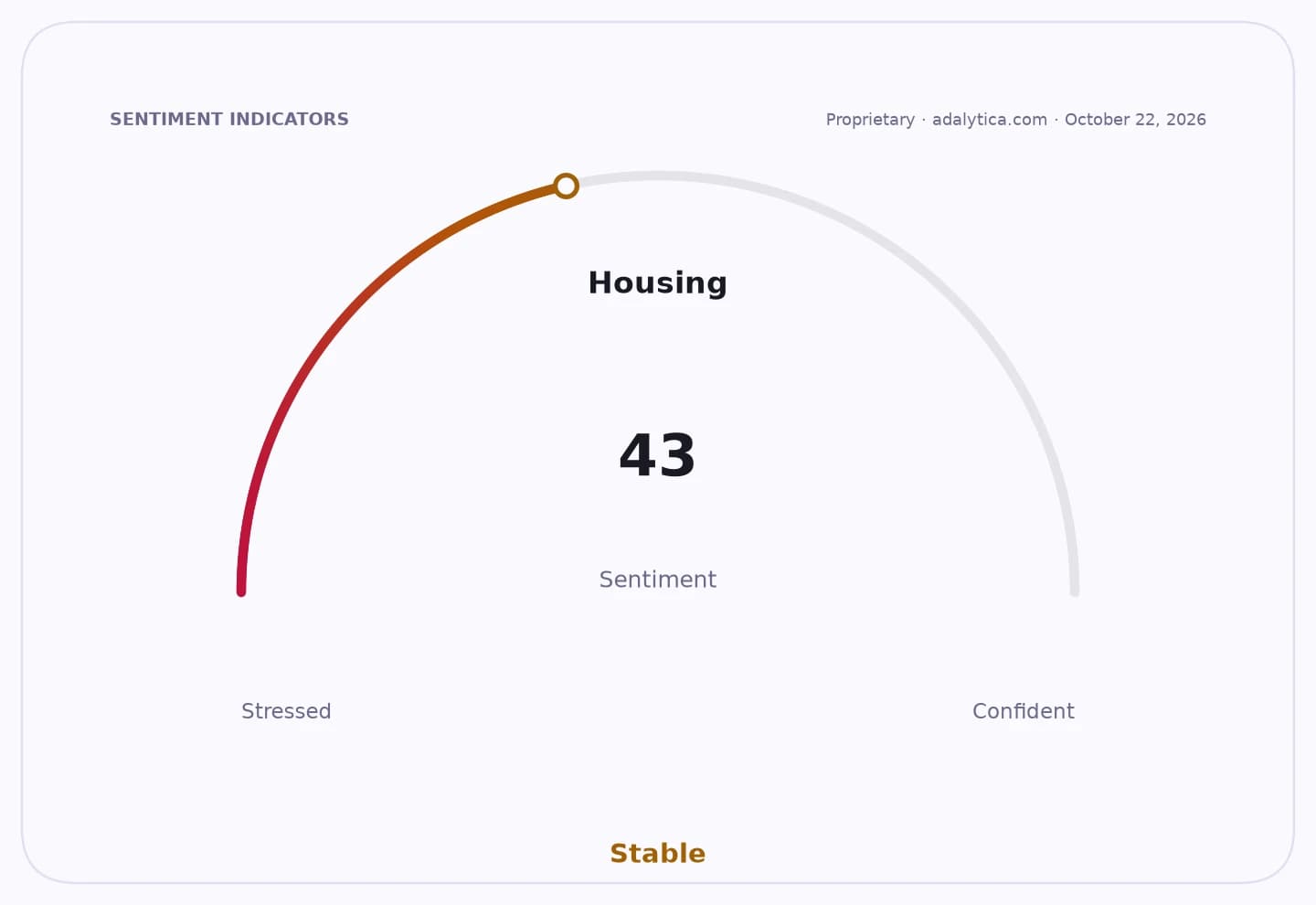
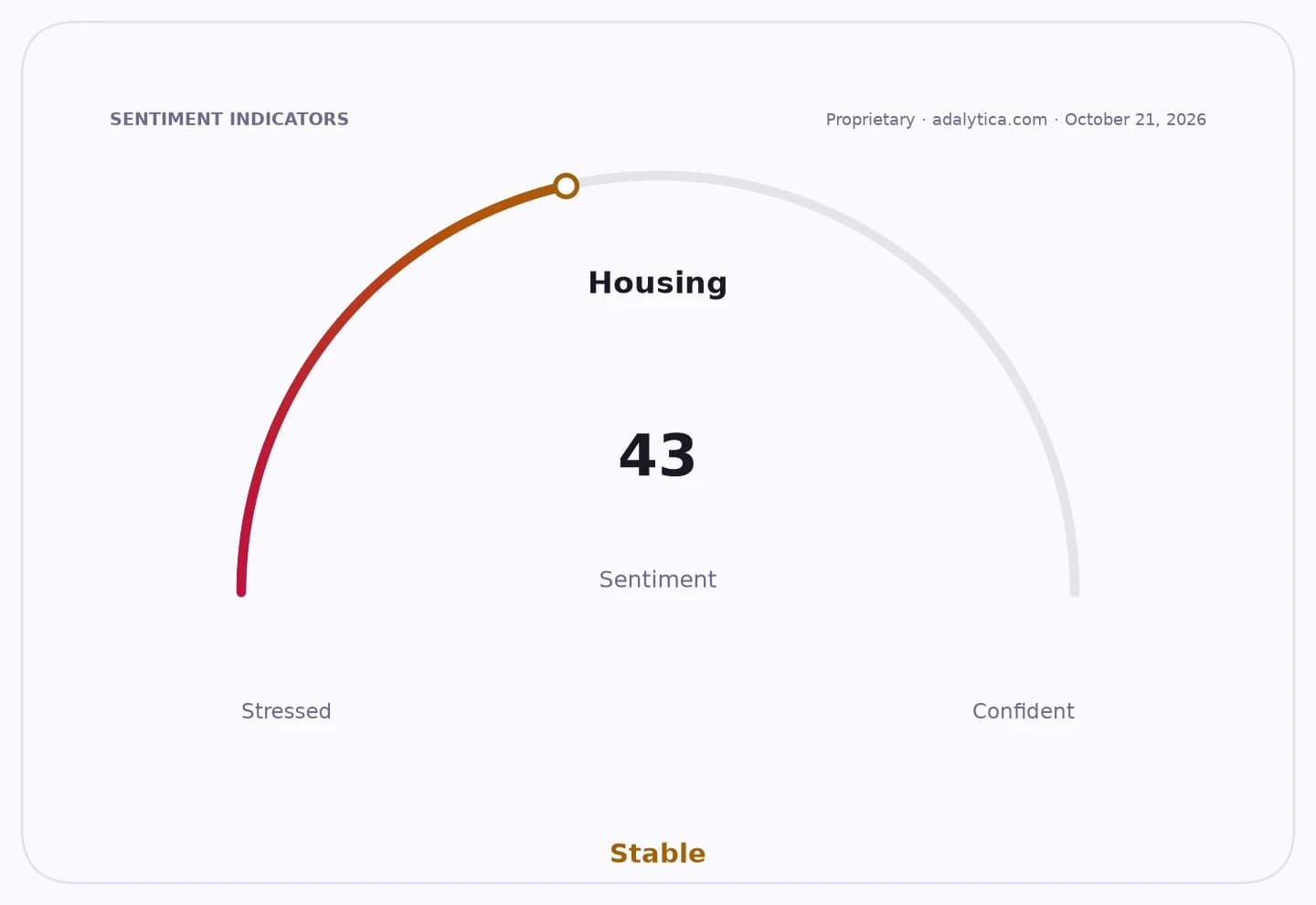
Sentiment IndicatorsⓘProprietary · adalytica.com · October 21, 2026
This is a snapshot — live sentiment, awareness and momentum for 130+ markets update continuously in the dashboard.Open AlphaPulse
The economic significance is straightforward. When lenders cut their margins, they can keep mortgage rates lower even if market funding costs rise. But that buffer does not last forever. Robert Sjölin Drake, a macro analyst, said banks are likely to let at least the first rate increase pass through in full, which would make the next adjustment more visible in household borrowing costs. For borrowers, that means monthly payments could rise more sharply than they did when banks still had room to absorb some of the shock.
That matters because mortgages are one of the most interest-rate-sensitive parts of the economy. If households face higher borrowing costs, they tend to rein in spending elsewhere, which can cool consumption and housing demand. It also raises the odds that the property market remains subdued even if prices do not fall outright. For investors, the question is not just whether rates rise, but who can defend their margins while they do.
The strain will not be shared evenly across lenders. Smaller banks, which rely more heavily on market funding, are more exposed if wholesale borrowing costs jump. They have less flexibility to protect customers from rate increases and may need to reprice loans more quickly. The big banks are better insulated because of their large deposit bases from households and businesses, giving them a cheaper and more stable source of funding. In a rising-rate environment, that is a genuine competitive advantage.
That setup has implications for bank stocks as well. Lenders with strong deposit franchises may be able to preserve profitability better than smaller rivals, even if mortgage competition remains intense. Borrowers, meanwhile, may find it harder to shop their way into meaningfully lower rates if the industry is passing on higher funding costs.
Price action in mortgage-related names also reflects a market that is already bracing for volatility. Rocket Companies, which operates in U.S. mortgage lending, has fallen to about $11.32 from $14.63 in late August, while PennyMac Financial Services has slipped to about $59.91 from $82.29 over the same period. Both stocks remain well below their 200-day moving averages, a sign that investors are still wary about the sector’s earnings outlook even before the next rate move fully arrives.
For long-term investors, the lesson is less about timing the next payment reset and more about understanding which financial companies have durable funding advantages. If rates rise again, borrowers will feel it first, smaller lenders may feel it hardest, and the strongest banks could widen their lead. That makes this worth watching closely, especially if you own bank stocks or expect to refinance in the years ahead.
| Entity | Gains | Losses |
|---|---|---|
| Big banks | ▲Cheaper deposit funding | ▼Limited mortgage margin expansion |
| Smaller banks | ▲— | ▼Higher funding costs |
| Mortgage borrowers | ▲Short-term low rates linger | ▼Faster pass-through of hikes |
| Bank investors | ▲Strong deposit franchises | ▼Margin pressure for lenders |