Borrowing is emerging as a fault line in policy and markets, with investors rewarding debt used for productive investment while punishing leverage that merely postpones pain.
Debt quality matters as rates stay high
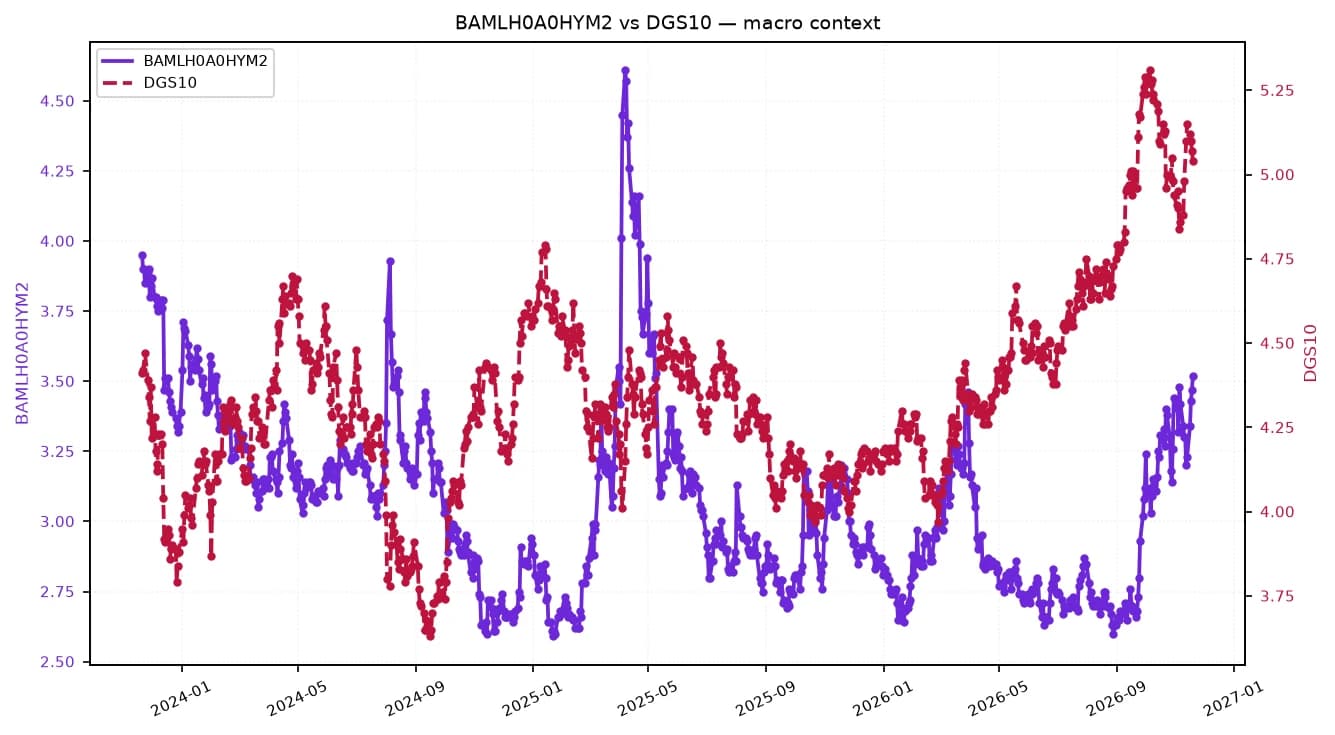
That divide runs through the November 21 letters to the editor, which echo a broader economic argument around Mark Carney’s shift toward treating government debt as borrowed capital for long-term capacity rather than day-to-day consumption. The distinction matters because the cost of debt is no longer abstract: the U.S. 10-year Treasury is trading around 5.0%, the federal funds rate is near 3.9%, and corporate credit spreads remain sensitive to any sign that higher rates will persist. In that environment, the market is far more forgiving of borrowing tied to future cash flow than of debt that adds to refinancing risk without improving growth.
Sentiment Indicators
The point is especially relevant as bad debt is rising in parts of the banking system. Data on 28 listed banks show non-performing loans surged nearly 27% in the first nine months of 2026, more than twice the pace of loan growth. That is a warning that not all leverage is equal in practice either: when credit expands faster than recovery mechanisms and debt-servicing capacity, it eventually shows up in asset quality, tighter lending standards and weaker financial stability. For policymakers, that raises the stakes for any fiscal or industrial strategy that depends on debt, because the return on each borrowed dollar becomes central to sustainability.
Markets are already drawing the distinction. The iShares iBoxx $ High Yield Corporate Bond ETF, or JNK, has slipped to 91.54 from recent highs and sits below its 50-day moving average, with RSI readings back in the high-30s, a sign of waning momentum. The investment-grade ETF LQD is firmer near 103.69, but still below its longer-term average, suggesting investors prefer higher-quality balance sheets when borrowing costs are elevated. That caution is mirrored in broader risk appetite: Adalytica’s S&P 500 trade-signal snapshot shows “Extreme Fear” even as awareness remains elevated, while U.S. dollar trade signals point to a sharp swing in positioning. Treasury sentiment is more constructive, reflecting demand for duration when growth and credit risks dominate.
For governments, companies and households alike, the narrative is the same: debt is becoming less about size and more about purpose. The bullish case is that well-targeted borrowing can fund infrastructure, productivity and business expansion, improving future income enough to service the liability. The bearish case is that in a high-rate environment, even good projects can be drowned by execution risk, while weak borrowers get trapped by compounding interest costs. Investors will keep rewarding capital discipline and penalizing leverage until they see that borrowed money is producing returns faster than it is accumulating stress.
| Entity | Gains | Losses |
|---|---|---|
| Productive borrowers | ▲Lower refinancing risk | ▼None if returns exceed costs |
| Speculative borrowers | ▲Easy access to capital | ▼Higher funding costs |
| Government capital spending | ▲Long-term growth support | ▼Current budget flexibility |
| Credit investors | ▲Better borrower selection | ▼Broad-based default risk |