Coal miners in three mines in Bosnia and Herzegovina have stopped work and are threatening mass protests, a sign that a payment and health-care dispute is turning into a broader labor showdown in a sector already struggling with chronic financial stress.
Bosnia coal miners halt work over unpaid wages
The immediate issue is simple and economically damaging: workers at the Breza mine halted production from the second shift after failing to receive August wages and being unable to have medical cards validated, while the Kakanj and Abid Lolić Bila mines also stopped work without pay. When miners walk off the job, the impact is not just local. Coal output is disrupted, power-supply planning becomes harder, and the burden shifts to already fragile public finances and utilities that depend on the mines.
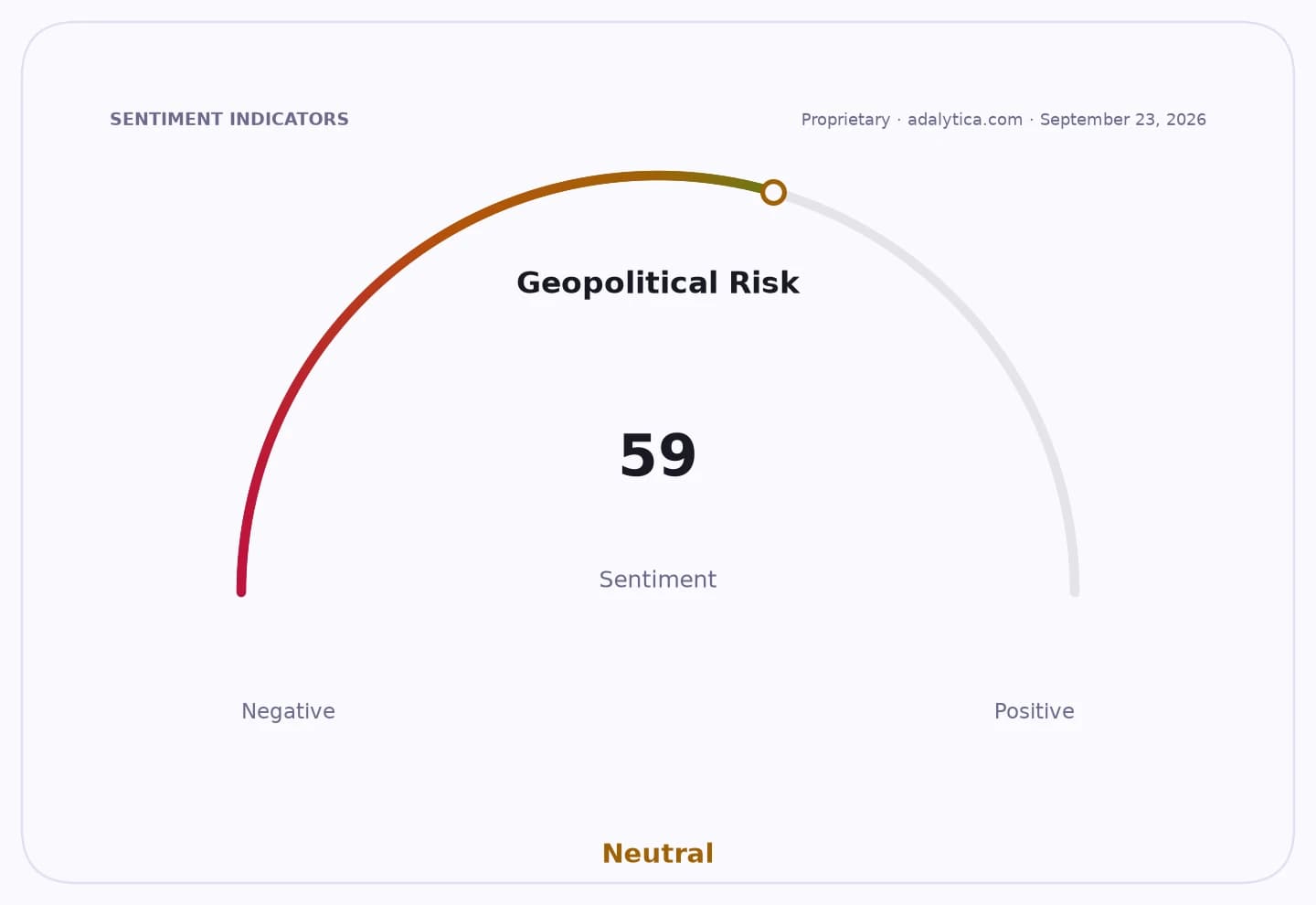
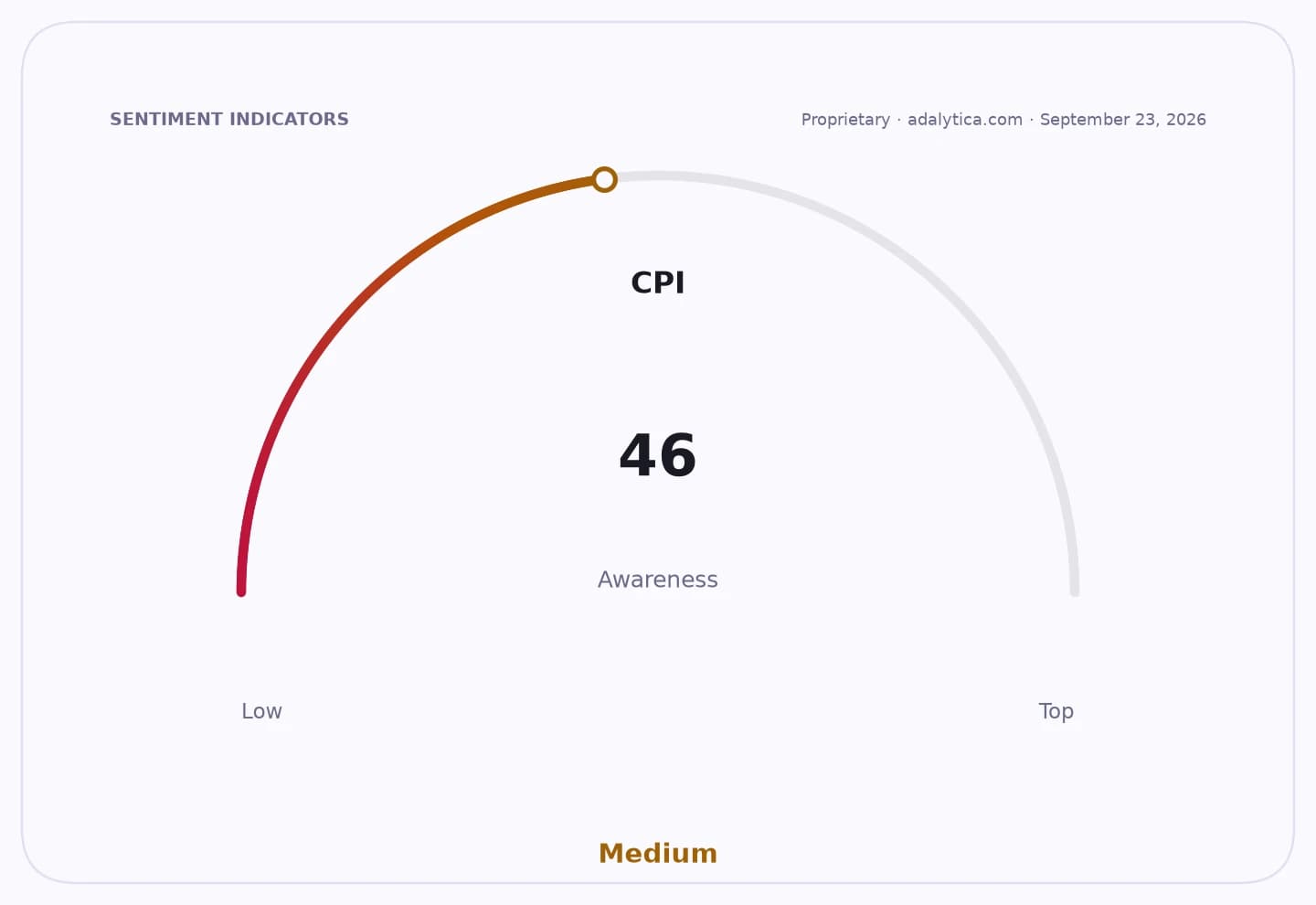
Sentiment IndicatorsⓘProprietary · adalytica.com · September 19, 2026
This is a snapshot — live sentiment, awareness and momentum for 130+ markets update continuously in the dashboard.Open AlphaPulse
Jasmin Telalović, head of the Breza miners’ union, said Kakanj workers had been paid but still could not access medical treatment for themselves and their families because their health cards could not be certified. He added that miners in Zenica are waiting for three salaries and warned that mass protests would follow if a solution is not found quickly. That raises the stakes beyond a routine wage dispute: it becomes a test of whether authorities and mine managers can keep essential energy infrastructure functioning without repeated labor disruptions.
For investors, this matters because labor unrest in coal is often a margin problem before it becomes a balance-sheet problem. A mine that cannot pay workers and maintain health coverage is usually facing deeper cash-flow pressure, weak operating discipline or both. Even where coal demand remains structurally important, production interruptions can squeeze suppliers, unsettle power generators and reinforce the market’s long-running skepticism about the reliability of coal assets in politically sensitive regions.
The backdrop is also unhelpful. Global coal markets have been volatile, with energy security concerns and geopolitical risk keeping coal relevant even as the transition away from fossil fuels continues. That combination can temporarily support prices, but it does not solve the underlying economics of mines that are unable to meet payroll. In other words, coal may still be needed, but not every producer can survive the strain.
The bigger question now is whether the stoppages remain confined to these three mines or spread to other operations. If pay arrears and health-insurance failures persist, the protests could widen, turning a labor dispute into a supply and policy problem for Bosnia’s energy system. For long-term investors, the lesson is the same as ever in coal: cash generation and operational reliability matter more than headline demand. This is a sector worth watching closely, but caution remains the right posture.
| Entity | Gains | Losses |
|---|---|---|
| Miners | ▲pressure for unpaid wages | ▼lost income and health access |
| Mine operators | ▲little immediate gain | ▼halted output and credibility damage |
| Power utilities | ▲possible leverage in negotiations | ▼tighter coal supply and planning risk |
| Coal investors | ▲potential pricing support from scarcity | ▼greater operating and political risk |