Brazil’s economy expanded 0.5% in the second quarter, with agribusiness doing most of the heavy lifting and reinforcing the sector’s role as the main engine behind growth in Bahia and across the country.
Brazil GDP Rises 0.5% on Agribusiness Growth
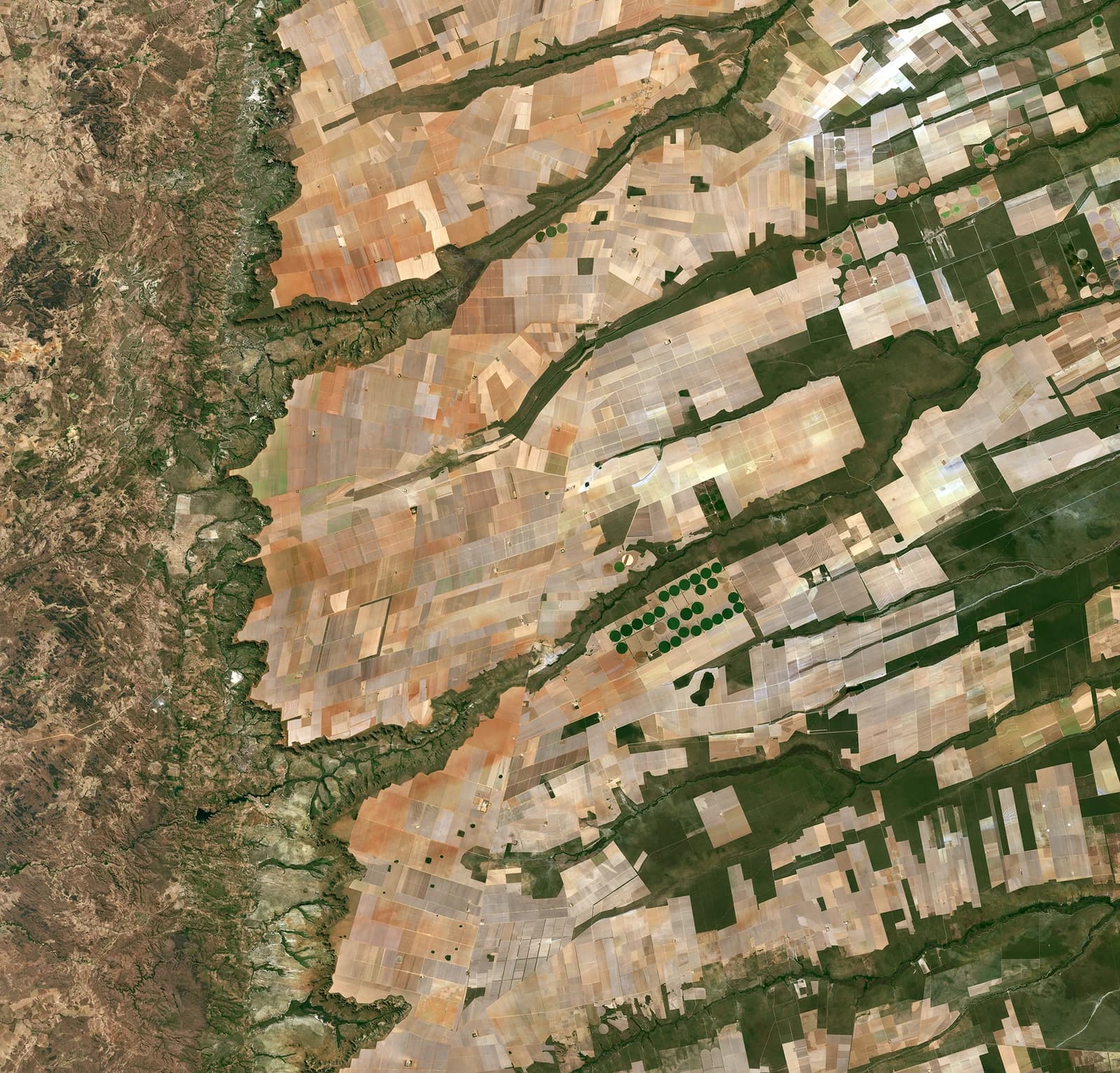
The GDP increase was modest, but it came on top of a 2.8% jump in agribusiness output, a sector that grew 6.8% from a year earlier. That matters because agriculture remains one of Brazil’s most important sources of export earnings, jobs and tax revenue, especially in food-producing states such as Bahia, where crop activity ripples through transport, logistics and rural spending.
Brazil’s performance also stood out internationally, ranking fifth among 50 countries for GDP growth in the quarter. For investors, that signals an economy that is still expanding despite weaker global conditions, with farm output helping offset pressure from tighter monetary policy and uneven domestic demand.
The numbers also strengthen the case for companies tied to land, crops, fertilizer, ports and agricultural logistics, while supporting state and federal finances through stronger commodity activity. At the same time, the government’s pledge to keep controlling mandatory spending shows policymakers still see fiscal discipline as essential to sustaining growth and keeping borrowing costs in check.
The outlook now hinges on whether Brazil can keep the farm-led expansion going into the next quarters without relying too heavily on one sector. Any slowdown in crop volumes, weather disruptions or a loosening of fiscal policy would quickly test the resilience behind the headline GDP figure.
| Entity | Gains | Losses |
|---|---|---|
| Agribusiness producers | ▲Higher output and revenue | ▼Margin pressure if costs rise |
| Brazil economy | ▲Faster GDP growth | ▼Still dependent on farm sector |
| Bahia regional economy | ▲Spillover from crop activity | ▼Exposure to weather and commodity swings |
| Fiscal conservatives | ▲Support for spending control | ▼Less room for budget expansion |