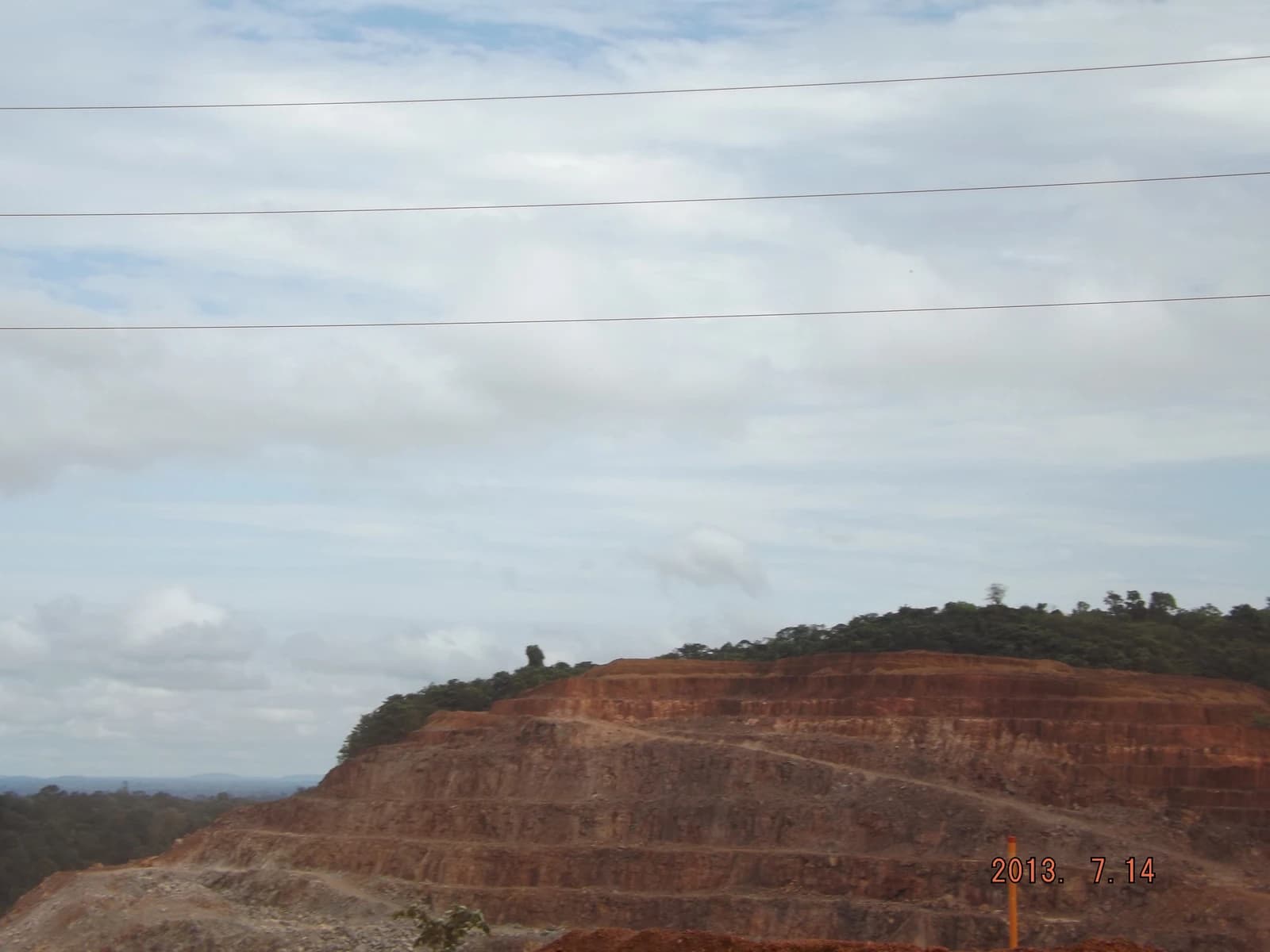
Brazil’s government says its campaign against illegal mining in the Amazon is starting to turn the tide on land grabs, environmental damage and public health risks in indigenous territories, a policy shift that matters far beyond human rights because it directly affects forest preservation, commodity supply chains and investor exposure to Brazil’s ESG and mining risks.
Brazil Cracks Down on Illegal Mining in Amazon
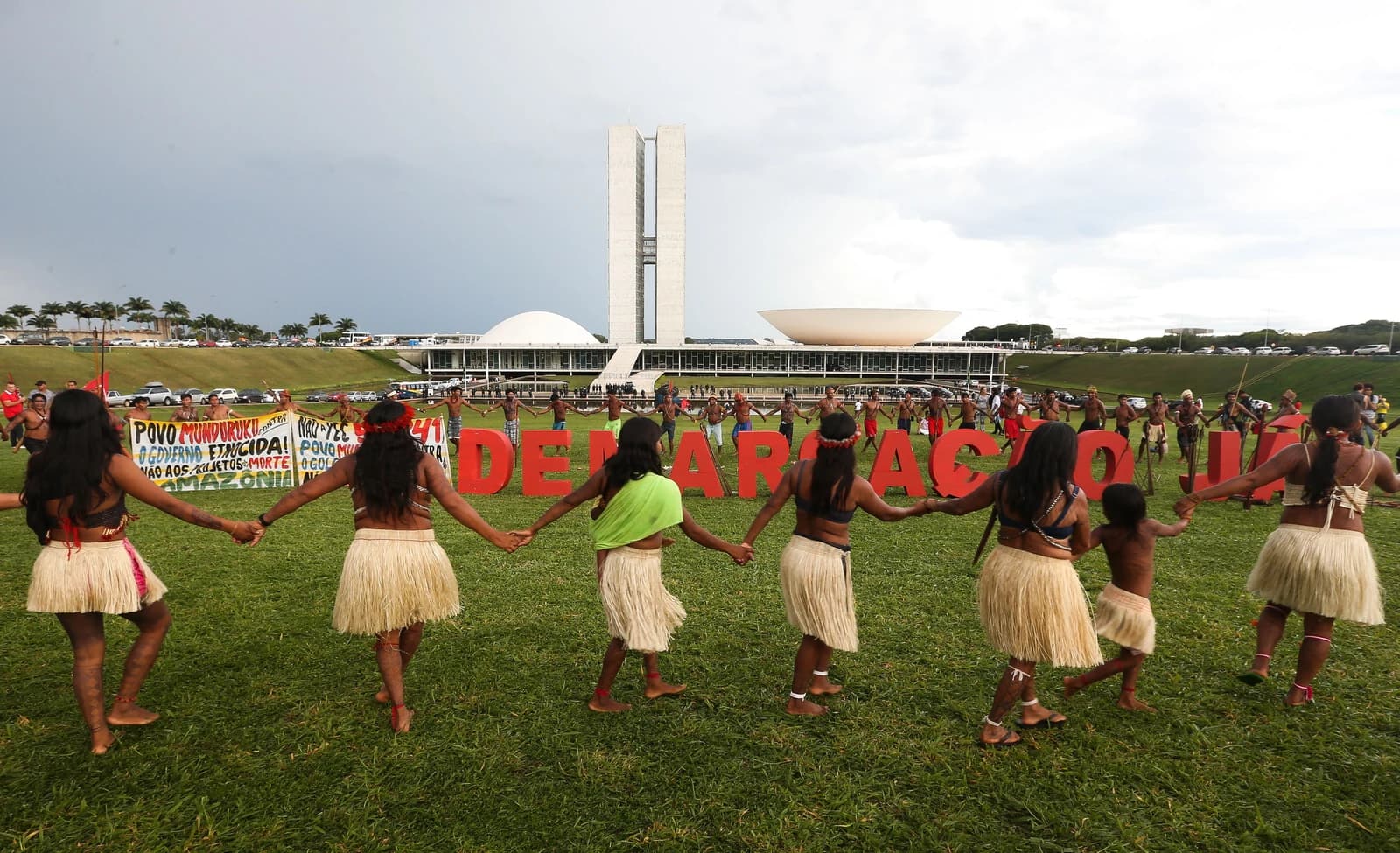
Indigenous Peoples Minister Sônia Guajajara Terena said federal operations in the Yanomami territory have reduced the presence of invaders, helped vegetation begin to recover and improved water quality versus 2023. She also said no malaria deaths were recorded in the first half of 2026 in the territory, after the government expanded medical services, reopened health posts and added staff.
Sentiment Indicators
The most important message for markets is that Brasilia is treating indigenous protection as an enforcement regime, not a symbolic pledge. The ministry said operations have expanded into Munduruku, Kayapó and Sararé after criminal groups shifted to new areas, and it is now coordinating with the Justice and Public Security Ministry on a permanent national strategy. That implies a longer, more disciplined crackdown on illicit mining, logging and land invasion in the Amazon, sectors that thrive when state presence is fragmented.
For investors, that is a double-edged but ultimately constructive development. Better enforcement reduces reputational and operational risk for Brazilian assets exposed to deforestation-linked controversy, while also tightening the noose around informal operators that have profited from weak oversight. It can support the longer-term case for Brazilian equities tied to legal land use, sustainable agriculture and regulated mining, even as it raises compliance costs for illicit actors and their local networks.
The government is also signaling that it wants to prevent the problem from simply migrating. By widening operations beyond Yanomami, Brasilia is acknowledging that pressure on one territory often displaces criminal activity to another. That matters for the investment case because it means the policy response is becoming structural rather than episodic — a key distinction for any market pricing Brazil’s environmental governance premium.
Protection of isolated peoples remains central to that strategy. Authorities said there are 114 registered indigenous groups in isolation in Brazil and reiterated the principle of no forced contact, citing the epidemiological vulnerability of communities such as the Awá in Maranhão. That position helps reduce the risk of humanitarian crises and legal blowback, while reinforcing Brazil’s broader commitment to preserving forest frontier areas that remain under intense economic pressure.
The investable takeaway is that Brazil’s indigenous policy is increasingly inseparable from its macro story on land use, enforcement and ESG credibility. The market underestimates how much value sits behind a cleaner Amazon governance framework: less illegal mining, less deforestation, lower social conflict and a more defensible investment case for companies operating near sensitive territories. For long-term investors, the winners are the regulated operators and formal landholders; the losers are illegal miners, land grabbers and any business model that depends on regulatory vacuum.
| Entity | Gains | Losses |
|---|---|---|
| Brazilian government | ▲ESG credibility | ▼Short-term enforcement costs |
| Indigenous communities | ▲Health and land protection | ▼Forced-contact risk |
| Legal miners and landholders | ▲Clearer rules | ▼Less room for illicit competition |
| Illegal miners and land grabbers | ▲— | ▼Expanded crackdowns |