Brazil’s Amazon is heading into a far more fragile political phase, and that matters because the rainforest is not just an environmental symbol — it is a global climate asset, a trade issue and a test of whether Brazil can grow without burning through one of its biggest natural advantages.
Brazil Amazon Policy Risk Rises Under Bolsonaro
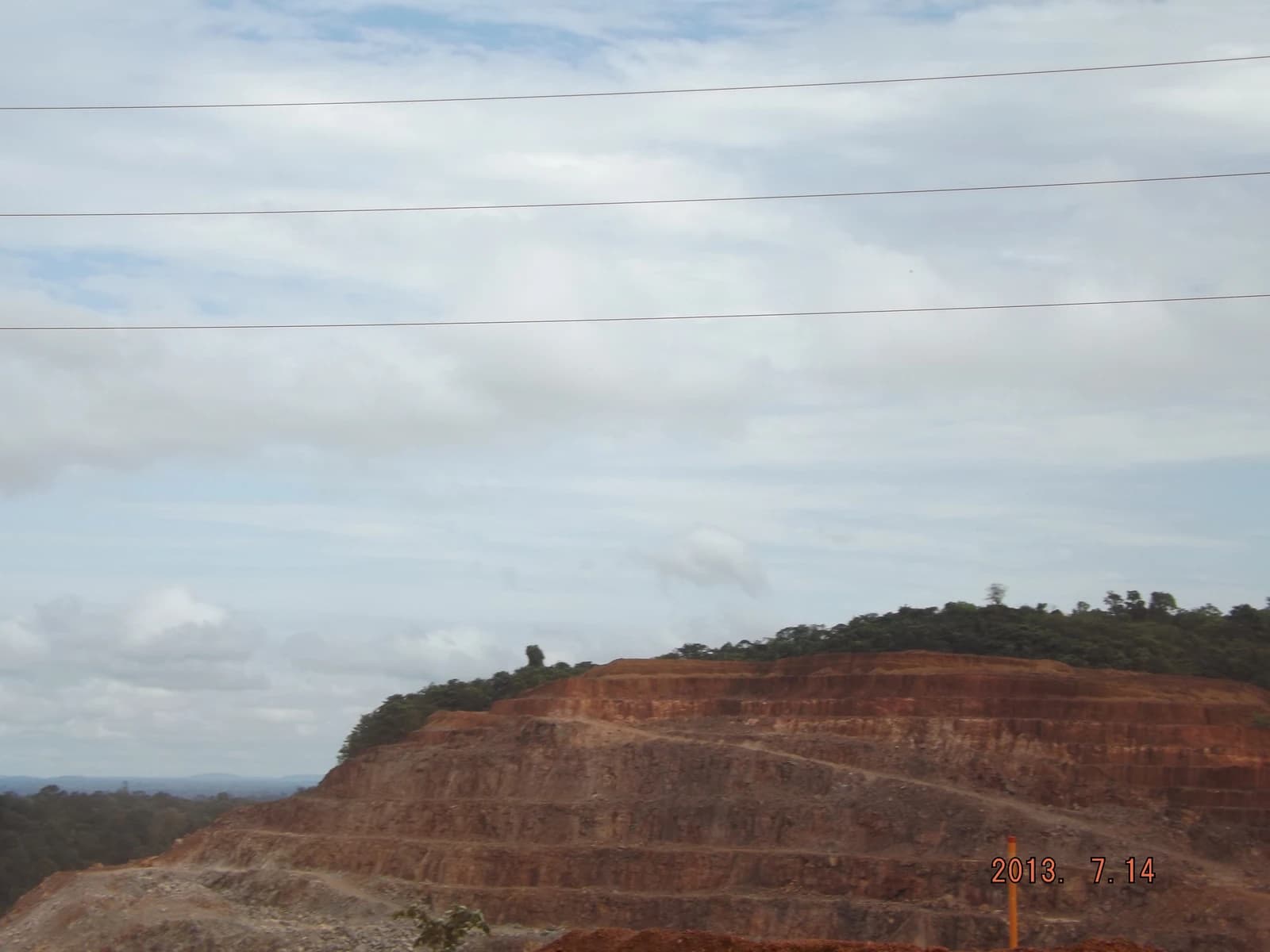
If Flávio Bolsonaro wins Brazil’s presidency, markets and environmental groups expect a sharper tilt toward agribusiness, mining and looser permitting in the Amazon. That would raise the risk of higher deforestation after President Lula drove clearing to its lowest level since record-keeping began in 1988, according to Brazil’s INPE institute. For long-term investors, the stakes go well beyond tree cover: weaker protections could affect Brazil’s access to premium export markets, international climate funding and the country’s long-run reputation as a supplier of food, minerals and energy.
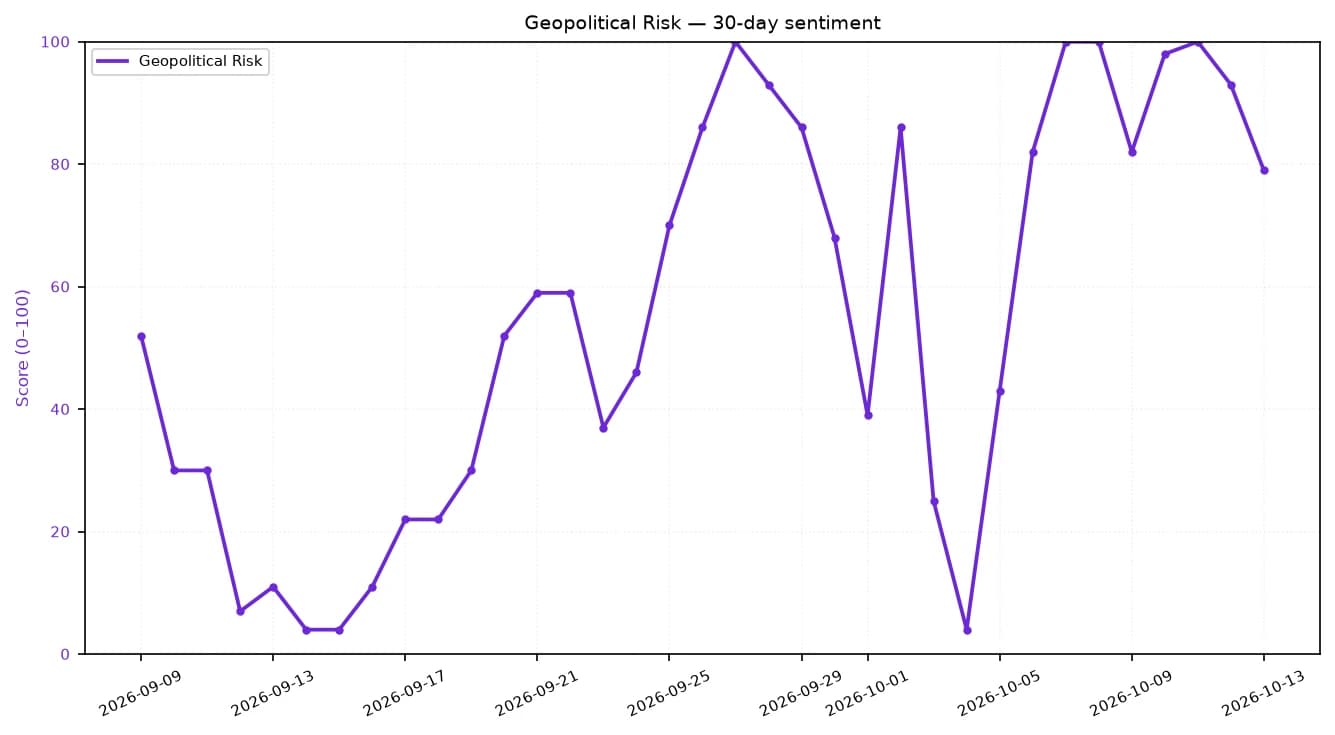
Sentiment Indicators
The central economic story is simple. Brazil’s Amazon is a giant store of carbon and a major piece of the country’s export engine, but it is also close to a tipping point. Scientists and campaigners warn that continued logging, fires and climate stress could push large areas toward savannah-like conditions, which would damage rainfall patterns, agricultural output and the ecosystem services that support the broader economy. This year’s El Niño adds another layer of danger by increasing drought and fire risk.
That is why Bolsonaro’s promises to “modernize” environmental laws and speed permits for farmers, ranchers and miners matter so much. Even if he talks about ending illegal deforestation by 2029, the bigger question for investors is whether legal clearing would rise under weaker rules and weaker enforcement. Lula’s government has already shown how policy can move the needle: deforestation fell 42% year over year, a dramatic reversal from the high point reached under Jair Bolsonaro, Flávio’s father, when clearing hit a 15-year peak in 2021.
Geopolitical Risk vs EWZadalytica.com
Explore this data interactively — full history, time series and cross-market comparisons.
The market angle is bigger than the rainforest itself. Brazil-listed assets tied to the country’s political risk have already shown how sensitive investors are to the election. The EWZ exchange-traded fund, which tracks Brazilian equities, has fallen to $32.46 from $42.59 in late October, while technical indicators such as the 50-day and 200-day moving averages still leave room for further volatility. The Brazilian real, meanwhile, has been trading around 5.38 per dollar, and the move in sentiment around global stability points to a market that is still highly alert to policy shocks in major commodity exporters. For investors, that means Brazil remains both an opportunity and a governance test.
Agribusiness and mining groups would likely welcome a friendlier regulatory climate. But there is a catch. European and other strict-market buyers are increasingly demanding proof that soy, beef, coffee and cocoa are not linked to recent deforestation. The EU’s anti-deforestation law, if enforced as planned, could become a powerful brake on any Brazilian rollback by limiting access to premium customers. That is especially important because Brazilian exporters need those markets, and because lower environmental standards can quickly translate into higher financing costs, litigation risk and weaker investor appetite.
The politics also extend beyond the presidency. Bolsonaro allies won ground in parliament, and at least 23 of those elected have previously been fined for Amazon violations, according to environmental reporting cited in the source material. That means the Amazon could face weaker protections even if Flávio Bolsonaro falls short in the runoff. In other words, investors should think less in terms of one election result and more in terms of a durable policy shift.
For long-term portfolios, the lesson is not to bet on a single headline. It is to watch whether Brazil preserves its access to global capital and export markets by protecting a strategic natural asset. If it does not, the winners may be narrow and short-lived, while the losers include the climate, Brazilian institutional credibility and eventually the broader economy. For now, the Amazon remains one of the clearest examples of how politics, trade and long-term investing are becoming impossible to separate.
| Entity | Gains | Losses |
|---|---|---|
| Agribusiness, ranchers, miners | ▲Easier permits, looser rules | ▼Tighter oversight, slower approvals |
| Bolsonaro allies in parliament | ▲More policy leverage | ▼Lula-style enforcement |
| EU buyers and climate-focused investors | ▲Clearer traceability standards | ▼Exposure to deforestation risk |
| Amazon rainforest and indigenous communities | ▲Stricter protection under Lula | ▼Weaker safeguards under Bolsonaro |