Brazil-linked assets were jolted by a fresh confrontation over the Amazon, with investors forced to weigh whether the country’s environmental policy trajectory will continue to support growth, trade access and capital inflows or swing back toward deforestation-heavy politics under the Bolsonaro camp.
Brazil ETF EWZ Falls on Amazon Policy Risk
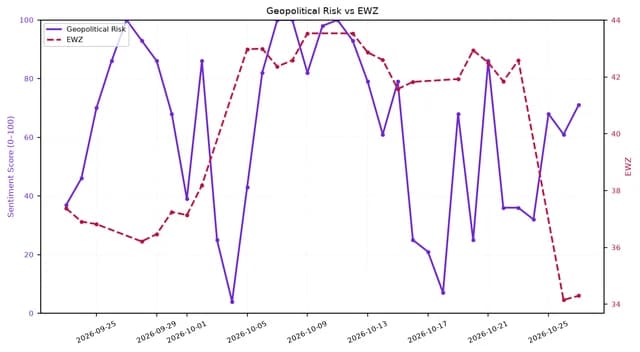
The market move was especially stark in Brazilian equities and country-linked exposure. The iShares MSCI Brazil ETF, EWZ, closed at $34.30 on Oct. 27 after plunging 19.7% from $42.59 on Oct. 23, while volume surged to 90.8 million shares from 82.95 million the prior session and 299.0 million on Oct. 26, a sign of forced repositioning rather than a quiet repricing. The ETF is now well below its 50-day moving average of about $38.47 and its 200-day average of about $37.01, with the relative strength index at 22.9, a level that typically indicates deeply oversold conditions. That matters because Brazil remains one of the market’s most direct vehicles for trading the country’s political and environmental direction.
Sentiment Indicators
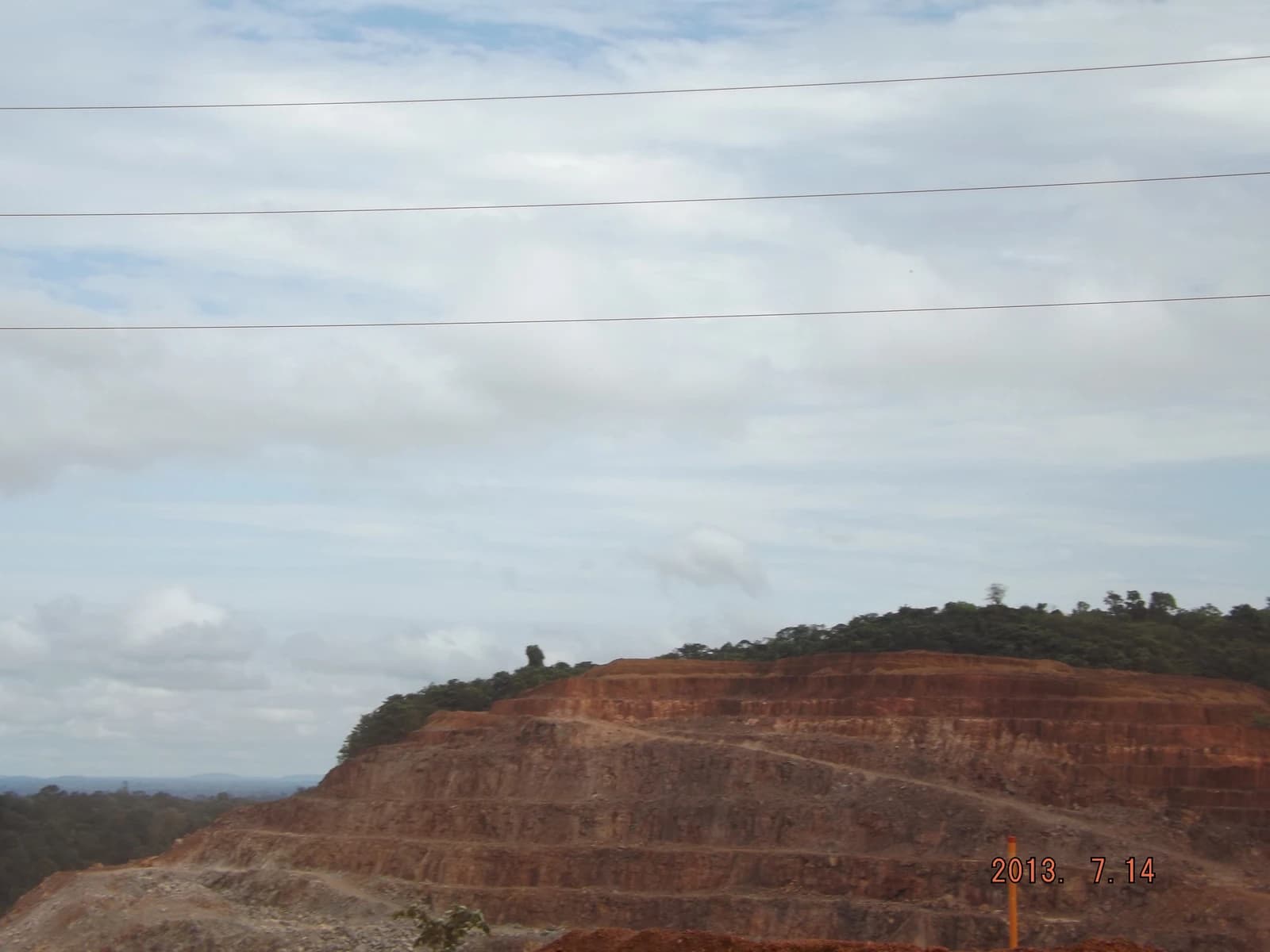
The underlying narrative is not just a domestic election contest. It is a fight over whether Brazil continues to benefit from the global shift toward lower deforestation and sustainable commodity production, or whether it reverts to a model in which ranching, logging, mining and land seizures regain political cover. George Monbiot’s argument that authoritarian politics can turn ecological destruction into a weapon resonates economically because the Amazon is not merely a moral issue; it is central to Brazil’s standing with foreign investors, agribusiness customers, ESG-oriented funds and trading partners. The country’s recent record offered a different path: deforestation in the Brazilian Amazon had fallen by 71% over four years, and the area cleared annually was about one-sixth of the level seen when records began in 1988. That progress underpinned hopes that Brazil could reach zero deforestation by 2030.
Those gains are now at risk if the Bolsonaro bloc regains power. Jair Bolsonaro’s prior presidency saw deforestation rise by 59% and intensified pressure on Indigenous communities, regulators and forest defenders. For investors, the distinction is not ideological. It affects export markets, financing costs and the durability of Brazil’s growth model. A return to aggressive land clearing could complicate access to climate-sensitive capital, raise reputational risk for commodity producers and sharpen friction with Europe and other buyers that are tightening sustainability standards. It could also reintroduce policy volatility into sectors tied to beef, soy, timber, mining and infrastructure.

The price action in Brazil’s broader market suggests investors are not waiting for the long term to resolve itself. Petrobras preferred shares, PBR, dropped to $22.30 on Oct. 27 from $26.16 on Oct. 23, while BRF shares fell to $14.17 from $20.19 over the same stretch. The moves were accompanied by heavy turnover, especially in Petrobras, where volume jumped to 102.6 million shares on Oct. 26. BRF’s slide pushed it further below its 50-day average of $17.21, and its RSI fell to 28.2, another sign of stress. While these are not pure Amazon proxies, they are among the most liquid ways global investors express macro views on Brazil, commodity policy and political risk.
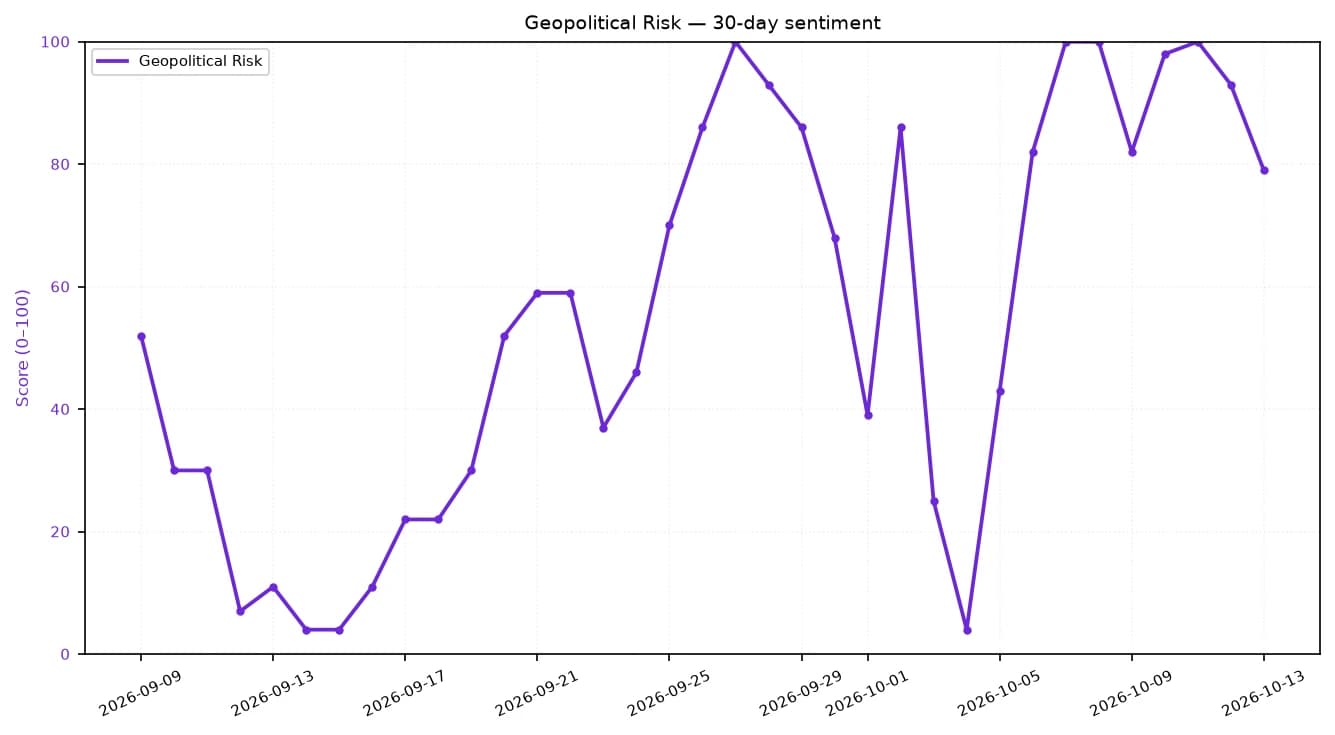
The broader market backdrop also helps explain the sensitivity. Adalytica’s Global Stability Sentiment gauge remains in “Greed” at 71, but awareness is only 18 and has been extremely volatile, suggesting that investors are willing to take risk but remain vulnerable to abrupt geopolitical shocks. The US dollar signal sits in “Fear,” reflecting a softer tone in the currency backdrop even as country risk flares elsewhere. For Brazil, that mix can be dangerous: when global risk appetite is strong, investors may be tempted to ignore policy tail risks, but a sudden political shift can force a rapid unwind.
The bear case is that Bolsonaro-style politics would revive the very forces that made Brazil’s land-use story a recurring source of controversy: weaker enforcement, higher deforestation, more clashes with Indigenous groups and a lower-quality investment narrative. The bull case is that the backlash to those policies, combined with market pressure from buyers and lenders, could still restrain the most destructive impulses even if the political rhetoric hardens. Either way, investors should treat Brazil’s environmental policy as a live market variable, not a side issue. The next catalyst is whether the electorate or the institutions that govern land use and enforcement can keep the country on the path that has made it more investable over the past several years.
| Entity | Gains | Losses |
|---|---|---|
| Lula and environmental policy backers | ▲Lower deforestation risk | ▼Political momentum if Bolsonaro returns |
| Bolsonaro camp | ▲Power over land-use policy | ▼Investor confidence and climate credibility |
| Brazilian equities holders | ▲Potential policy continuity | ▼Volatility from political reversal |
| Global commodity buyers | ▲More sustainable supply chains | ▼Higher ESG and reputational risk |